
Wildlife Watch
Content CreationEdelman turned Samsung Galaxy handsets into 24/7 anti-poaching cameras in South Africa, recruiting 172,737 virtual rangers across 199 countries to watch live and alert the Black Mamba unit.
About the campaign
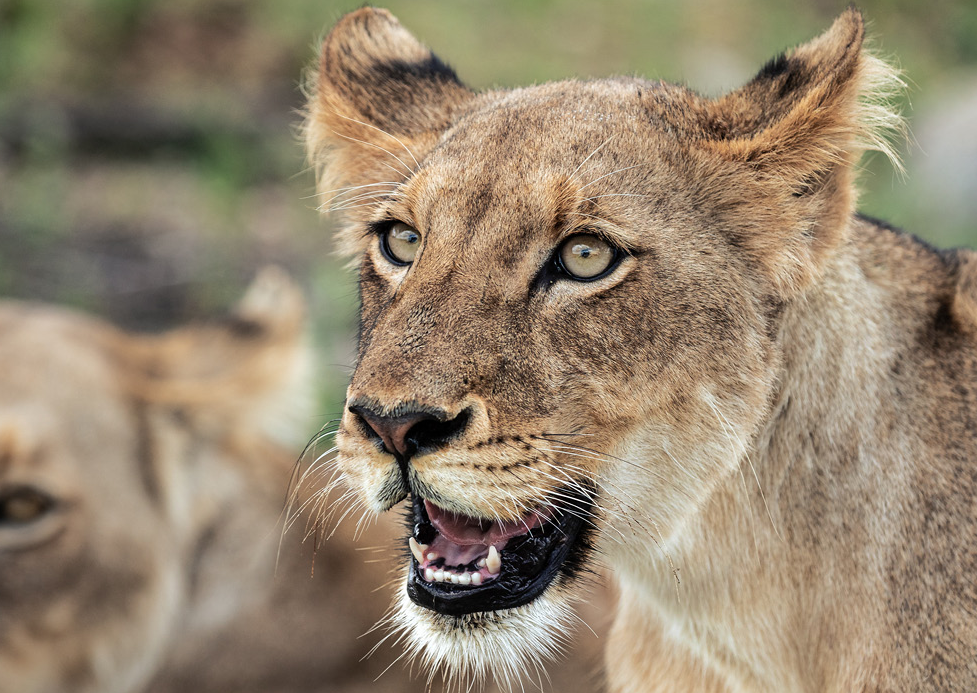
When the Covid-19 pandemic cut tourism to African safaris, it also cut wildlife surveillance, leaving animals in reserves more exposed to poaching, just as Samsung Europe needed to demonstrate its camera technology and earn attention in a commoditised smartphone market without a new product to announce. Edelman connected the two problems: rather than sponsor a cause, Samsung supplied the hardware, repurposing Galaxy S20 FE handsets as 24/7 surveillance cameras across the Balule Nature Reserve in South Africa.
Built with technology partner Africam and the all-female Black Mamba Anti-Poaching Unit, Wildlife-Watch.com launched on 3 March 2021 across more than 30 European markets, supported by a promotional film fronted by DJ Peggy Gou. The insight was behavioural: younger, sustainability-minded Europeans already spend hours passively watching content on their phones, and that habit could be redirected into a real conservation role. Anyone could become a virtual ranger, watching live feeds, alerting the Black Mambas to threats, sharing snapshots and donating.
Over the roughly two-month run, the upcycled handsets reportedly boosted Africam's infrastructure reach by 50 percent, while 172,737 virtual rangers from 199 countries watched 94,545 hours at an average of over 25 minutes per session, generating 1.9 billion media impressions and 7.7 million social engagements per Edelman's awards reporting. Samsung later relaunched the programme with the Galaxy S23 Ultra.
Case in 60 seconds
The Covid-19 pandemic cut tourism to African safaris, reducing on-the-ground wildlife surveillance and leaving animals more exposed to poaching. Samsung Europe needed to earn attention and demonstrate its phone camera technology without a new product to announce.
Samsung's target audience, younger and sustainability-conscious Europeans, already watched content on their phones and held activist instincts. That habit could be redirected into a genuine conservation role.
Repurpose Samsung Galaxy S20 FE handsets as 24/7 wildlife surveillance cameras in the Balule Nature Reserve, South Africa, and let anyone in the world become a virtual ranger by watching the live feeds and alerting the Black Mamba Anti-Poaching Unit to threats.
Edelman built Wildlife-Watch.com with technology partner Africam and the all-female Black Mamba Anti-Poaching Unit, streaming live from multiple cameras, with tools to report threats, share snapshots on social, and donate. A promotional film fronted by Peggy Gou supported launch on 3 March 2021 across 30+ European markets.
Per Edelman's Caples Awards entry, the campaign generated 1.9B+ media impressions, 172,737+ virtual rangers, 94,545 hours watched, an average watch time of 25 minutes 20 seconds, and 7.7 million social engagements across 199 countries. Samsung later cited the pilot's success when relaunching the programme with the Galaxy S23 Ultra.
Strategy Breakdown
The primary strategy-learning section — interpretation, not a press-release summary.
Creative & Execution System
Assets & channels
- Wildlife-Watch.com campaign hub (live feeds, ranger alert tools, donation route)
- Samsung.com (directing traffic to the campaign hub)
- Social media (snapshot sharing built into the experience)
- Out-of-home and digital media placements across 30+ European markets
- Promotional film featuring Peggy Gou
- Earned news and lifestyle media coverage
Partners
- Africam (local technology partner, livestream infrastructure)
- Black Mamba Anti-Poaching Unit (on-the-ground conservation partner)
- Peggy Gou (ambassador, promotional film)
Participation mechanic
- Viewers watch live feeds from multiple cameras in Balule Nature Reserve
- Viewers alert the Black Mamba Anti-Poaching Unit to animals in danger or signs of poaching
- Viewers share snapshots from the livestream on social media
- Viewers donate to the Black Mambas directly through the platform
Creator role
- Brand-produced livestream infrastructure (Edelman and Africam)
- Talent-fronted promotional film (Peggy Gou as ambassador and communicator)
Results & Evidence
| Metric | Value | Result type |
|---|---|---|
| Total media impressions | 1.9B+ | Reach |
| Total hours watched | 94,545 hours | Engagement |
| Average watch time per session | 25 minutes 20 seconds | Engagement |
| Total social engagements | 7.7 million | Engagement |
| Africam infrastructure reach boost | 50% for the 2-month campaign period | Operational impact |
Awards & Recognition
| Award show | Year | Category | Result |
|---|---|---|---|
| Caples Awards | 2022 | Mobile | Winner |
| Shorty Awards (14th) | 2022 | Mobile Campaign | Finalist |
| Shorty Awards (14th) | 2022 | Technology | Silver Honor |
Why Edelman's strategy worked
- 1
Linking a product capability directly to a cause the audience already cares about can earn media attention without requiring a new product launch. The Galaxy camera became the mechanism for conservation rather than the subject of a product ad, giving the brand a credible reason to enter the conversation.
- 2
A participatory mechanic sustains attention far beyond passive advertising. Giving viewers live feeds to monitor and tools to alert rangers resulted in an average watch time of 25 minutes 20 seconds, which is well above typical digital ad exposure.
- 3
Repurposing existing hardware as functional operational infrastructure, here as perimeter CCTV cameras, creates a tangible, third-party-verifiable outcome that boosted Africam's surveillance reach by 50% and gave journalists and judges a concrete news hook beyond brand messaging.
- 4
Credible local partners, in this case Africam and the Black Mamba Anti-Poaching Unit, transfer authenticity to a brand-funded campaign and convert a marketing programme into a working operational initiative that can be evaluated on real-world terms.
- 5
Social sharing built into the experience, through shareable snapshots from the livestream, extended organic reach without a separate social content budget and aligned the sharing behaviour with the conservation mission.
- 6
A follow-on edition using the Galaxy S23 Ultra suggests Samsung and Edelman judged the model scalable beyond a single activation, which is an indirect signal of commercial or reputational return even in the absence of disclosed brand-health data.

Results
51.7M+
Total views
2.9M+
Interactions
17.7%
Engagement rate

Results
10M+
Views
5M+
Impressions
20K+
New followers