
Project Baddie
Influencer MarketingDove Hair moved its Intensive Repair line out of conventional beauty content and into fitness, craft, and candid-lifestyle communities through three creator persona cohorts.
About the campaign
Dove Hair's conventional paid beauty partnerships were losing ground on social platforms as audience scepticism toward sponsored content grew across the influencer industry, and social listening conducted by Monks pointed to a sharper conclusion: the brand did not need better creators inside beauty communities, it needed to leave those communities altogether.
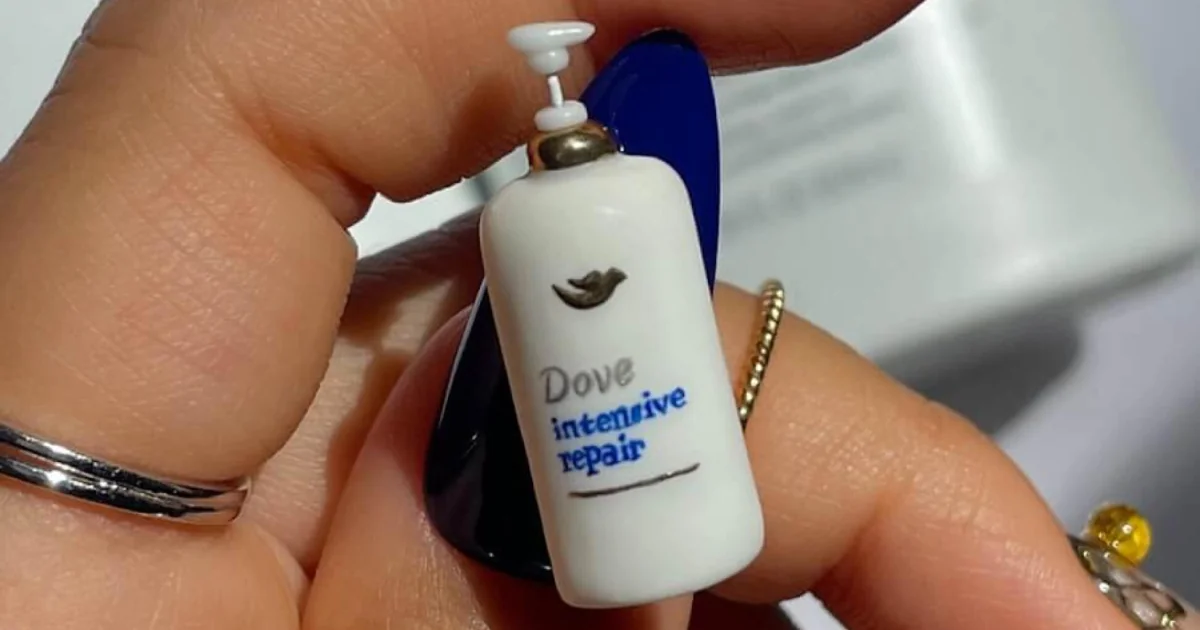
Project Baddie moved Dove Hair Intensive Repair into three non-beauty cultural spaces through creator persona cohorts defined by the agency: Front Row Wellness for fitness and holistic health, Sidequest Culture for craft and creative expression and niche hobbies, and Unbothered and Unfiltered for candid, low-filter lifestyles. Vetted creators in each cohort produced content native to their own communities, with the product placed as an incidental fixture in everyday settings, a pilates stretch, a clay pottery wheel, a personal bathroom shelf, rather than as the subject of a demonstration post.
The logic was that audiences outside beauty are less conditioned to distrust sponsored content, and closing the visual and tonal gap between organic and paid posts addresses a recognised driver of engagement decline. The three-cohort structure also let the brand test cultural fit across audience types without betting the whole campaign on one format. Content ran primarily on Instagram, with TikTok and YouTube in Monks' channel mix for Dove influencer work; performance figures for the campaign were not disclosed in available sources.
Case in 60 seconds
Dove Hair's conventional paid beauty partnerships were losing competitive ground on social platforms as audience scepticism toward sponsored content grew across the wider influencer marketing industry.
Social listening and brand analysis revealed that the brand needed to move beyond beauty-specific communities entirely, rather than simply finding better creators within them.
Embed Dove Hair Intensive Repair as a natural fixture in the lives of creators who were already trusted inside three distinct non-beauty cultural communities, generating organic credibility that conventional paid beauty formats had been losing.
Monks defined three creator persona cohorts — Front Row Wellness (fitness and holistic health), Sidequest Culture (creative expression and niche hobbies), and Unbothered and Unfiltered (candid, low-filter lifestyles) — each mapped to vetted creators who produced content native to their own communities.
No concrete performance figures are available in the sources reviewed; all outcomes are self-reported by Monks and the performance data section was not fully captured in the source material.
Strategy Breakdown
Creative & Execution System
Assets & channels
- Instagram image and short-form content (primary, confirmed by visual evidence in source)
- TikTok (listed as a Monks channel for Dove influencer work; specific use in Project Baddie not fully detailed in available sources)
- YouTube (listed as a Monks channel for Dove influencer work; specific use in Project Baddie not fully detailed in available sources)
Partners
- Monks (lead agency, influencer campaign management, social strategy, content creation)
Participation mechanic
- Creators produced content native to their own communities with Dove Hair Intensive Repair placed as an incidental product in settings such as a pilates stretch, a clay pottery wheel, and personal bathroom displays
- No single campaign moment or hashtag mechanic identified in available sources
Creator role
- Front Row Wellness creators: fitness and holistic health content with product present in natural context
- Sidequest Culture creators: craft and creative-expression content with product present in natural context
- Unbothered and Unfiltered creators: candid lifestyle content with product present in natural context
Results & Evidence
| Metric | Value |
|---|---|
| Total Views | 600K+ |
| Average Engagement Rate | 4.8% |
Why Monks' strategy worked
- 1
Defining distinct creator personas tied to non-category cultural communities can open distribution channels that are unavailable to standard beauty influencer campaigns, because audiences in those spaces have not yet built up the same resistance to sponsored content that beauty-category audiences have. Source: Monks case study.
- 2
Using social listening upstream of creator selection — to identify underserved cultural spaces — rather than only as a post-campaign measurement tool, surfaces opportunities that competitor brands operating within the same category communities are unlikely to find. Source: Monks case study.
- 3
A decentralised, multi-cohort campaign structure distributes both reach and format risk: if one cohort underperforms, the others can carry the campaign, avoiding the single-point-of-failure risk of a hero creator or single content style. Source: Monks case study.
- 4
Brand relevance and product demonstration can be decoupled: placing a product credibly inside a relevant cultural context can build brand association without foregrounding product claims, reducing the tonal distance between organic and sponsored content that drives engagement decline. Source: Monks case study.
- 5
The selection of creators already trusted within non-beauty communities means the brand borrows existing credibility rather than importing a beauty-native creator whose sponsorship history audiences may already discount. Source: Monks case study.
Results
10M+
Views
5M+
Impressions
20K+
New followers
Results
51.7M+
Total views
2.9M+
Interactions
17.7%
Engagement rate
Results
+1,293%
Brand mentions
1.5+ billion
Household reach
+43%
E commerce sales