
Vaseline Verified
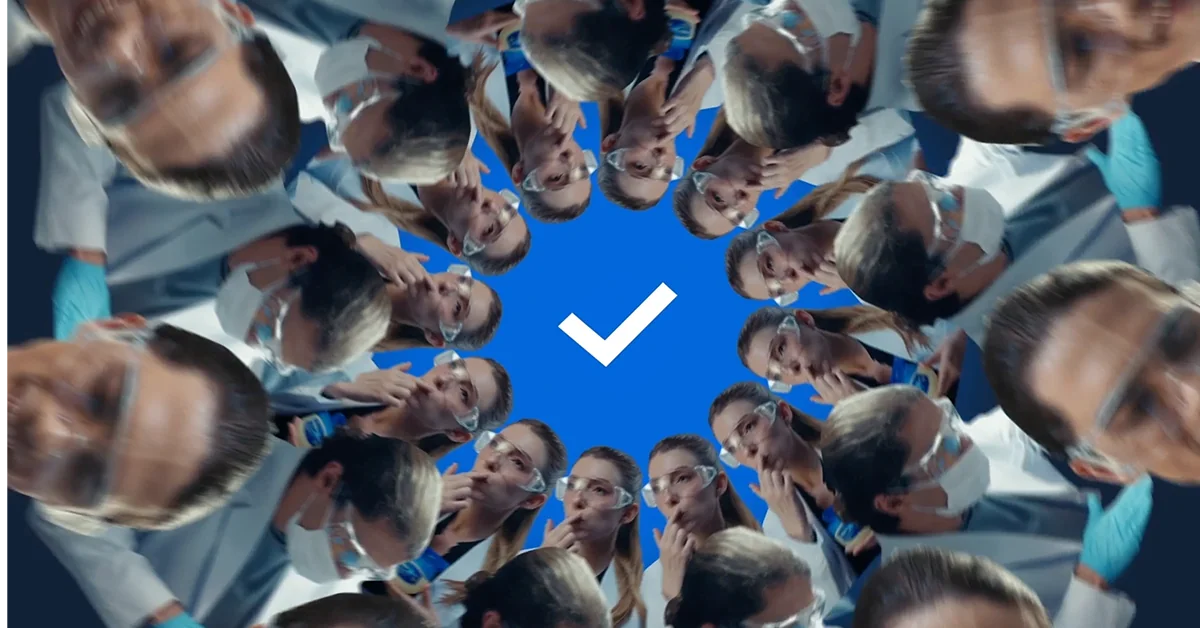
PR & CommunicationsOgilvy Singapore built a social R&D lab that lab-tested viral Vaseline hacks, awarding a #VaselineVerified seal to safe ones and publicly debunking the dangerous, turning misinformation risk into brand authority.
About the campaign
Vaseline Jelly was generating billions of views on TikTok and Instagram through viral user hacks, but the brand had no control over which claims were safe, with tips ranging from harmless tricks to risky uses like teeth whitening, eyelash growth and sexual lubrication, the last of which can cause condom breakage. Where personal care brands typically respond to viral misuse with legal caution or silence, Ogilvy Singapore saw that Vaseline's century of skin science was an unused credibility asset sitting alongside a community desperate for trustworthy answers.
The agency built what the Clio entry calls the world's first social R&D lab, in which named Unilever scientists tested viral hacks in an actual laboratory, awarding a #VaselineVerified seal to the ones that worked, such as extending fragrance longevity, taming flyaway hair and creating a soft-focus camera effect, while publicly debunking the dangerous myths. Verdicts were shared directly with creators on TikTok and Instagram, with a March 2025 soft launch fronted by director and creator Cole Walliser and a global rollout from April 2025, supported by Ogilvy offices in South Africa, the UK and New York, Mindshare, Edelman and VaynerMedia.
The brand reported a 1,293 percent rise in mentions, 43 percent e-commerce sales growth and 13.9 percent retail sales value growth, and the campaign won the Health & Wellness Grand Prix at the 2025 Cannes Lions.
Case in 60 seconds
Vaseline Jelly was generating billions of views on TikTok and Instagram through viral user hacks, but the brand had no control over which claims were safe. Some hacks — including using Vaseline for teeth whitening, eyelash growth, or as a sexual lubricant — carried genuine safety risks, and one in five users admitted to using the jelly as a lubricant that can cause condom breakage.
The same cultural momentum that was making Vaseline popular was also stripping the brand of authority over its own product; the brand's century of skin science was an unused credibility asset sitting alongside a community desperate for trustworthy answers.
Ogilvy Singapore created a social R&D lab — the world's first, according to the Clio entry — that took viral hacks into an actual laboratory, tested them with named Unilever R&D scientists, and either awarded a #VaselineVerified seal or publicly debunked the claim.
Scientists tested hacks including enhancing fragrance longevity, taming flyaway hair, and adding a soft-focus effect to camera lenses, verified the ones that worked, and debunked myths such as teeth whitening and lash growth. Results were shared directly with creators on TikTok and Instagram. The soft launch in March 2025 featured Canadian director and content creator Cole Walliser and the classic Hollywood glam camera-lens hack.
The brand reported +1,293% brand mentions, +43% e-commerce sales, and +13.9% retail sales value growth. The campaign won the Health & Wellness Grand Prix at the 72nd Cannes Lions in 2025, plus D&AD Pencils, One Show recognition, a Clio Gold, and Ad Age Social Campaign of the Year 2026.
Strategy Breakdown
Creative & Execution System
Assets & channels
- TikTok — primary platform for hack culture and lab-result videos
- Instagram — secondary distribution for verified and debunked hack content
- Lab-style video content featuring named Unilever R&D scientists
- #VaselineVerified seal applied to approved hacks
- Debunking advertising for myths
- PR and earned media via Edelman
Partners
- Ogilvy Singapore (lead creative agency)
- Ogilvy South Africa (support)
- Ogilvy UK (support)
- Ogilvy New York (support)
- Mindshare (media)
- Edelman (PR)
- VaynerMedia (support)
Participation mechanic
- Viral hacks submitted or identified organically on TikTok and Instagram
- Unilever R&D scientists test hacks in a laboratory setting
- Verified hacks awarded the #VaselineVerified seal
- Disproved hacks addressed through debunking advertising
- Lab verdicts shared directly with relevant creators for redistribution
Creator role
- Cole Walliser (Canadian director and content creator) — featured in soft-launch activation around the Hollywood glam camera-lens hack
- Broader creator community — received lab verdicts directly and co-distributed results on their own channels
Results & Evidence
| Metric | Value |
|---|---|
| Brand Mentions Lift | +1,293% |
| E-Commerce Sales Lift | +43% |
| Retail Sales Value Growth | +13.9% |
Awards & Recognition
| Award show | Year | Category | Result |
|---|---|---|---|
| Cannes Lions | 2025 | Health & Wellness | Grand Prix |
| D&AD | 2025 | Not specified in available sources | Pencil(s) |
| The One Show | 2025 | Not specified in available sources | Winner |
| Clio Awards | 2025 | Not specified in available sources | Gold |
| Ad Age | 2026 | Social Campaign of the Year | Winner |
Why Ogilvy's strategy worked
- 1
Ceding control can increase influence. By letting community-generated uses define the brand's cultural relevance and then supplying scientific verdicts rather than brand messaging, Vaseline gained authority it could not have claimed through conventional advertising. The research package describes this as obsessing over the stories consumers share rather than the messages the brand wants to broadcast.
- 2
R&D assets are a content opportunity. Naming and profiling the actual scientists running the tests — removing waterproof make-up, testing fragrance longevity, checking lash-growth claims — turned a century of skin science into native social video rather than a brand credential buried in small print.
- 3
Engaging with safety risk directly builds trust. Addressing the condom-breakage risk of using Vaseline as a lubricant — a topic most brands would avoid — demonstrated a public-service commitment that silence would have undermined.
- 4
Platform-native distribution amplifies credibility. Sharing lab verdicts directly with the creators whose hacks had been tested kept results inside the same ecosystem where hacks spread, rather than pulling audiences to brand-owned channels.
- 5
A dual verdict system (verified and debunked) is more credible than endorsement alone. Showing that the lab would say no — teeth whitening and lash-growth claims were publicly disproved — made the Vaseline Verified seal meaningful rather than promotional.
- 6
Launching with a single culturally resonant creator moment (Cole Walliser and the Hollywood glam camera-lens hack) gave the lab concept a tangible, shareable proof of concept before the wider rollout.
Results
10M+
Views
5M+
Impressions
20K+
New followers
Results
51.7M+
Total views
2.9M+
Interactions
17.7%
Engagement rate