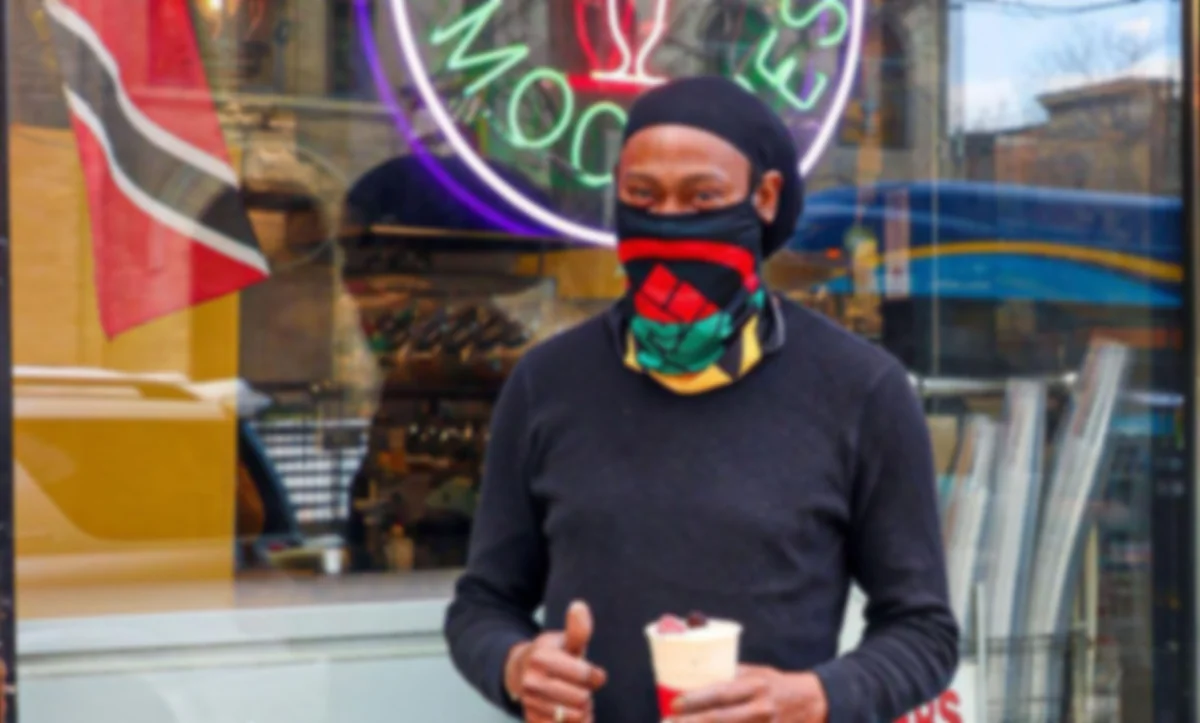

Yelp Black-Owned Business Attribute Campaign
Influencer MarketingThe Shelf ran a six-creator Instagram campaign for Yelp's Black-Owned Business Attribute during Black History Month, and reports a 54.8% engagement rate on allowlisted content.
Case in 60 seconds
The client had shipped a Black-Owned Business Attribute and a Collections feature, but The Shelf reports that audiences were not aware the attribute existed, so a tool built to send custom to Black-owned businesses was going unused.
The campaign appears to turn on a gap between intent and information, because audiences moved by the events of 2020 and by unequal PPP loan access already wanted to spend with Black-owned businesses and lacked a way to find them.
Rather than explaining the attribute, the campaign had creators use it in public and publish their own Collections of favorite Black-owned businesses, so the product feature arrived inside a personal recommendation.
Six Instagram creators, split evenly between foodies and social justice advocates, visited Black-owned restaurants, published carousels, in-feed posts, Stories and video, screen-recorded the in-app search, and built Collections of their picks, with allowlisting behind the content.
The Shelf reports a 9.81% engagement ratio, a 54.8% engagement rate on allowlisting, a clicks goal exceeded by 246%, 402 clicks organically and over 2,700 clicks paid, plus over 1,000 sticker taps.
Strategy Breakdown
Creative & Execution System
Assets & channels
- IGTV
- Instagram Carousels
- Instagram In-Feed Posts
- Instagram Stories
- Instagram Video
Partners
- The Shelf
Participation mechanic
- Followers could browse, bookmark, share and follow the Collections of Black-owned businesses the creators built, tap the business and brand stickers in Stories, and one creator opened her caption by asking followers to tag a Black-owned business in her comments.
Creator role
- Faith Brooks — creator
- Josh — creator
- Joy Navon — creator
- Sydelle — creator
- Todd — creator
- 6 influencers (5 planned plus a 6th as a value-add)
- Foodies
- Social Justice Advocates
Results & Evidence
| Metric | Value |
|---|---|
| Clicks Goal Over-Delivery | We had crazy good results on allowlisting, with a 54.8% engagement rate and then exceeding our clicks goal by 246% . 🎉 |
| Engagement Ratio | This campaign garnered an engagement ratio of 9.81% (nearly 5 times the average engagement for a campaign like this), thanks in large part to the amount of high-quality video content 🎥 our influencers produced. |
| Influencers | Not bad for 6 influencers! |
| Paid Clicks | This was a click-goal campaign that generated 402 clicks organically and over 2,700 clicks paid . |
| Sticker Taps | We also encouraged influencers to tag the Black-owned businesses, and saw over 1,000 sticker taps (for @ourclient and the businesses combined). |
| Story Frames Delivered | We over-delivered on story frames by almost 100% (promised = 45, delivered = 84) thanks to influencer Stories. |
Why The Shelf Influencer Marketing Agency's strategy worked
- 1
Content here ran to video and Stories rather than the static images the agency describes as typical of influencer work, and The Shelf credits the 9.81% engagement ratio largely to that video weighting, which suggests format mix carries feature-education work.
- 2
Screen recordings of the in-app search inside Stories appear to work as product demonstration rather than endorsement, which suits a feature whose barrier is that people do not know where to find it.
- 3
Adding a sixth creator to balance the foodie and social justice advocate personas at three each reads as buying persona symmetry rather than extra reach, since the campaign needed both a food angle and a social angle to hold.
- 4
The 54.8% engagement rate on allowlisting sits well above the 9.81% campaign ratio, and over 2,700 clicks paid against 402 clicks organically suggests the paid layer carried the click goal while organic carried awareness.
- 5
Follower comments running to surprise that the attribute existed suggests the constraint was awareness rather than persuasion, so creator content was doing the work of product marketing rather than advocacy.
Results
10M+
Views
5M+
Impressions
20K+
New followers
Results
51.7M+
Total views
2.9M+
Interactions
17.7%
Engagement rate