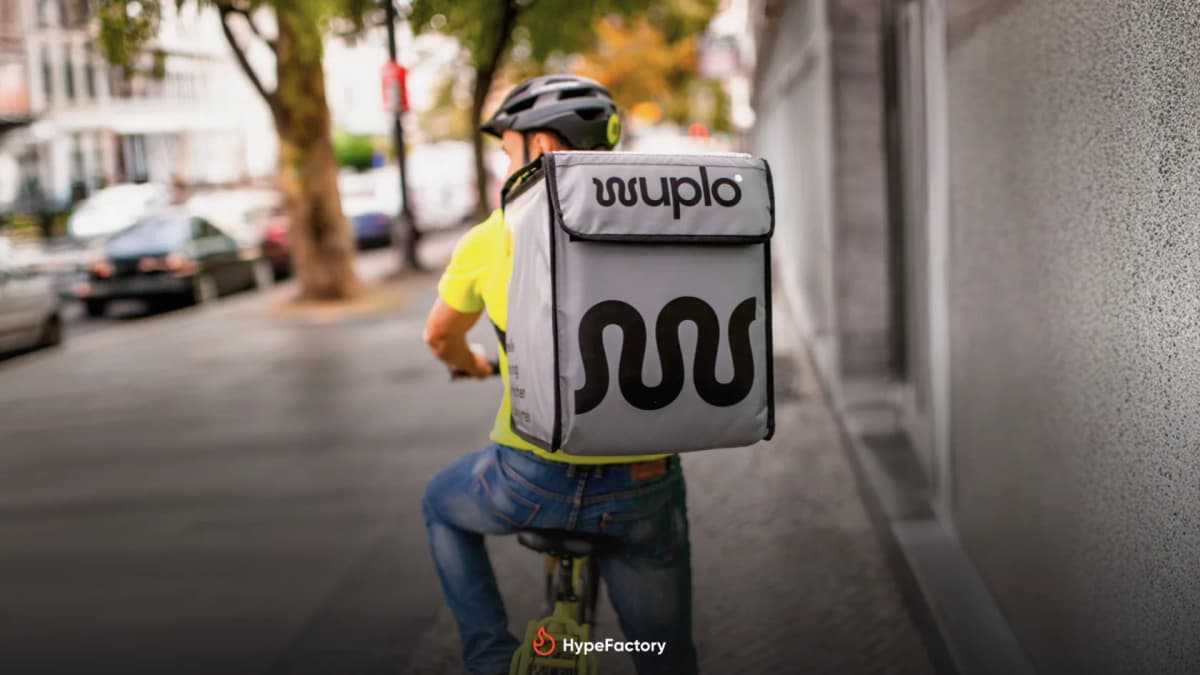

Wuplo
Hype Factory Influencer Agency ran an Instagram posts and stories campaign for grocery delivery service Wuplo in Berlin, reporting actual installs at 3.7x expected.
Case in 60 seconds
Wuplo, a fresh grocery delivery store founded in Berlin in 2021, had to promote the product in a new market and attract users to a new service, so the campaign carried recognition and acquisition tasks together.
The campaign appears to turn on grocery delivery being judged on whether it works in an ordinary week rather than on what it promises, so first-person accounts of using the app carry more weight than product claims.
Rather than describing the service, the work put the app inside creators' own routines, with influencers encouraged to talk about their own experience of using the Wuplo app as the organizing device.
The campaign ran on Instagram in posts and stories, geographically scoped to Berlin, with influencers encouraged to talk about their own experience of using the Wuplo app across both formats.
Hype Factory reports actual installs at 3.7x expected, actual clicks at 2.8x expected, and actual reach at 2x expected, each stated as a multiple of forecast rather than as an absolute count.
Strategy Breakdown
Creative & Execution System
Assets & channels
- Posts
- Stories
Partners
- Hype Factory Influencer Agency
Results & Evidence
| Metric | Value |
|---|---|
| Actual Clicks vs Expected | 2.8x |
| Actual Installs vs Expected | 3.7x |
| Actual Reach vs Expected | 2x |
Why Hype Factory Influencer Agency's strategy worked
- 1
Installs outrunning reach by a wider multiple than clicks suggests that first-person app demonstration converts a given audience harder than it expands it, because the content answers a usability question rather than an awareness one.
- 2
A single-city geography paired with a service that only operates in that city reads as a deliberate match of media footprint to delivery footprint, which removes the waste that national creator buying would carry.
- 3
Reporting against expectation rather than against absolutes lets an advertiser publish performance without disclosing scale, so such multiples describe forecasting accuracy as much as campaign effect.


Results
10M+
Views
5M+
Impressions
20K+
New followers

Results
51.7M+
Total views
2.9M+
Interactions
17.7%
Engagement rate