
Susan G. Komen: Join the Fight, Save Lives
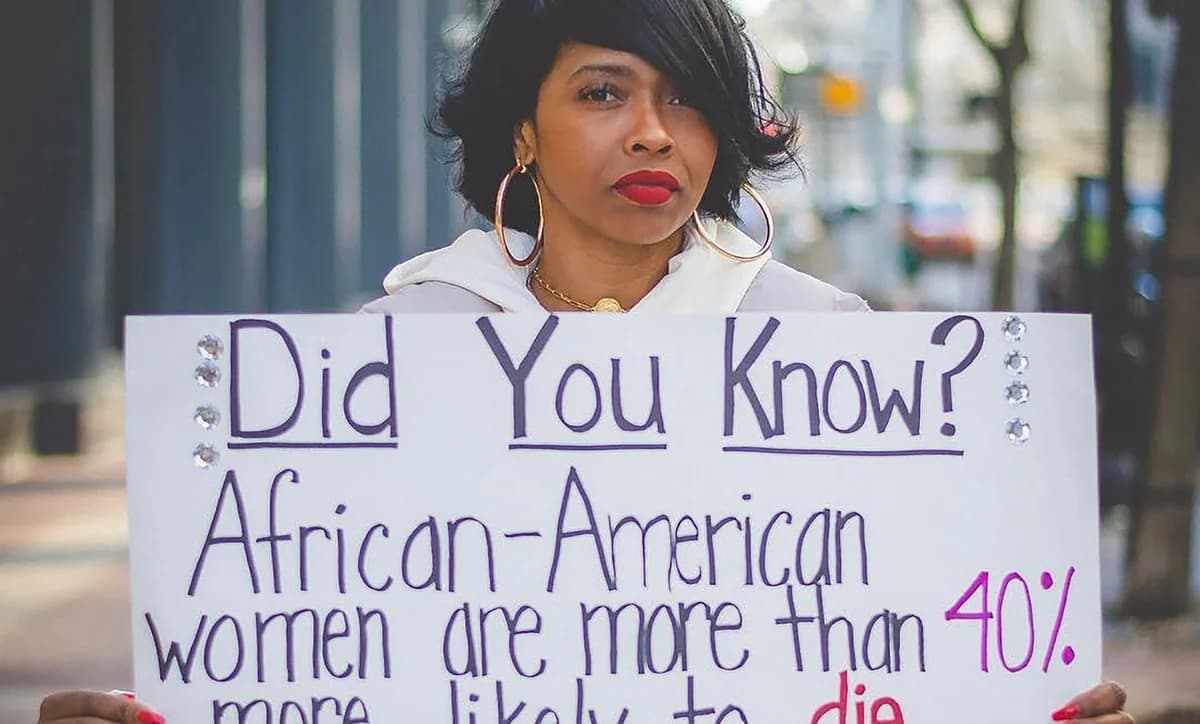
Influencer MarketingThe Shelf ran four awareness campaigns for Susan G. Komen with influencers sharing personal breast cancer stories across Instagram, Facebook, Pinterest and blogs, reporting a 3.28% average engagement rate.
Case in 60 seconds
Susan G. Komen needed awareness of breast cancer and of the organization itself, while also driving clicks to its donation landing page and getting audiences involved in the cause, so a single awareness message would not carry the brief.
The campaign appears to turn on the fact that breast cancer is treated as a women's disease, so casting men alongside women, and Baby Boomers alongside Millennials, was the argument itself rather than a casting preference.
Four separately messaged campaigns built around influencers from different backgrounds and walks of life telling first-hand accounts of how breast cancer reached them, on the premise that cancer does not discriminate.
Influencers ran a giveaway of custom-designed Susan G. Komen chasers donated by ORCA, shared topline breast cancer statistics with a story about who their own "one" is, argued for wearing pink beyond October, and posted for National Breast Cancer Awareness Month. The content ran as Instagram carousels, Stories and in-feed posts, Facebook posts, Pinterest pins and blog posts, and The Shelf reports shifting one campaign toward clicks when that goal rose in priority.
The Shelf reports an average engagement rate of 3.28% across all four campaigns, with half averaging over 4%, and 4.59% on the Facts and Stats campaign, which it reports at 94.3% over its promised engagements. It also reports more than triple the influencer-generated content it expected to receive.
Strategy Breakdown
Creative & Execution System
Assets & channels
- Blogs
- Facebook posts
- Instagram Stories
- Instagram carousels
- Instagram in-feed posts
- Pinterest pins
- blog posts
Partners
- The Shelf
Participation mechanic
- Audiences entered a giveaway to win a custom-designed Susan G. Komen chaser donated by ORCA through influencer Instagram feed posts, and were pushed onward to donate, to get screened and to click through to the donation landing page.
Creator role
- Adrienne — creator
- Chelsea Briggs — creator
- Heather Anderson — creator
- Kim Van Dusen — creator
- Lana — creator
- Susan Kanoff — creator
- Sylvia Colella — creator
- Wade Holland — creator
- 9 micro, mid, and macro-influencers
- influencers from all different backgrounds and walks of life
Results & Evidence
| Metric | Value |
|---|---|
| Average Engagement Rate | Across all four campaigns, the average engagement rate was 3.28%. |
| Engagement Rate, Facts and Stats | It's no surprise that this campaign received an engagement rate of 4.59% - we achieved 94.3% over our promised engagements. |
| Engagement Rate, Half of Campaigns | Each campaign we ran had a strong engagement rate, with half averaging over 4%. |
Why The Shelf Influencer Marketing Agency's strategy worked
- 1
Casting for proximity to the cause rather than for follower scale appears to explain the 4.59% engagement rate on the Facts and Stats campaign, because a statistic delivered by someone naming their own "one" carries evidence a caption cannot.
- 2
Cause work in which creators hold a personal stake appears to produce surplus output, which is how The Shelf accounts for more than triple the influencer-generated content it expected to receive.
- 3
Holding one creator across all four campaigns reads as a continuity device, because a rediagnosis told as it happens gives an awareness message a running story rather than four unconnected posts.
- 4
Splitting the work into four separately messaged campaigns appears to let one goal move mid-flight, since The Shelf reports optimizing a single campaign for clicks while the others stayed on education and awareness.
- 5
Pairing a hard statistic with a bereavement or survival account in the same post reads as the recurring structure here, because the number establishes scale while the account establishes that the scale includes people the audience follows.
Results
10M+
Views
5M+
Impressions
20K+
New followers
Results
51.7M+
Total views
2.9M+
Interactions
17.7%
Engagement rate