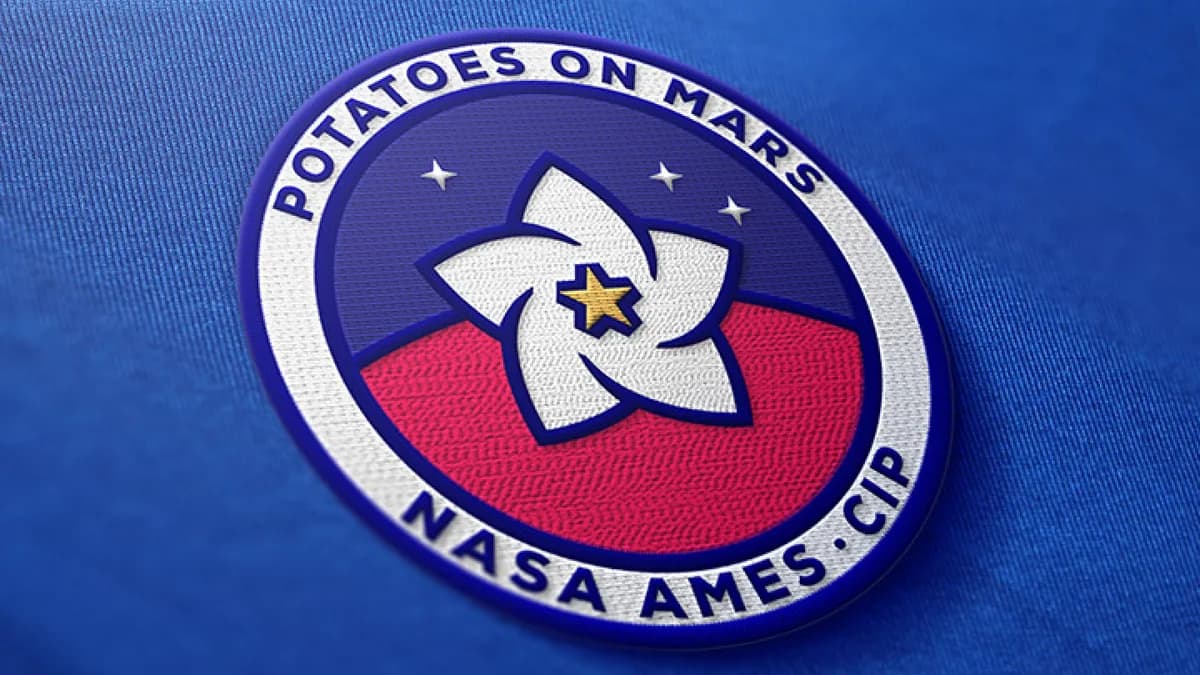

Potatoes on Mars
Content CreationOgilvy streamed a 24/7 live feed of an attempt to grow potatoes inside a Mars-simulating CubeSat for CIP, reporting 100 million viewers worldwide.
Case in 60 seconds
CIP needed the world to care about the potato as a resilient crop that could help solve hunger, a cause that is easy to overlook.
Real science, staged as an event people can watch unfold live, turns an abstract research message into must-see attention.
Attempt to grow potatoes in Mars-like conditions and let the world watch it happen around the clock.
Ogilvy worked with CIP, UTEC and NASA scientists to build a CubeSat replicating Martian conditions, then streamed the attempt around the clock via potatoes.space.
The agency reports 100 million people worldwide watched the live feed. The figure is self-reported and the only quantitative result stated.
Strategy Breakdown
Creative & Execution System
Assets & channels
- Dedicated live-feed portal at potatoes.space
- Purpose-built CubeSat with monitoring sensors replicating Mars conditions
- Cameras fitted inside the CubeSat streaming the growth attempt
Partners
- Ogilvy (Memac Ogilvy Dubai)
- CIP
- UTEC
- NASA scientists
Participation mechanic
- Global audiences tuned into the round-the-clock live feed to watch whether the potatoes would grow
Creator role
- Not disclosed
Results & Evidence
| Metric | Value |
|---|---|
| Live-Feed Viewers | 100M |
Why Ogilvy's strategy worked
- 1
Staging real science as a live, uncertain event gives a research cause a reason to be watched.
- 2
Borrowing the cultural pull of Mars made a humble crop feel globally significant.
- 3
A dedicated round-the-clock portal gave the story a home and a live outcome to follow.
- 4
Partnering with credible scientists (CIP, UTEC, NASA) gave the stunt substance behind the spectacle.

Results
10M+
Views
5M+
Impressions
20K+
New followers

Results
51.7M+
Total views
2.9M+
Interactions
17.7%
Engagement rate