
The Longest Erratum Ever
Influencer MarketingPilsen pressured Rolling Stone to correct its 1989 'Cocaine Capital of the World' profile of Medellin, turning a brand reputation goal into a civic campaign.
About the campaign
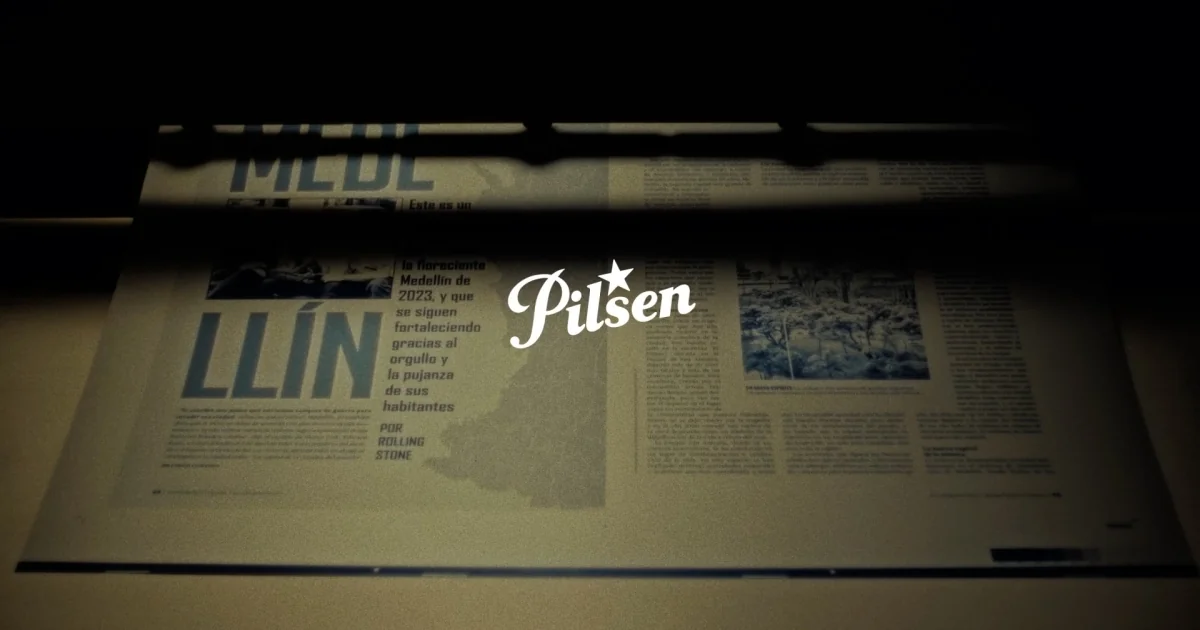
Pilsen, the heritage beer brewed in Medellin since 1904, wanted to help its home city shed a decades-long association with drug cartels and sex tourism that international media coverage kept alive long after the city had transformed. Rather than answering vague negative perception with feel-good content, Monks traced the damage to a specific artifact: Rolling Stone's 1989 profile of Medellin titled "The Cocaine Capital of the World." The Longest Erratum Ever demanded a formal correction to that article, giving the campaign a measurable win condition and turning a brand reputation goal into a civic cause residents could own and share with pride.
Produced by Monks and Draftline Colombia with production company Primo and director Caco Marshall, the social-first campaign ran across Pilsen's owned channels, backed by digital billboards in New York's Times Square and celebrity ambassadors including J Balvin and other local Colombian figures, with a coordinated earned, owned and influencer push. The dual audience was deliberate: Medellin residents got a rallying message, while international media and tourists were confronted with how outdated their picture of the city was.
After weeks of campaigning, Rolling Stone accepted the request to revisit its portrayal of Medellin, the billboards stirred reactions on X, regional media picked up the story, and the work was named among Media.Monks' Cannes Lions 2024 contenders. Hard reach and sales figures were not disclosed.
Case in 60 seconds
Pilsen, a heritage beer brand rooted in Medellin since 1904, wanted to shed the city's decades-long association with drug cartels and sex tourism, reinforced over the years by international media coverage.
Much of Medellin's damaged international reputation could be traced to specific pieces of media, with Rolling Stone's 1989 profile titled 'The Cocaine Capital of the World' identified as the most notable artifact still shaping perceptions.
Rather than countering vague negative perception with positive content alone, Monks framed the campaign around a formal erratum — a correction to the 1989 article — turning a corporate reputation goal into a civic story Medellin residents could own and share.
The campaign ran on Pilsen's social channels supported by digital billboards in New York's Times Square, celebrity ambassadors including J Balvin and other local figures, and a coordinated earned, owned and influencer push produced by Monks / Draftline Colombia with director Caco Marshall and production company Primo.
After weeks of campaigning, Rolling Stone accepted the request to revisit its portrayal of Medellin. The Times Square billboards generated social reactions on X (Twitter), campaign content was picked up for regional media coverage, and the work was named among Media.Monks' Cannes Lions 2024 contenders. Hard reach, engagement and sales figures are not disclosed in available sources.
Strategy Breakdown
The primary strategy-learning section — interpretation, not a press-release summary.
Creative & Execution System
Assets & channels
- Social content on Pilsen's owned channels (including X / Twitter) — source
- Digital out-of-home billboard in New York's Times Square — source
- Regional earned media coverage — source
- Ambassador-distributed content via local celebrities including J Balvin — source
Partners
- Monks (Media.Monks) — lead creative and social agency — source
- Draftline Colombia — production and content — source
- Primo — production company — source
- Caco Marshall — director — source
Participation mechanic
- Content designed for shareability so Medellin residents could distribute the message with civic pride — source
- Social reactions to Times Square billboard seeded organic X (Twitter) conversation — source
Creator role
- J Balvin and other local Colombian celebrities acted as city ambassadors, lending credibility and extending reach — source
- Client-side team covered media, PR, influencers and community coordination — source
Results & Evidence
| Metric | Value | Result type |
|---|---|---|
| Earned media value | $1 million | Earned media |
| Positive image increase | +51.4% | Brand perception |
| Heritage perception increase | +14% | Brand perception |
Awards & Recognition
| Award show | Year | Category | Result |
|---|---|---|---|
| Cannes Lions | 2024 | Not specified | Named as contender by Media.Monks ahead of the festival; no win or shortlist confirmed in available sources |
Why Monks's strategy worked
- 1
Targeting a single, named artifact — Rolling Stone's 1989 article — gave the campaign a concrete win condition and a clear narrative hook that abstract perception-shift campaigns typically lack.
- 2
Framing the brand goal as a formal erratum converted a corporate reputation exercise into a civic act that residents could share with genuine pride, reducing the distance between brand messaging and personal expression.
- 3
Pilsen's history in Medellin, rooted in the brand's 1904 founding, gave the brand credible standing to lead this kind of campaign; the same approach would carry less weight from a brand without deep local roots.
- 4
Using recognizable local ambassadors including J Balvin alongside high-visibility out-of-home placements like the Times Square billboard extended reach well beyond the brand's own channels and added third-party credibility.
- 5
Coordinating owned social, earned media, out-of-home, and influencer activity within a single thematic frame — the erratum — kept messaging coherent across channels and amplified each element's impact on the others.

Results
51.7M+
Total views
2.9M+
Interactions
17.7%
Engagement rate

Results
10M+
Views
5M+
Impressions
20K+
New followers