
Nexxus: The Style Swap
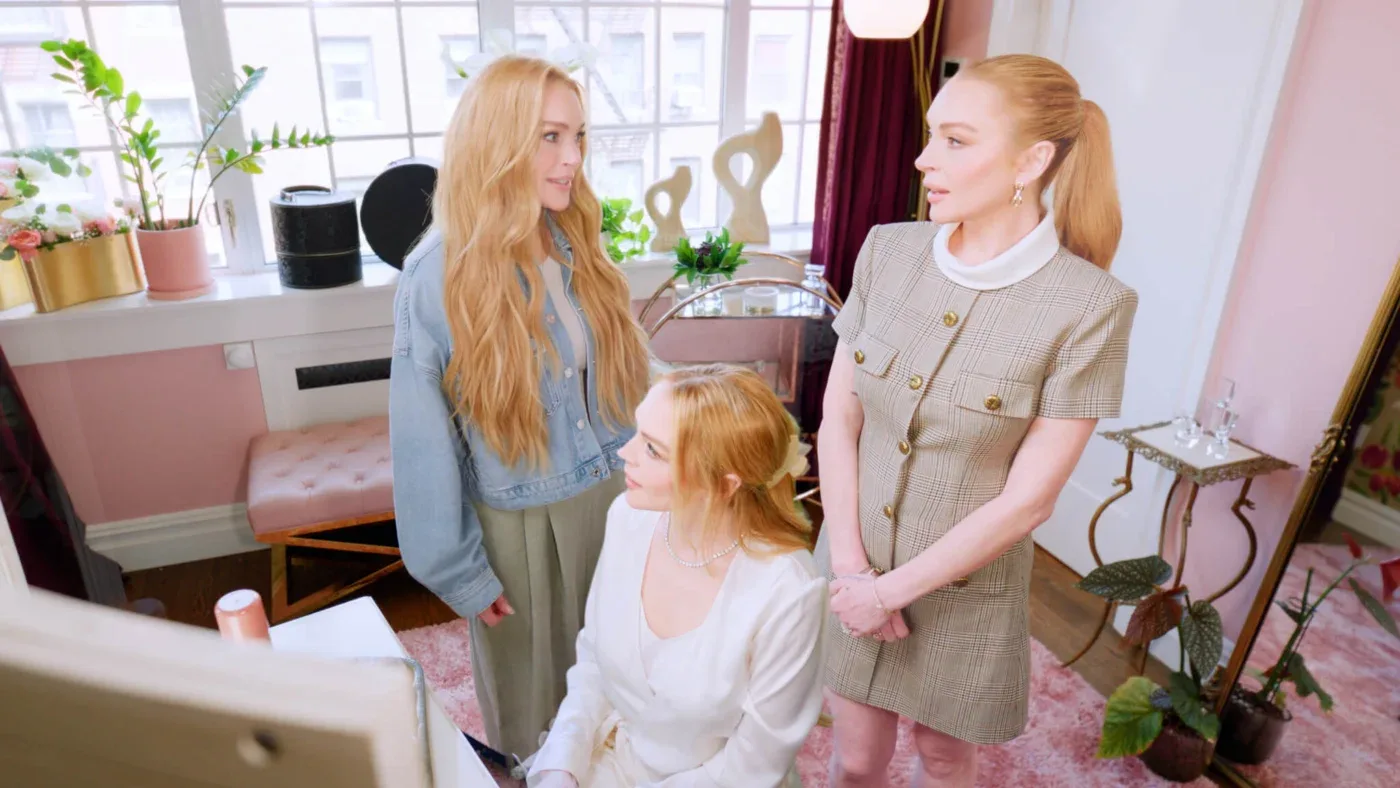
Weber Shandwick built a nostalgia-led brand film for Nexxus around Lindsay Lohan's twin characters, earning more than 260 placements and more than 2.65 billion impressions.
Case in 60 seconds
Nexxus held a strong reputation among women aged 45 and over, so growth depended on reaching younger consumers the agency calls GenZennials, and the Styling Line had already launched in early 2024 without a cultural moment behind it.
The campaign appears to turn on the fact that the target generation grew up with the 1998 film, so a reimagining of its twin characters reads as shared memory rather than as a celebrity endorsement bought for reach.
A nostalgia-driven brand film that introduces an established brand to a new audience by reimagining Lindsay Lohan's twin characters with modern hair transformations, which puts the versatility of the Nexxus Styling Line at the centre.
Lindsay Lohan reimagined her twin characters without any clips from the movie, with Easter eggs in production design and props, lines paying homage to the original, a launch around the twins' birthday, and the social trend "Twin, where have you been?" carrying it across social, influencers and editorial.
Weber Shandwick reports the campaign earned more than 260 placements and drove more than 2.65 billion impressions, which the agency attributes to cultural cache and strategic timing rather than a large media buy.
Strategy Breakdown
The primary strategy-learning section — interpretation, not a press-release summary.
Creative & Execution System
Assets & channels
- brand film
Partners
- Weber Shandwick (lead_agency)
Participation mechanic
- Fans identified references the film never stated aloud, from the birthday timing to lines echoing the original, and the campaign drew on the existing "Twin, where have you been?" social trend that audiences were already posting to.
Creator role
- Lindsay Lohan — creator
- influencers
Results & Evidence
| Metric | Value | Result type |
|---|---|---|
| impressions | the campaign earned more than 260 placements to drive more than 2.65 billion impressions by prioritizing cultural cache and strategic timing over a large media buy | impressions |
Why Weber Shandwick's strategy worked
- 1
Where rights do not extend to source footage, the reference can still land through production design, props and dialogue, because an audience that knows the material completes it from fragments rather than needing the original shown.
- 2
Timing a launch to a date the fandom already observes, in this case the twins' birthday, gives editorial and social a reason to cover the work on a specific day rather than at the brand's convenience.
- 3
An existing social trend such as "Twin, where have you been?" supplies a format the audience is already using, so brand content enters an ongoing conversation rather than starting one from a standing position.
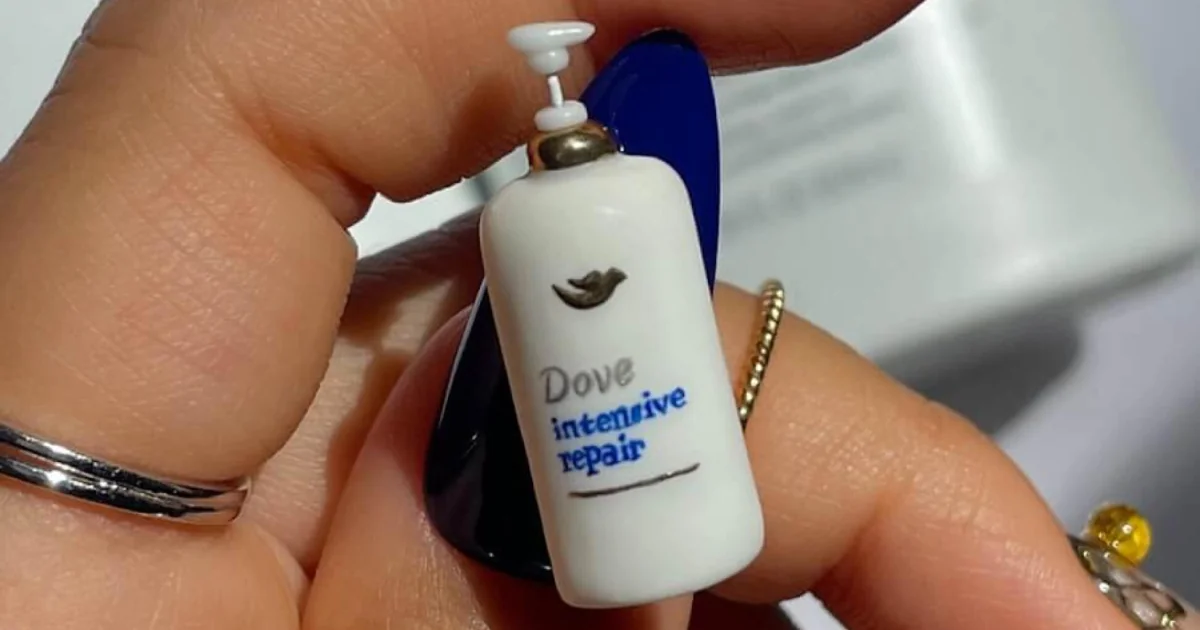
Results
10M+
Views
5M+
Impressions
20K+
New followers
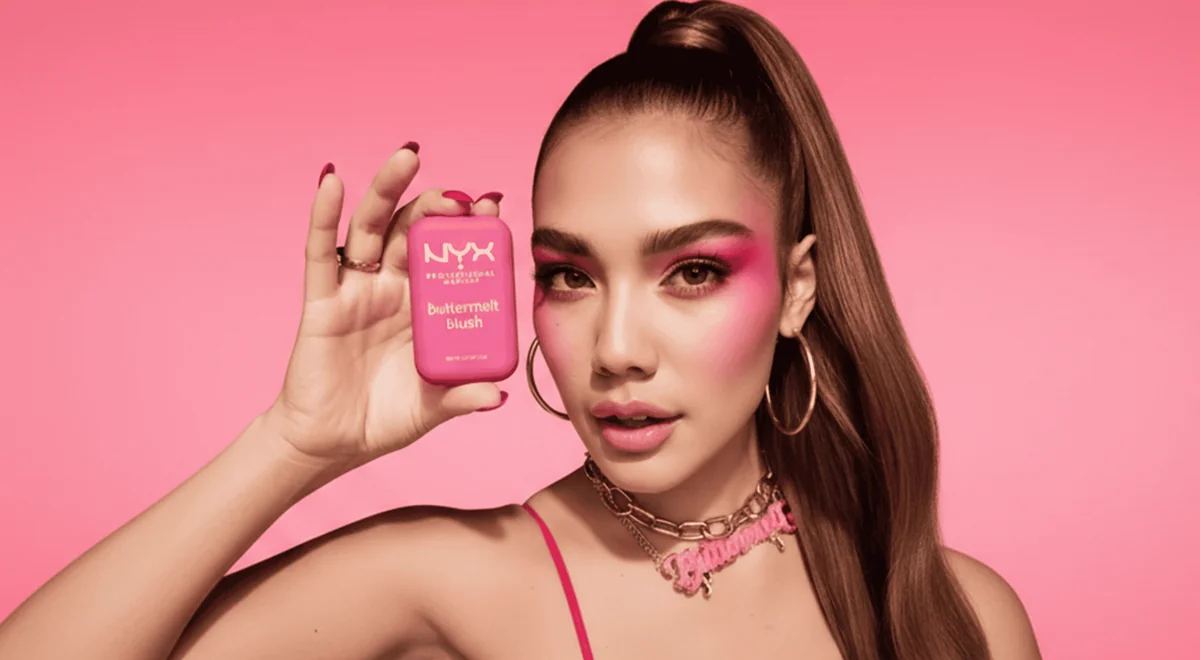
Results
51.7M+
Total views
2.9M+
Interactions
17.7%
Engagement rate