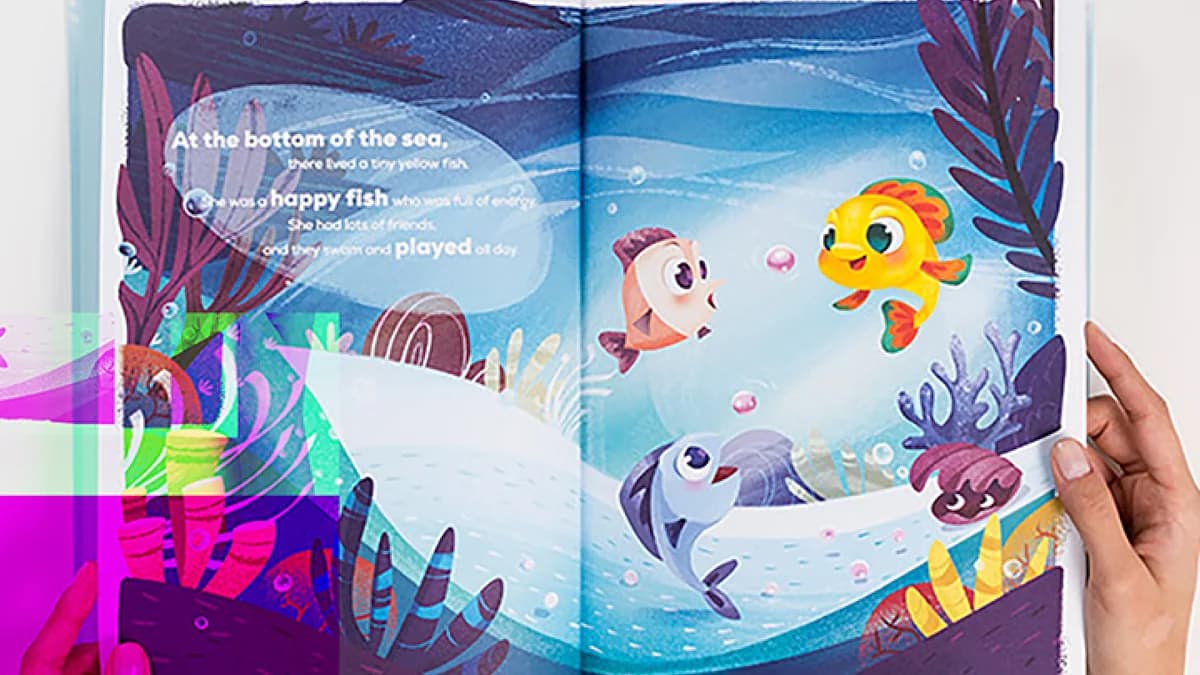

Tummyfish
Content CreationOgilvy Dubai got children to drink more water for Nestle with a storybook and a camera-based app that placed a virtual Tummyfish in their belly, mirroring their daily drinking habits.
Case in 60 seconds
Nestle wanted children to drink more water and fewer sugary drinks, but simply telling kids to hydrate rarely changes daily behaviour.
Children will believe almost anything if it is wrapped up in a nice story, so a narrative could carry a healthy habit.
Convince children they have a fish living in their tummy that they must care for by drinking water every day.
Ogilvy Dubai built an illustrated storybook and a camera-based app that placed the Tummyfish in a child's belly, mirrored their drinking habits from parent-entered data, and rewarded improvement with growth and mini-games.
No downloads, reach, or behaviour-change figures are published on the agency page. Detail is self-reported and not independently verified.
Strategy Breakdown
Creative & Execution System
Assets & channels
- Illustrated storybook
- Camera-based augmented reality mobile app
- Parent dashboard for daily consumption tracking
- Mini-game rewards for improved habits
Partners
- Ogilvy (Dubai)
Participation mechanic
- Children cared for a virtual Tummyfish by drinking water; parents entered daily consumption data, and the fish grew and unlocked mini-games as habits improved
Creator role
- Not disclosed
Why Ogilvy's strategy worked
- 1
Wrapping a healthy habit in a story and a virtual creature to care for turned water-drinking into a game children wanted to play.
- 2
Using the phone camera to place the Tummyfish in a child's belly made an invisible benefit feel real and personal.
- 3
Mirroring drinking habits so water made the fish happy and sugary drinks made her sad gave clear, immediate consequences.
- 4
Daily parent input and mini-game rewards created a feedback loop that could sustain the behaviour over time.

Results
10M+
Views
5M+
Impressions
20K+
New followers

Results
51.7M+
Total views
2.9M+
Interactions
17.7%
Engagement rate