
L'Oréal USA Influencer Research and Insights
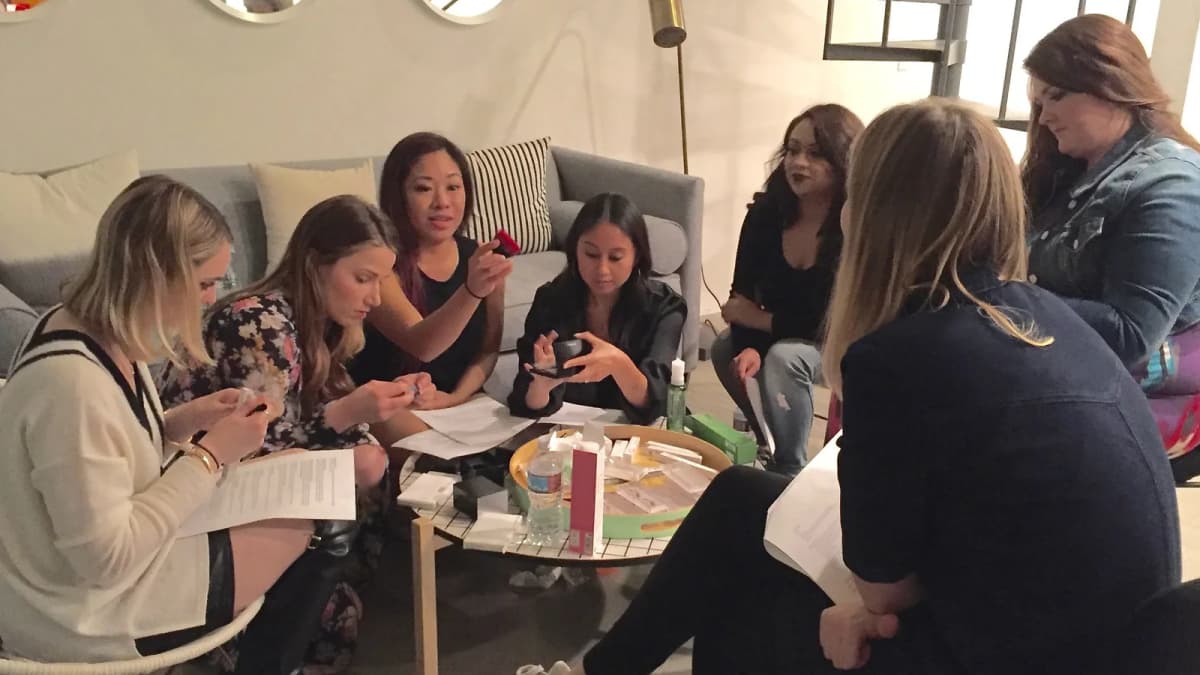
Influencer MarketingXOMAD ran influencer focus groups and surveys for L'Oréal USA to evaluate a return to the US market, drawing on 80+ Influencers across 4 Focus Groups.
Case in 60 seconds
L'Oréal set out to evaluate the potential of a brand returning to its US market, and XOMAD took that question on within its Influencer Research and Insights program, so the work was framed as evaluation rather than promotion.
The work appears to turn on the reading that influencers who discuss trends before those trends arrive hold market knowledge a conventional panel does not, which is why the vetting weighed expertise and creativity rather than audience scale.
The organizing thesis was to treat carefully vetted influencers as expert respondents whose knowledge of the space could be gathered, moderated and reported back to the brand as a story rather than distributed as content.
XOMAD vetted influencers for knowledge and creativity in the space, used its technology to find people talking about trends before they were trends, determined key cities to host focus groups, and facilitated moderated sessions, surveys and final reporting.
XOMAD reports 4 Focus Groups, 80+ Influencers and 1 Report, so what the page documents is the scope of the research delivered rather than any commercial, sales or audience measure of the market it examined.
Strategy Breakdown
Creative & Execution System
Partners
- XOMAD
Participation mechanic
- Influencers took part directly, through moderated focus group sessions hosted in key cities and through influencer surveys, so participation was the research instrument itself rather than an audience-facing device.
Results & Evidence
| Metric | Value |
|---|---|
| Focus Groups | 4 Focus Groups |
| Influencers | 80+ Influencers |
| Report | 1 Report |
Why XOMAD's strategy worked
- 1
Vetting for early trend conversation reads as a workable proxy for category expertise, because an influencer who names a trend before it spreads has already demonstrated the judgement a brand is buying when it asks for a read on a market.
- 2
Influencer relationships appear usable as a research instrument rather than only as media, since the focus groups and surveys here produced a single report on market potential and no consumer-facing output at all.
- 3
Choosing key cities for the sessions suggests a market read treated as local rather than national, because the expertise the study wanted is concentrated in particular places rather than spread evenly across a country.
Results
51.7M+
Total views
2.9M+
Interactions
17.7%
Engagement rate
Results
10M+
Views
5M+
Impressions
20K+
New followers