
The Right Start
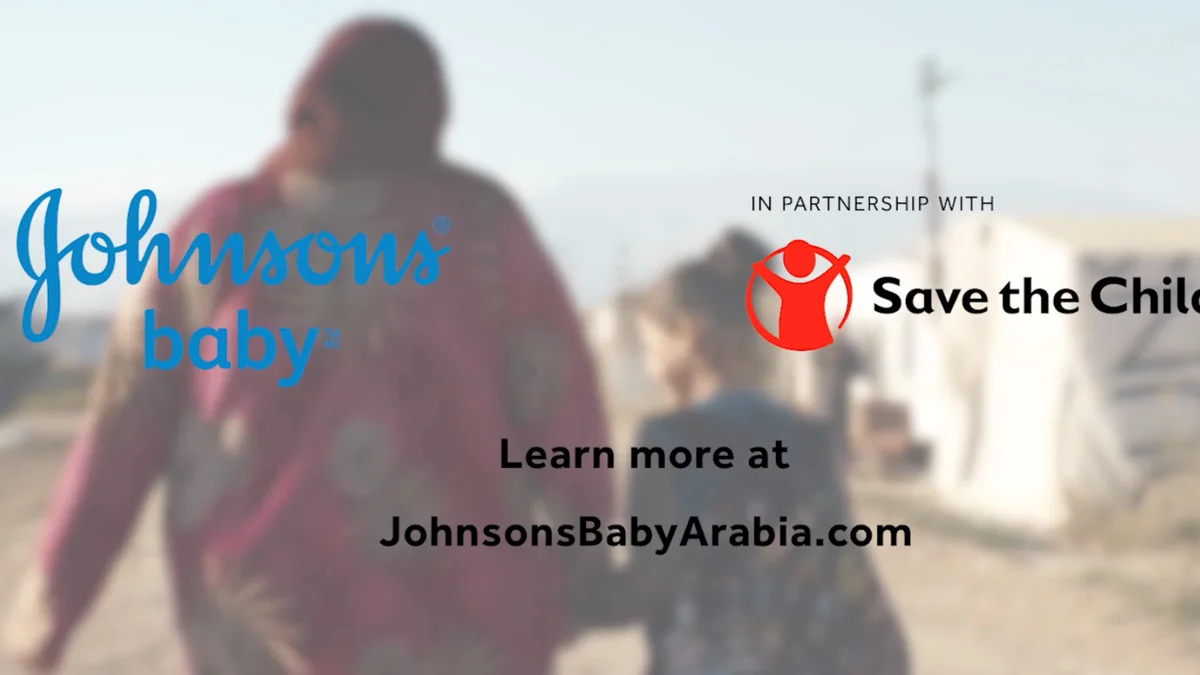
PR & CommunicationsOgilvy tied Johnson's Baby's purpose to birth registration, creating International Birth Registration Day on October 08, cinematic films across two continents, and an influencer teaser built on birth-date numbers.
Case in 60 seconds
Many newborns go unregistered and lack a birth certificate, and Johnson's Baby wanted to extend its purpose of helping every baby thrive to this issue.
A birth certificate is a newborn's right start, and without it a child is disadvantaged from day one, which maps directly onto the brand's own purpose.
Provide the right start for newborns by driving awareness and action on birth registration, marrying the cause to Johnson's Baby's purpose.
Ogilvy registered October 08 as International Birth Registration Day, shot cinematic films across two continents telling real families' stories, and ran a teaser where influencers posted only their birth-date numbers.
No performance metrics or awards are published on the agency page. The creation of International Birth Registration Day is positioned as the lasting legacy of the work.
Strategy Breakdown
Creative & Execution System
Assets & channels
- Cinematic films shot across two continents
- Influencer teaser posts (birth-date numbers only)
- International Birth Registration Day (October 08)
Partners
- Ogilvy, Dubai
Participation mechanic
- Influencers shared only numbers denoting their birth date to spark speculation before the reveal
Creator role
- Influencers used as a pre-launch teaser device, posting cryptic birth-date numbers
Why Ogilvy's strategy worked
- 1
Connecting a social problem to a brand whose purpose already centred on babies thriving made the cause feel authentic rather than bolted on.
- 2
Creating a permanent awareness day gave the campaign staying power beyond a single launch moment.
- 3
A cryptic, number-only influencer teaser built curiosity before the emotional films delivered the message.
- 4
Documentary-style films of real affected families gave an abstract issue a human, relatable face.
Results
10M+
Views
5M+
Impressions
20K+
New followers
Results
51.7M+
Total views
2.9M+
Interactions
17.7%
Engagement rate