
I Won't Play
Influencer MarketingGolin Ketchum organized 19 sports champions into a public pledge never to star in gambling ads for Save the Children, driving 100% negative sentiment among sport stars toward gambling advertising.
Case in 60 seconds
1 in 4 children in Romania gambles before the age of 11, and the biggest trigger is seeing sports heroes in gambling ads. Save the Children needed the law changed, but no gambling company, star or media company would help; all were complicit.
The campaign appears to turn on the youngest athletes being the only sports figures free to refuse gambling money, because a teenage champion has a future to risk rather than a contract to defend.
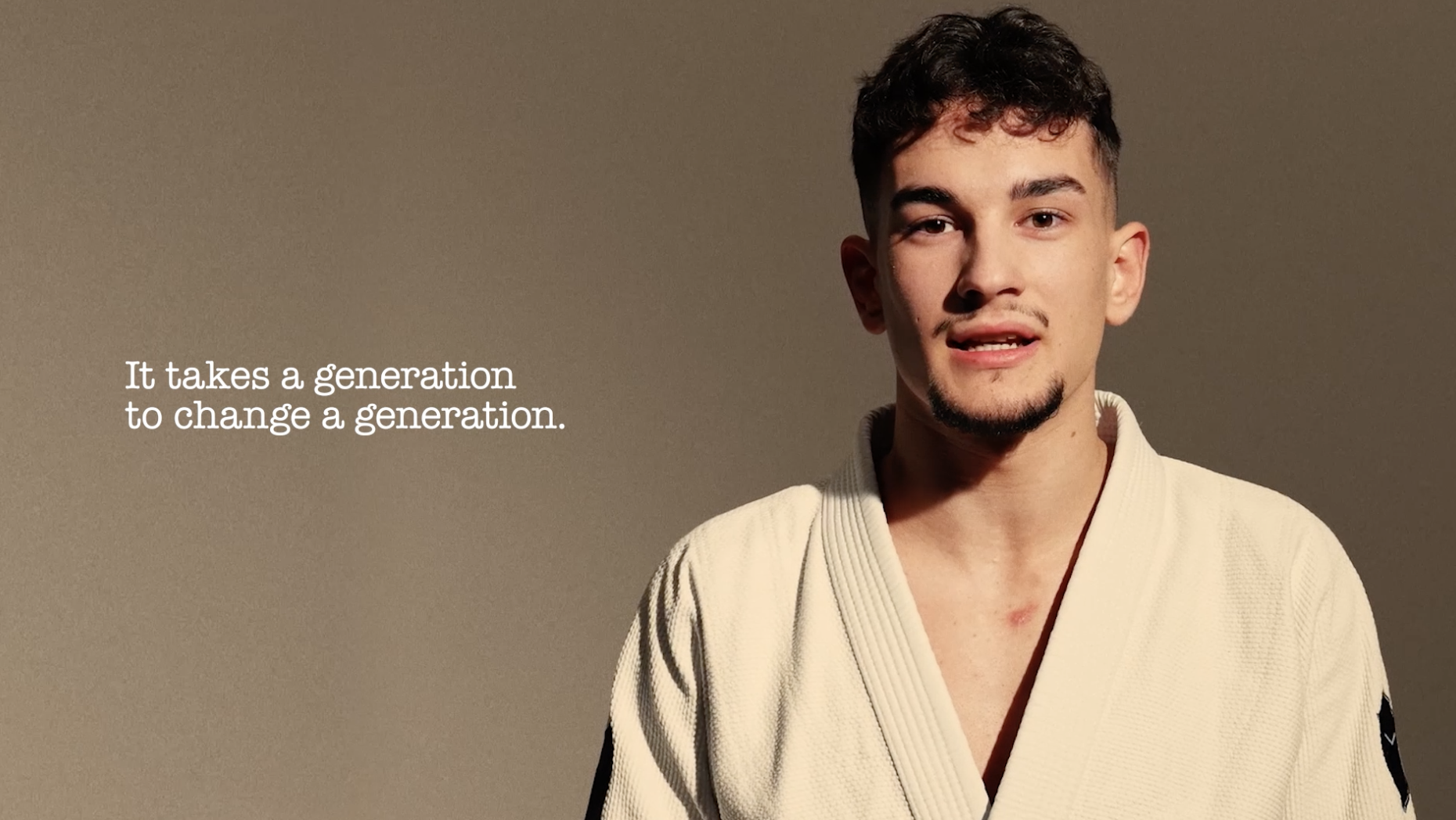
The organizing thesis was a refusal made public: 19 underage sports champions pledging never to star in gambling ads, so the generation being targeted spoke for itself rather than adults speaking for it.
Save the Children built a web hub to host pledges from athletes spanning judo, athletics, gymnastics, football, equestrian and basketball, schools joined to create a national billboard network when media contractors refused, and social media orchestration drove the outcry across Romanian society.
Golin Ketchum reports a new law within 10 days, the 1st national ban on stars in gambling ads, 100% negative sentiment among sport stars toward gambling advertising, and coverage on CNN, Euronews, Newsweek and TVR.
Strategy Breakdown
The primary strategy-learning section — interpretation, not a press-release summary.
Creative & Execution System
Partners
- Golin Ketchum (lead_agency)
Participation mechanic
- Young athletes signed a public pledge hosted on a web hub built by Save the Children, and schools joined to create a national billboard network when media contractors refused to carry the work.
Results & Evidence
| Metric | Value | Result type |
|---|---|---|
| negative sentiment among sport stars | The campaign drove 100% negative sentiment among sports stars toward gambling advertising, and 4 media contractors banned the campaign before the law forced the change. | performance |
| national ban on stars in gambling ads | Romania introduced the first national ban on stars in gambling ads. | performance |
| days to new law passed | In just 10 days, a new law was passed banning all celebrities from gambling ads forever. | performance |
| media contractors that banned campaign | The campaign drove 100% negative sentiment among sports stars toward gambling advertising, and 4 media contractors banned the campaign before the law forced the change. | context |
| underage sports champions pledging | 19 underage sports champions, aged 16 and 17, made a public pledge to never star in gambling ads: I Won't Play. | scope |
| children gambling before age 11 | 1 in 4 children in Romania gambles before the age of 11, leading to lifelong poverty and addiction. | context |
Why Golin's strategy worked
- 1
Where an entire commercial category is complicit, the credible messenger appears to be the person the category has not yet paid, which is why the pledge came from underage champions rather than from established stars.
- 2
When paid media refuses to carry a message, volunteered surfaces can replace the route, as schools building a national billboard network did after 4 media contractors banned the campaign.
- 3
A public refusal reads as legible to legislators in a way an argument does not, which suggests why 19 pledges preceded a new law in 10 days rather than a longer policy fight.
- 4
Asking sports figures to state a position on the record appears to convert a diffuse issue into a peer norm, reported here as 100% negative sentiment among sport stars toward gambling advertising.

Results
51.7M+
Total views
2.9M+
Interactions
17.7%
Engagement rate

Results
10M+
Views
5M+
Impressions
20K+
New followers