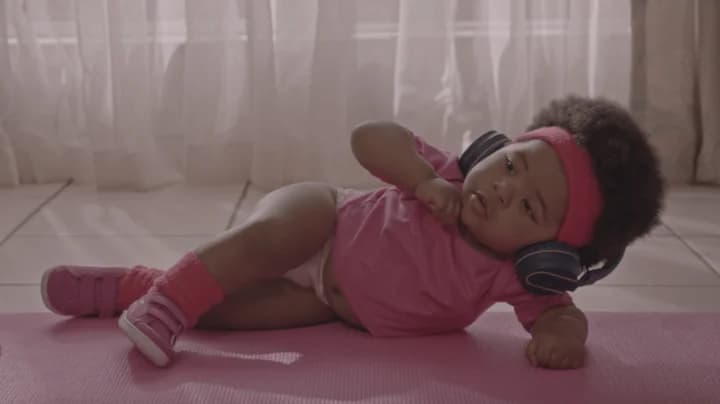

The World's First Baby Marathon
Content CreationOgilvy turned the fact that mobile babies cover over three kilometres a day into an online Baby Marathon between four tracker-equipped babies for Huggies.
Case in 60 seconds
People do not think of babies as very active, so the comfort, fit and mobility benefit of Huggies was easy to overlook.
Once babies can crawl and walk they cover a lot of ground, over three kilometres a day, which makes the case for a nappy built for movement.
Turn that mobility into a competition, the World's First Baby Marathon, and let fans follow it online.
Ogilvy pitted four babies against each other, with distance tracked, and packaged the race so audiences could follow the battle online to see which baby won.
The source reports four competing babies and the over-three-kilometres-a-day insight but frames the work as an online-followed event rather than a media-reach story. Figures are self-reported and not independently verified here.
Strategy Breakdown
Creative & Execution System
Assets & channels
- Online-followed Baby Marathon race
- Distance-tracking device fitted to the product
Partners
- Ogilvy
Participation mechanic
- Fans could follow the babies' race online to see which one took home the prize
Creator role
- Not disclosed
Why Ogilvy's strategy worked
- 1
A relatable insight about how far babies move made an easily ignored product benefit concrete.
- 2
Framing the benefit as a competition gave parents an entertaining, watchable reason to engage.
- 3
The online-follow mechanic encouraged people to return and see who was winning.
- 4
A physical tracking device tied the entertainment directly back to the mobility claim.
Results
10M+
Views
5M+
Impressions
20K+
New followers
Results
51.7M+
Total views
2.9M+
Interactions
17.7%
Engagement rate