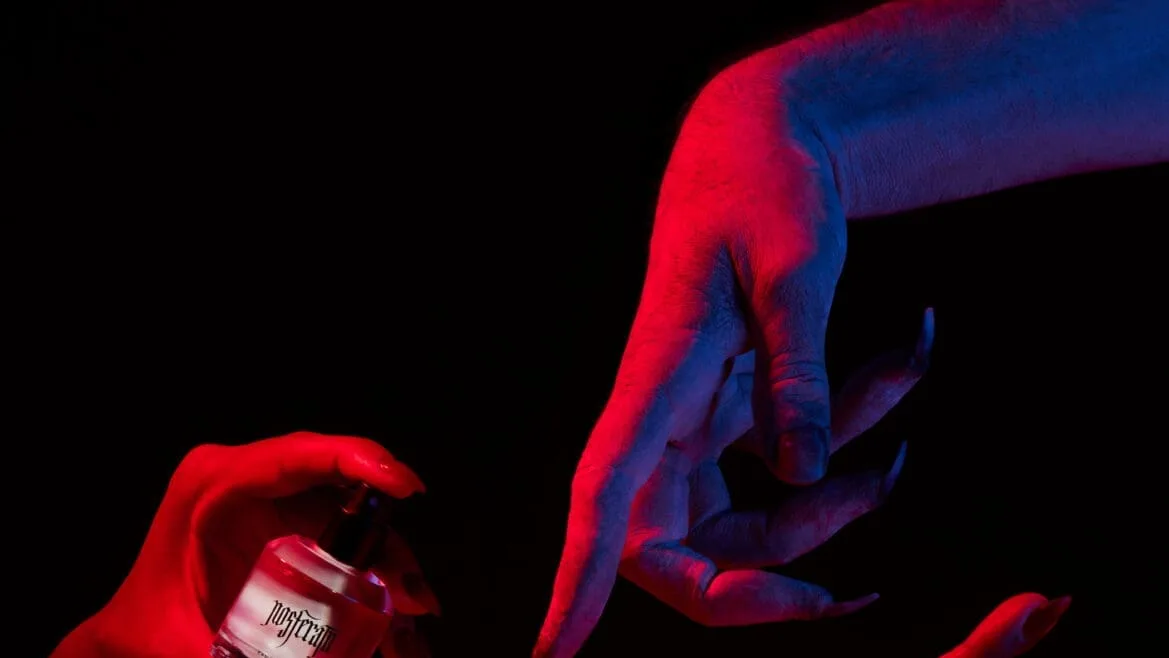
How Heretic Turned a Viral Nosferatu Scent Moment Into a Scalable Creator-Led Commerce Engine
Joybyte rebuilt Heretic's TikTok Shop affiliate program around the viral Nosferatu fragrance moment, recruiting and re-engaging creators to support seasonal launches, with the agency reporting 10,000+ Units Sold.
Case in 60 seconds
Heretic's Nosferatu fragrance generated viral attention and a surge in demand on TikTok Shop, but Joybyte states that virality creates an opportunity rather than a growth system, leaving demand tied to one product moment.
The campaign appears to turn on the reading that creators repeat for reasons rather than for reach, so seasonal moments, exclusives and culturally loaded product stories were needed to keep participation alive once the spike faded.
Joybyte shifted the objective from chasing a second viral hit to systematically creating more chances for one, treating an enlarged affiliate base and repeat creator participation as the thing that produces breakout content.
New creators were recruited and existing partners re-engaged through relationship-driven workflows, with campaigns organized around gothic beauty, dark luxury and identity-driven storytelling, and high-performing creator narratives amplified through TikTok Shop affiliates and GMV Max.
Joybyte reports 10,000+ Units Sold and states that creator participation remained strong despite early operational challenges, with affiliate growth and seasonal storytelling sustaining momentum beyond the initial launch window.
Strategy Breakdown
The primary strategy-learning section — interpretation, not a press-release summary.
Creative & Execution System
Assets & channels
- TikTok Shop
- affiliate assets
- creator content
- video
Partners
- Joybyte (lead_agency)
Creator role
- TikTok Shop affiliates
- affiliates
- new and re-engaged creator partners
Results & Evidence
| Metric | Value | Result type |
|---|---|---|
| units sold | 10,000+ Units Sold | revenue |
Why Joybyte's strategy worked
- 1
A viral product moment converts into sustained sales only where the creator base is enlarged and re-contacted deliberately, because the creators who carried the spike stop posting once the occasion that prompted them passes.
- 2
Paid amplification is safer applied to creator narratives that have already earned audience response, since the spend then scales an observed result rather than a hypothesis about which angle might work.
- 3
Seasonal moments and exclusives function as content prompts rather than merchandising decisions, because they give affiliates a dated reason to post again without the brand having to launch a new product each time.
- 4
Briefing creators on identity themes such as gothic beauty and dark luxury travels further than product features, because each creator can restate the theme in the terms their own audience already uses.
Results
4150
Revenue
2.3M
Impressions
2.1M
Video views


Results
70
Creators
149.2k
Video views
48
Fully licensed assets