
ASICS Eternal Run
Influencer MarketingEdelman staged a finish-line-free race on the Bonneville Salt Flats to prove ASICS GLIDERIDE's energy-saving benefit, generating 1.7 billion earned reach.
About the campaign
ASICS was losing credibility with serious runners as rivals once associated more with fashion made technological advances, and sales were declining; the launch of the GLIDERIDE shoe and its energy-saving GUIDESOLE technology needed proof, not claims. Edelman's insight inverted running culture itself: the finish line, the thing the category celebrates, can hold runners back, so the agency removed it.
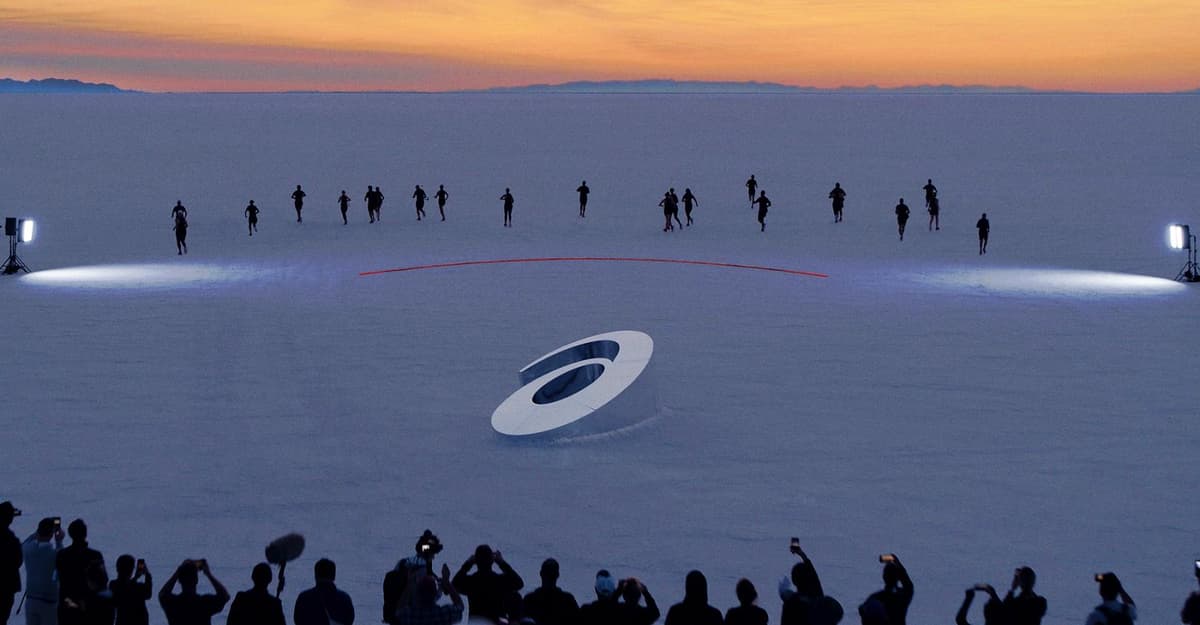
The Eternal Run, staged in 2019 on the featureless Bonneville Salt Flats in Utah with production partner UNIT9, was a race with no finish line in which roughly 22 to 23 athletes, influencers and journalists competed only against their own baseline pace, tracked by smartwatch and oxygen straps with no knowledge of their time or distance, while sports scientists monitored live physiological data from a fully equipped basecamp. Casting media as participants rather than observers was the distribution strategy: first-person storytelling from the salt flats, supported by a two-minute media film, a one-minute brand film and a 10-minute documentary, carried the campaign across key markets with zero paid media.
ASICS and Edelman report 1.7 billion earned reach, 71 percent of runners exceeding their predicted distance in the shoe, 82 percent of surveyed runners holding a more positive opinion of ASICS and 81 percent purchase intent, and the campaign won the Cannes Lions Grand Prix in Entertainment Lions for Sport in 2021.
Case in 60 seconds
ASICS was losing credibility with serious runners as competitors perceived as more innovative gained ground, and sales were declining. The brand needed to reassert performance leadership at the launch of its new GLIDERIDE shoe.
Most running campaigns celebrate whoever crosses the finish line first. Edelman argued that the finish line itself can hold runners back from their true potential, and that removing it reframes the act of running as competition against oneself.
A race with no finish line, staged on the featureless Bonneville Salt Flats in Utah, where runners competed only against their own baseline pace wearing GLIDERIDE, creating a live, measurable demonstration of the shoe's energy-saving GUIDESOLE technology.
Edelman and production partner UNIT9 built a fully equipped pop-up basecamp on the salt flats with training zones, recovery areas and a real-time digital map. Roughly 22 to 23 athletes, influencers and journalists ran against their own baselines, tracked by smartwatch and oxygen-level straps monitored by sports scientists on large screens. A live broadcast covered the event for a large global media audience using drones, off-road vehicles and remote crews across the salt flats. Assets produced included still images, a two-minute media film, a one-minute brand film and a 10-minute documentary.
ASICS and Edelman reported 1.7 billion earned reach on zero paid media spend, 82% of surveyed runners in key markets held a more positive opinion of ASICS, and 81% reported purchase intent. The campaign won a Cannes Lions Grand Prix in the Entertainment Lions for Sport in 2021.
Strategy Breakdown
Creative & Execution System
Assets & channels
- Live event on the Bonneville Salt Flats, Utah
- Real-time digital map and large-screen data display at basecamp
- Drone, off-road vehicle and remote crew broadcast for a large global media audience
- Still image library
- Two-minute media film
- One-minute brand film
- 10-minute documentary
- YouTube distribution
- Earned media and PR outreach across key markets
Partners
- Edelman (lead creative agency)
- UNIT9 (production company, London, Los Angeles and Poland offices)
- Edelman DXI (brand measurement study)
Participation mechanic
- Each runner assigned a personal baseline pace
- Runners tracked by smartwatch and oxygen-level strap with no knowledge of their own time or distance
- Discreet recall from basecamp if pace dropped below baseline more than three times
- Sports scientists monitored live physiological data on large screens
- Journalists and influencers participated as runners and drove their own outreach immediately after the event
Creator role
- Athletes, influencers and journalists acted as participants rather than observers
- Participants drove first-person earned coverage across markets post-event
- No paid amplification of creator content
Results & Evidence
| Metric | Value |
|---|---|
| Earned Reach | 1.7 billion |
| Runners With More Positive Opinion | 82% |
| Believe ASICS Is Reinventing Running | 80% (+23 points) |
| Would Choose ASICS Over Others | 70% (+17 points) |
| Purchase Intent | 81% |
| Ran Further Than Predicted | 71% |
Awards & Recognition
| Award show | Year | Category | Result |
|---|---|---|---|
| Cannes Lions | 2021 | Entertainment Lions for Sport — Grand Prix | Grand Prix |
| D&AD | Not specified in sources | Not specified in sources | Winner (category and year not disclosed in package) |
| The Drum | Not specified in sources | Best Brand Experience & Event | Winner (year not disclosed in package) |
Why Edelman's strategy worked
- 1
Turning a product claim into a live, measurable test gave journalists credible, first-hand evidence to report rather than a brand assertion to relay. Sports scientists monitoring live physiological data on large screens made the energy-saving claim observable in real time.
- 2
Removing the finish line gave the GUIDESOLE energy-saving technology a clear, legible stage. The featureless terrain of the Bonneville Salt Flats removed visual markers of progress, making the internal experience of running further than expected the whole point of the event.
- 3
Casting journalists and influencers as participants rather than observers generated first-person storytelling that Edelman distributed through earned channels rather than paid media, keeping the coverage tone credible and personal across multiple markets simultaneously.
- 4
Building a measurement layer, in this case a brand study run by Edelman DXI alongside the sports-science monitoring, produced both proof of the product claim and effectiveness data. This gave the campaign a defensible basis for its reported perception and intent shifts as well as a clear award-entry narrative.
- 5
An earned-first model scales only when the creative device is strong enough to generate coverage independently. The Eternal Run concept produced 1.7 billion reported reach at zero paid media spend, but that outcome depended entirely on the event being genuinely newsworthy to running journalists and sports media.
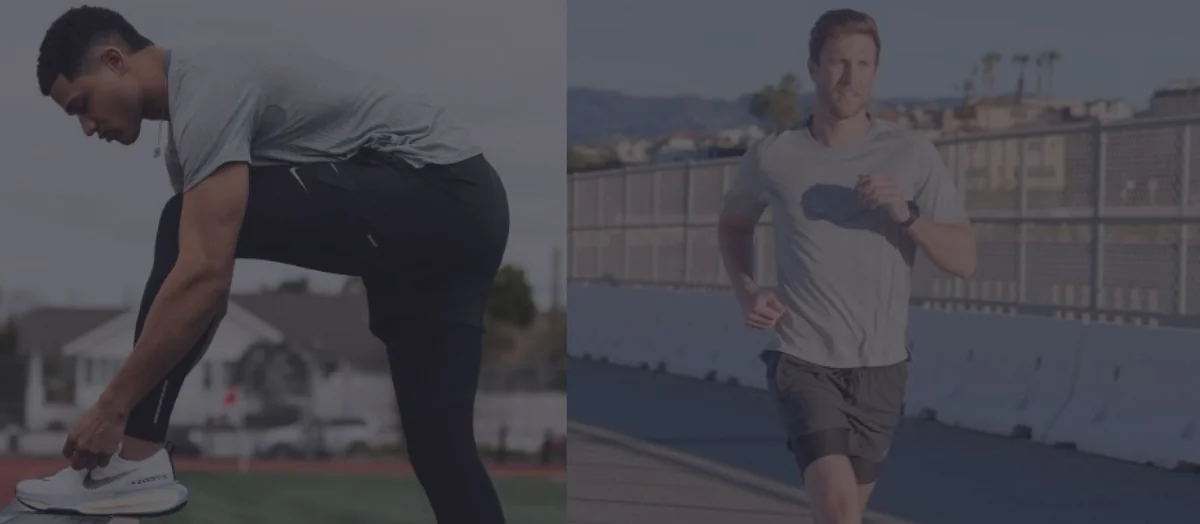
Results
9.8%
Video view rate
7.38%
Add-to-wishlist rate
50%
Macro vs micro conversion lift
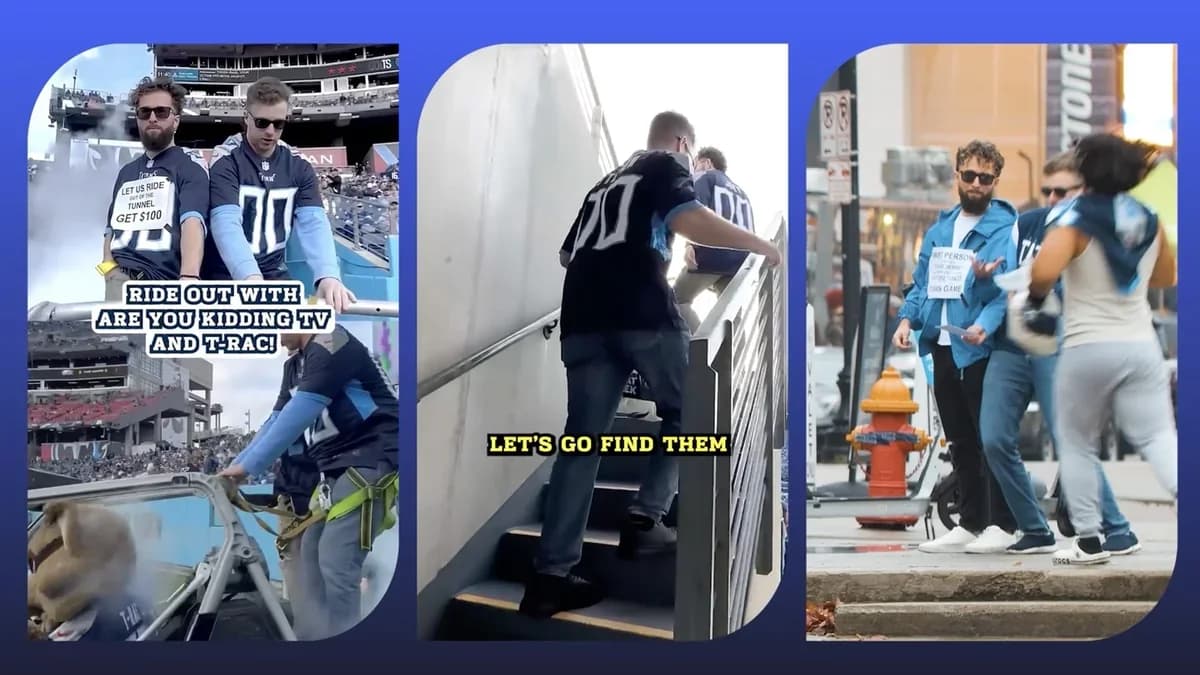
Results
22
Nfl teams
24
Games covered
23
Campaign weeks
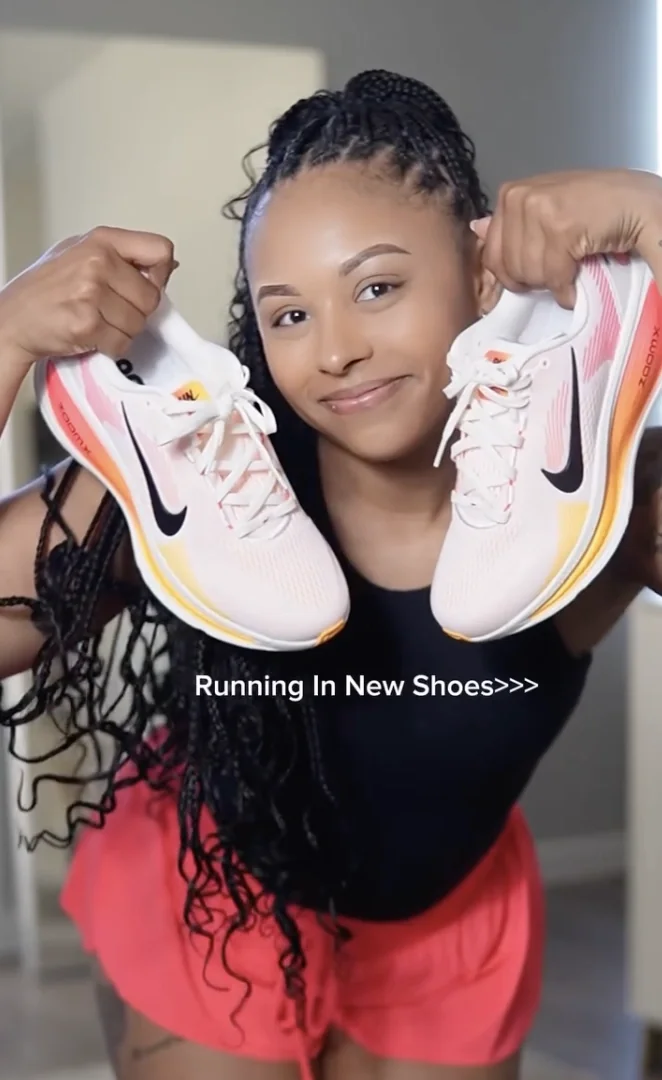
Results
7.5%
Engagement
13M
Impressions
450%
Product search spike