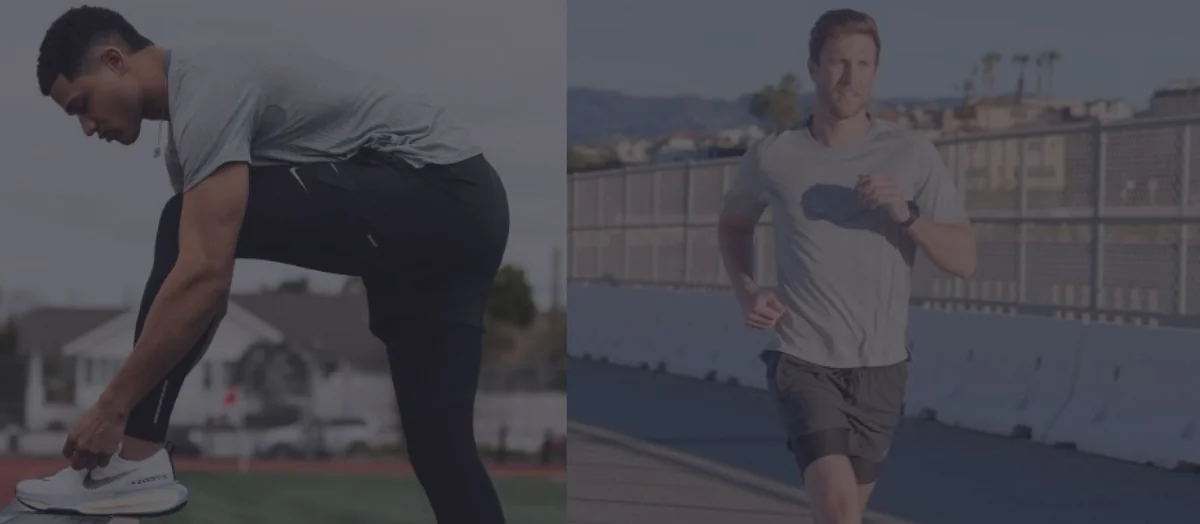

Nike x Collectively: Boosting Sales with Strategic Activations
Influencer MarketingCollectively used tiered influencer video content to drive measurable add-to-wishlist actions for the Nike INVINCIBLE running shoe launch, reporting a 7.38% wishlist rate against a 1.23x benchmark.
About the campaign
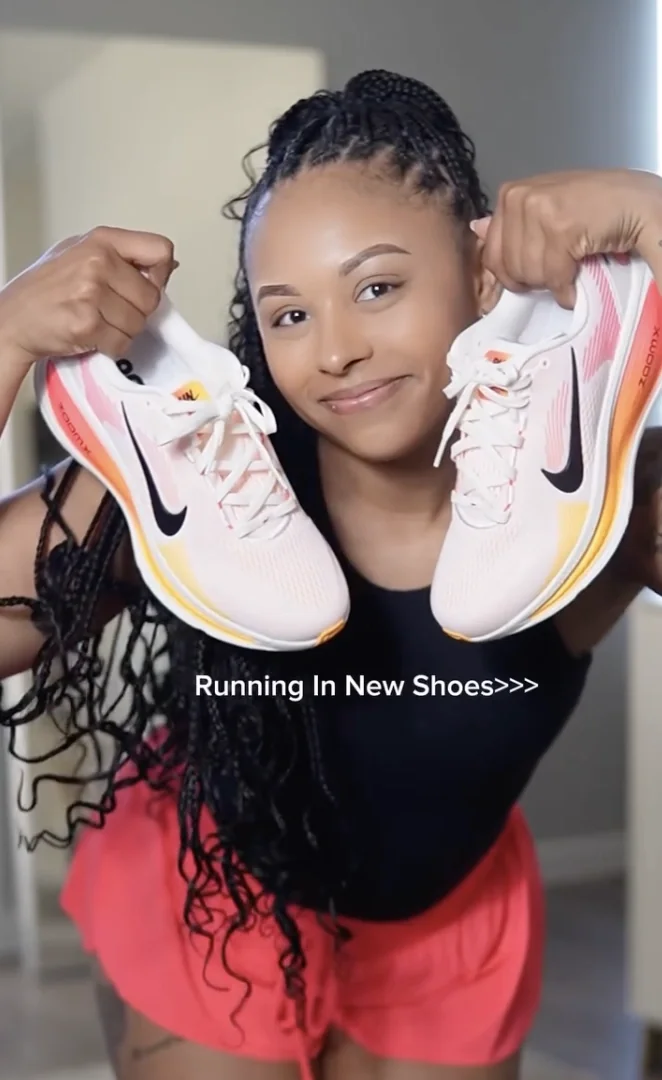
Running shoe launches live in a crowded influencer environment where impressions are easy to generate but purchase intent is hard to produce at scale, and Nike needed its INVINCIBLE launch to deliver both awareness and a measurable lower-funnel action in a single campaign. Collectively's strategic anchor was audience-to-creator affinity: the agency built the roster around consumer influencer archetypes matched to Nike's buyer profile, then assigned each tier a distinct funnel job, with macro influencers tasked with driving conversion and micro influencers extending reach.
Thirty-three creators across both tiers produced video content carrying native product tags and direct calls to action pointing to Nike's shop page, letting viewers move from content to the purchase path without leaving the platform and treating add-to-wishlist actions as a concrete, trackable proxy for intent. Performance was tracked by archetype to identify which creator profiles produced the most purchase activity.
Collectively reports the campaign reached six times its impressions goal with a 9.8 percent video view rate and a 7.38 percent add-to-wishlist rate against a stated 1.23x benchmark, with macro influencers outperforming micros on conversion by 50 percent and the archetype approach generating what the agency describes as thousands of dollars in demand. All figures are agency self-reported.
Case in 60 seconds
Nike needed to generate both awareness and measurable purchase consideration for the INVINCIBLE running shoe in a single influencer-led campaign, requiring audiences to take a deliberate lower-funnel action rather than passively consuming content, according to Collectively's case study.
Audience-to-creator affinity, built around consumer influencer archetypes matched to Nike's buyer profile, could concentrate purchase intent among people already predisposed to act, as framed in Collectively's case study.
Assign macro and micro influencers to distinct funnel objectives — macros to drive conversion, micros to extend reach — and track performance by consumer archetype to identify which creator profiles produce the most purchase activity, per Collectively's case study.
Thirty-three influencers across both tiers produced video content with native product tags and direct calls to action pointing to Nike's shop page, reducing friction between content consumption and the purchase path, as described in Collectively's case study.
Collectively reports the campaign reached six times its impressions goal, posted a 9.8% video view rate, and achieved a 7.38% add-to-wishlist rate against a stated benchmark of 1.23x, with macro influencers outperforming micro influencers on conversion by 50%, per Collectively's case study. All figures are agency self-reported and have not been independently verified.
Strategy Breakdown
Creative & Execution System
Assets & channels
- Influencer video content with native product tags (Instagram and TikTok formats inferred; platforms not explicitly named in source material)
- In-video calls to action linking to Nike's shop page
Partners
- Collectively (influencer campaign management and content creation)
Participation mechanic
- Product tagging within influencer video posts to reduce path-to-purchase friction
- Direct calls to action prompting viewers to visit Nike's shop page
- Archetype-based influencer selection matched to Nike's buyer profile
Creator role
- Macro influencers assigned to lower-funnel conversion objectives
- Micro influencers assigned to reach extension
Results & Evidence
| Metric | Value |
|---|---|
| Impressions Goal | 6x |
| Video View Rate | 9.8% |
| Add-to-Wishlist Rate | 7.38% |
| Add-to-Wishlist Benchmark | 1.23x |
| Macro vs Micro Conversion Lift | 50% |
Why Collectively's strategy worked
- 1
Assigning macro and micro influencers to distinct funnel objectives, rather than treating tier as a proxy for reach alone, appears to have concentrated conversion activity where it was most needed. Collectively's case study reports macro influencers outperformed micro influencers on conversion by 50%, suggesting that pairing larger audiences with direct calls to action and product tags can produce lower-funnel results.
- 2
Archetype matching — selecting influencers based on alignment with Nike's buyer profile rather than audience size alone — is presented by Collectively as the mechanism that concentrated purchase intent among audiences predisposed to act. Tracking conversion by archetype post-campaign allows this hypothesis to be tested and refined.
- 3
Native product tagging within video content reduces the number of steps between content consumption and a wishlist or purchase action. By keeping the path to Nike's shop page within the platform, the campaign lowered activation cost for the desired lower-funnel behaviour, per Collectively's case study.
- 4
Setting a specific conversion benchmark (1.23x add-to-wishlist) before the campaign ran gave the agency and client a meaningful reference point for evaluating the 7.38% result. Without a pre-stated baseline, a percentage figure of this kind would be difficult to contextualise, as noted in Collectively's case study.
- 5
A tiered roster of 33 influencers, split by objective rather than purely by scale, enabled the campaign to pursue both reach and conversion simultaneously without requiring either tier to serve a purpose it was not optimised for, per Collectively's case study.
Results
7.5%
Engagement
13M
Impressions
450%
Product search spike
Results
12M
Reach
29.4M
Impressions
498.4K
Interactions