
Recycle Me
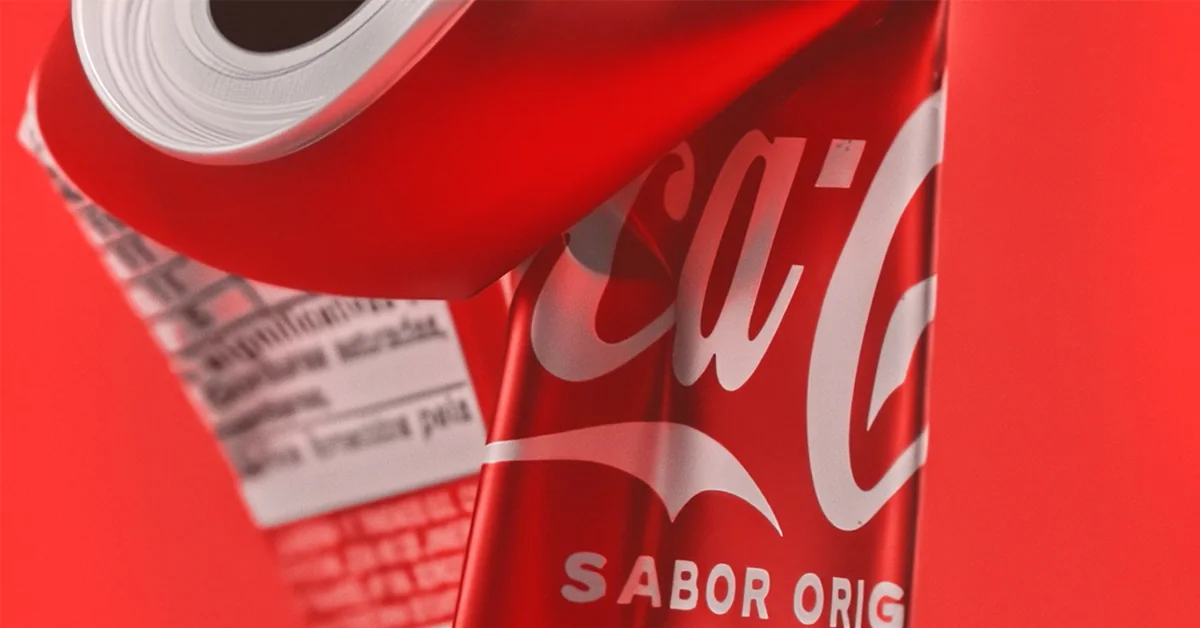
Content CreationOgilvy turned crushed Coca-Cola cans into out-of-home art, with the 'Recycle Me' line lifted straight from the can, to make recycling feel personally relevant.
Case in 60 seconds
Recycling messaging is generic and easy to ignore, and Coca-Cola wanted people to actually recycle their can after finishing a Coke.
The instruction to recycle was already printed on the side of every can, and a crushed can visibly distorts the world's most recognised logo.
Photograph cans crushed in different ways so each distorted logo becomes a unique execution, captioned with the can's own 'Recycle Me' line.
The images ran as out-of-home advertising under WPP Open X, led by Ogilvy New York, with each crush producing a distinct version of the logo.
The source reports no campaign metrics but names a Cannes Lions Gold; independent Cannes Lions 2024 coverage records a Print & Publishing Grand Prix and multiple Gold Lions.
Strategy Breakdown
Creative & Execution System
Assets & channels
- Out-of-home advertising executions
- Multiple unique crushed-can logo images
- Copy reused from on-pack text
Partners
- Ogilvy (WPP Open X led by Ogilvy New York)
Participation mechanic
- None; the work is a broadcast out-of-home creative rather than a participation mechanic
Creator role
- Not disclosed
Why Ogilvy's strategy worked
- 1
Reusing wording already printed on the pack let the campaign prompt behaviour without introducing new or contestable claims.
- 2
Distorting a globally recognised logo made an abstract instruction feel concrete and personal.
- 3
Producing many unique crushed-can executions gave the idea range across out-of-home placements.
- 4
A single, ownable visual device carried the message with almost no copy.
Results
10M+
Views
5M+
Impressions
20K+
New followers

Results
51.7M+
Total views
2.9M+
Interactions
17.7%
Engagement rate