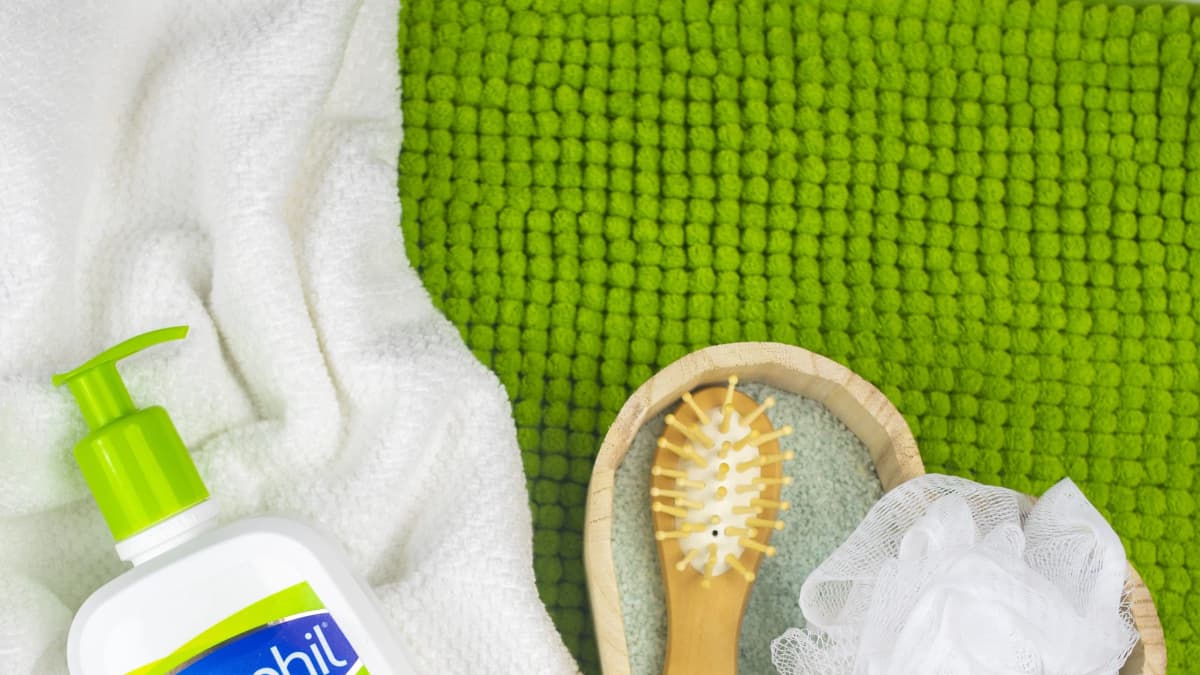

Cetaphil: Solving the Problem of Sensitive Skin
Richmond & Towers built a dermatologist-led PR and influencer programme for Cetaphil that the agency credits with +11% in the 2 weeks following the Dr Psomadikis YouTube episode.
Case in 60 seconds
Cetaphil needed to be the go-to cleanser for sensitive skin in what the page calls a fiercely competitive market, which meant driving awareness, building trust and accelerating sales at the same time.
The campaign appears to turn on the observation that consumers increasingly consult professionals before buying skincare, so an endorsement dermatologists give in daily practice carries weight that a brand claim about sensitivity cannot.
Rather than argue the sensitive skin case in brand voice, the work handed it to the skin experts who already recommend the products, using their credibility as the platform for Cetaphil's own expertise.
Dr Cristina Psomadakis produced guidance on identifying symptoms of skin sensitivity and appeared in a segment on Superdrug TV's YouTube channel, while Dr Justine Kluk built a sensitive skincare routine around the Cetaphil range including the cleanser. Both ran content creation and social-first storytelling on their own channels, supported by digital PR and instore POS carrying the same expert-led narrative.
Richmond & Towers reports a sales uplift of +11% in the 2 weeks following the Dr Psomadikis YouTube episode, earned media in British Vogue, The Sun, Refinery 29 and Closer at 128m+ reach, and 307k+ reach via dermatologists and press/influencers.
Strategy Breakdown
Creative & Execution System
Assets & channels
- YouTube
Partners
- Richmond & Towers Communications
Creator role
- Dr Cristina Psomadakis — creator
- Dr Justine Kluk — creator
Results & Evidence
| Metric | Value |
|---|---|
| Earned Media Reach | British Vogue, The Sun, Refinery 29, Closer - 128m+ reach |
| Earned Social Reach | 307k+ reach via dermatologists and press/influencers |
| Sales Uplift | +11% in the 2 weeks following the Dr Psomadikis YouTube episode |
Why Richmond & Towers Communications' strategy worked
- 1
Professional credentials function as a targeting asset as much as a trust asset, because a dermatologist's audience arrives already sorted for skin concern rather than for lifestyle affinity.
- 2
Splitting two experts across diagnosis and routine gives a category with a long consideration path two entry points, which lets one partner meet symptom searches while the other meets product searches.
- 3
A single broadcast-scale placement can be isolated as a sales driver where a retailer's own channel carries it, since the retail media window narrows the gap between the content and the purchase.
- 4
Carrying the same expert-led narrative into instore POS extends an earned-media message to the shelf, which is where a sensitive skin decision is finally made rather than where it is formed.

Results
51.7M+
Total views
2.9M+
Interactions
17.7%
Engagement rate

Results
10M+
Views
5M+
Impressions
20K+
New followers