

Shop. Buy. Sell. (CarGurus influencer campaign)
Influencer MarketingThe Goat Agency reports 17 creators on Instagram, TikTok and YouTube drove 53K leads and 5M engagements for CarGurus, 142% over the impression target.
About the campaign
Heineken's new ready-to-drink cocktail Rum Stripe risked feeling generic in a crowded RTD market and losing the cultural credibility parent brand Red Stripe had built over decades in UK Caribbean, grime and dance music communities, where a spin-off launched carelessly could read as a corporate cash-in. Heineken's first-party data showed the core audience was young, culturally engaged Londoners shaped by music, nightlife and fashion, people for whom nights out and music events are the cultural moments that matter, so the launch had to be a real night out worth sharing, not an ad.
The idea launched the drink inside its own culture: The Rum Stripe Corner Shop, a recreated London corner shop with props from Ridley Road market, fitted with a DJ booth, a dance floor and fridges stocked with Rum Stripe and Red Stripe. Over 100 creators, artists and journalists attended, with sets from D Double E, Sir Spyro and Tiffany Calver. Afterwards, 26 influencers ran always-on Instagram and TikTok content covering nights out, DJ mixes, New Year celebrations and a trainer giveaway, refined in real time via social listening and retargeting.
Staging the launch inside the parent brand's existing culture let the extension inherit credibility, and a single physical event seeded months of always-on content. Per trade press, the campaign drew over 1.2m organic views and 40,000 engagements, and the agency reports a Shorty Awards finalist spot for Best Launch Campaign. All headline figures are agency-reported: The Media Leader corroborates the mechanics and Goat's role but its numbers come from the agency, no sales or brand-lift data is available, and the Shorty claim appears only on the agency's page.
Case in 60 seconds
CarGurus wanted brand awareness and direct site leads from social media, without speaking into an echo chamber of existing automotive enthusiasts, and at better cost efficiency than its previous campaigns.
Audiences outside the car category offered crossover reach. The agency's Ibex technology identified VFX creators as a strong crossover audience alongside automotive and lifestyle niches.
Split the campaign into upper-funnel and lower-funnel strands, each with its own creative brief, fronted by creators from three different niches.
17 influencers on Instagram, TikTok and YouTube with a combined 32.4M following, amplified with influencer-led paid media, lookalike audiences built from CarGurus first-party data, and retargeting of engaged users.
The agency reports 53K leads to the CarGurus website, 5M engagements, delivery 142% over the contracted impression target, and a lower CPM than previous CarGurus campaigns. No figures are independently verified.
Strategy Breakdown
The primary strategy-learning section — interpretation, not a press-release summary.
Creative & Execution System
Assets & channels
- Creator posts on Instagram
- Creator posts on TikTok
- Creator videos on YouTube
- Influencer-led paid media with lookalike and retargeting audiences
Partners
- The Goat Agency
- 17 influencers including Thandibadger, Drake Moschkau and HappyKelli
Participation mechanic
- Creator content driving traffic and leads to the CarGurus website
- Retargeting of users who engaged with campaign content
Creator role
- Automotive enthusiasts, lifestyle creators and VFX creators fronted distinct upper-funnel and lower-funnel briefs
Results & Evidence
| Metric | Value | Result type |
|---|---|---|
| Impression overdelivery | 142% | Media delivery |
| Engagements | 5M | Engagement |
| Leads | 53K | Lead generation |
Why The Goat Agency's strategy worked
- 1
Cross-niche creator selection, pairing automotive voices with lifestyle and VFX creators, took the brand beyond the car-enthusiast echo chamber it wanted to avoid.
- 2
Data-led selection surfaced a non-obvious audience: the VFX creator niche came from Ibex analysis rather than category convention.
- 3
Splitting the campaign into upper-funnel and lower-funnel strands with separate briefs let one program carry both awareness and lead-generation goals.
- 4
Paid amplification built on the client's first-party data, with retargeting of engaged users, is what converted creator attention into reported site leads.
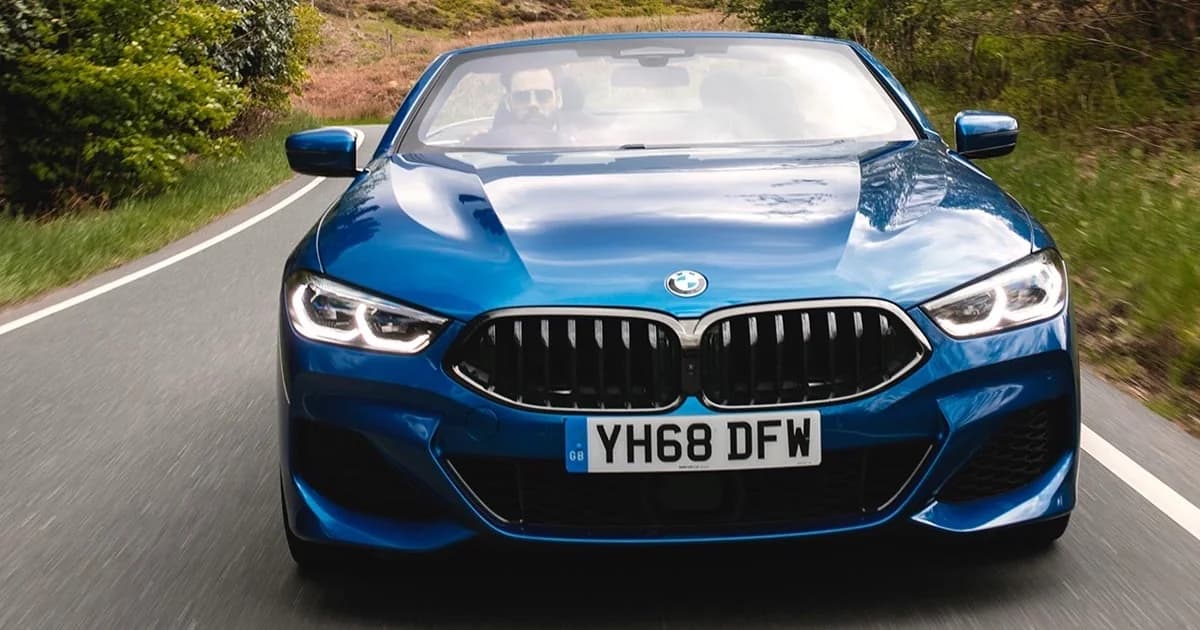

Results
+48.7M
Total views impressions
132%
Above benchmark reel view rate
118%
Gold delivery reach against target
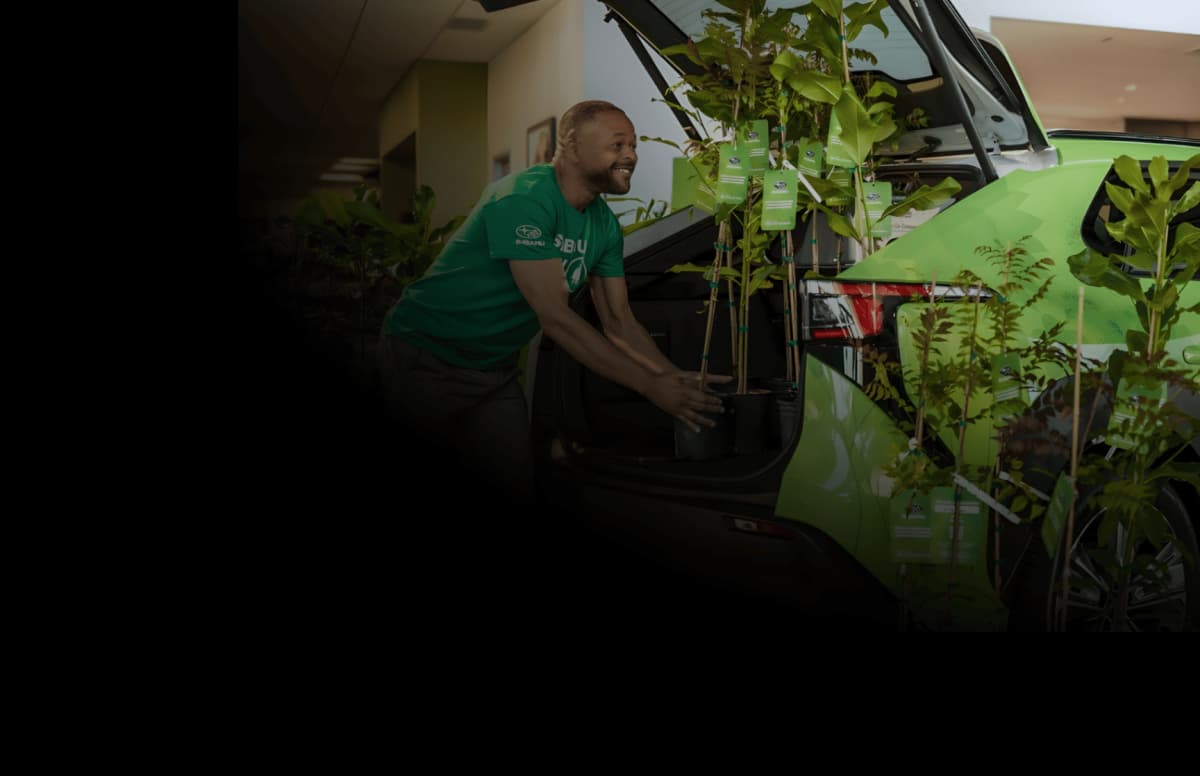
Results
+18.9M
Total views
16.2K
Total clicks
+999.4K
Total engagements