ASUS: l'influence marketing pensée jusqu'au moindre pixel
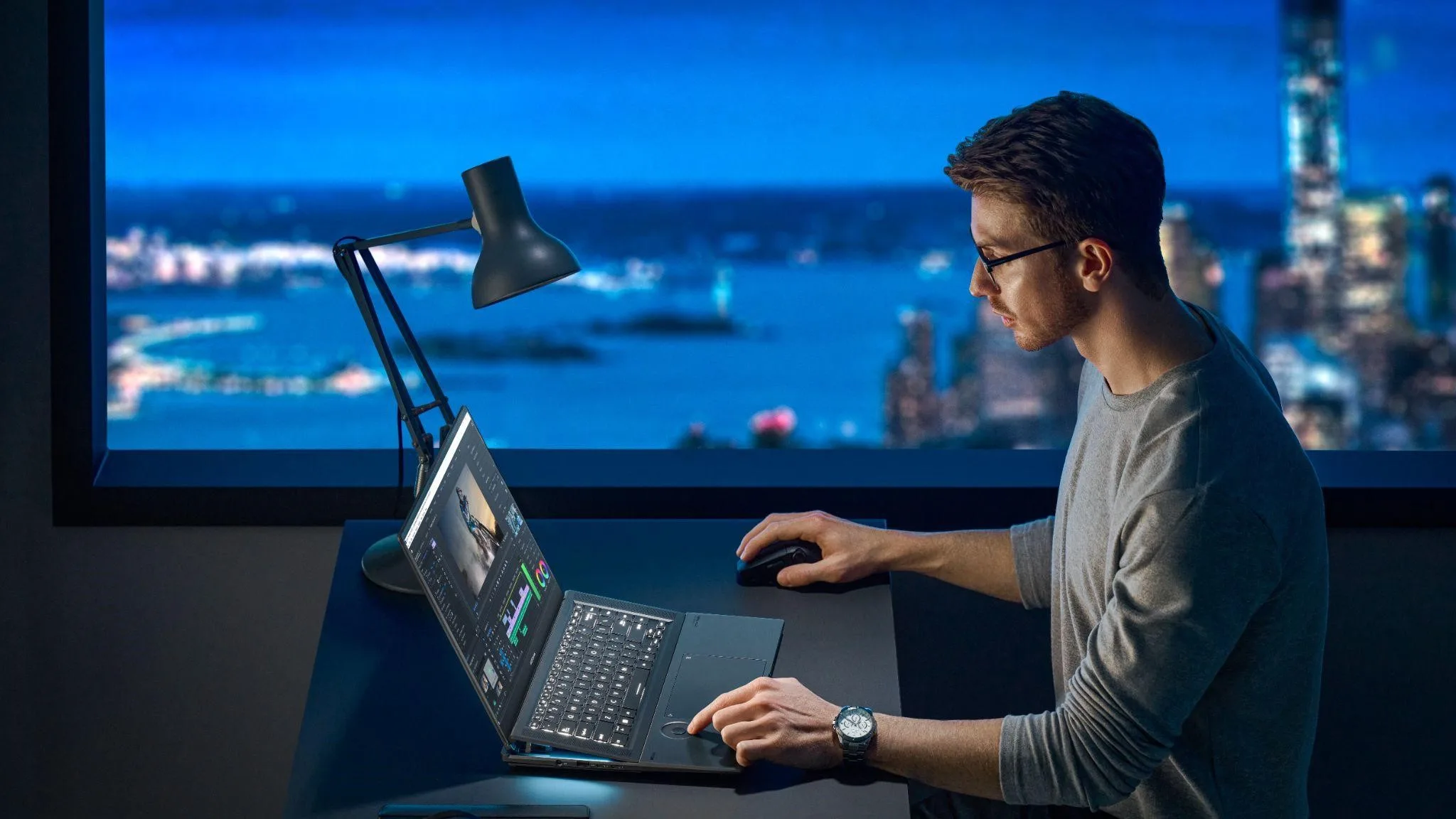
The Node Agency ran creator campaigns for ASUS laptops and monitors across the US, United Kingdom and Canada, activating 100+ créateurs and reporting 12M+ de vues sur les Réseaux Sociaux.
Case in 60 seconds
ASUS entrusted The Node Agency with laptops, monitors and other products across the US, United Kingdom and Canada, so a single hardware range had to be introduced credibly to creators working in three separate markets.
The campaign appears to turn on the view that hardware endorsements survive audience scrutiny only when the creator has used the product first, because a scripted message about a laptop reads as a placement while an opinion formed during testing reads as the creator's own.
The organising thesis was that the best products deserve the best creators and that every touchpoint in the relationship between creator and product should be planned, so the work was built as content creators would want to make rather than as content they were briefed to deliver.
The Node Agency orchestrated each moment from unboxing onward, sending ASUS products to creators in advance so they could test them and speak about what they actually liked, with no script and no imposed message and full creative freedom so each integration fitted the creator's own artistic direction and resonated with their community.
The Node Agency reports 34 produits promus, 83 produits envoyés aux créateurs, 100+ créateurs activés and 12M+ de vues sur les Réseaux Sociaux, with the seeding volume and the reach reported side by side and no breakdown by market.
Strategy Breakdown
The primary strategy-learning section — interpretation, not a press-release summary.
Creative & Execution System
Assets & channels
- unboxing
Partners
- The Node Agency (lead_agency)
Creator role
- 100+ créateurs activés
Results & Evidence
| Metric | Value | Result type |
|---|---|---|
| creators activated | 100 + Créateurs activés | creators_count |
| products promoted | 34 Produits promus | performance |
| products sent to creators | 83 Produits envoyés aux créateurs | creators_count |
| social media views | 12M + De vues sur les Réseaux Sociaux | video_views |
Why The Node Agency's strategy worked
- 1
Seeding product before any brief converts the creator into a user first, which is what allows an unscripted opinion to be offered at all, because a creator who has not handled the hardware has nothing to say that is not the brand's own copy.
- 2
Reporting products sent alongside creators activated makes the seeding cost legible against the output, since 83 produits envoyés aux créateurs and 100+ créateurs activés can be read together in a way a reach figure alone does not permit.
- 3
Handing over creative control appears to be treated here as the condition of the integration working rather than a concession to creators, because an integration that matches an existing artistic direction does not have to interrupt the feed to be noticed.

Results
10M+
Views
5M+
Impressions
20K+
New followers

Results
51.7M+
Total views
2.9M+
Interactions
17.7%
Engagement rate