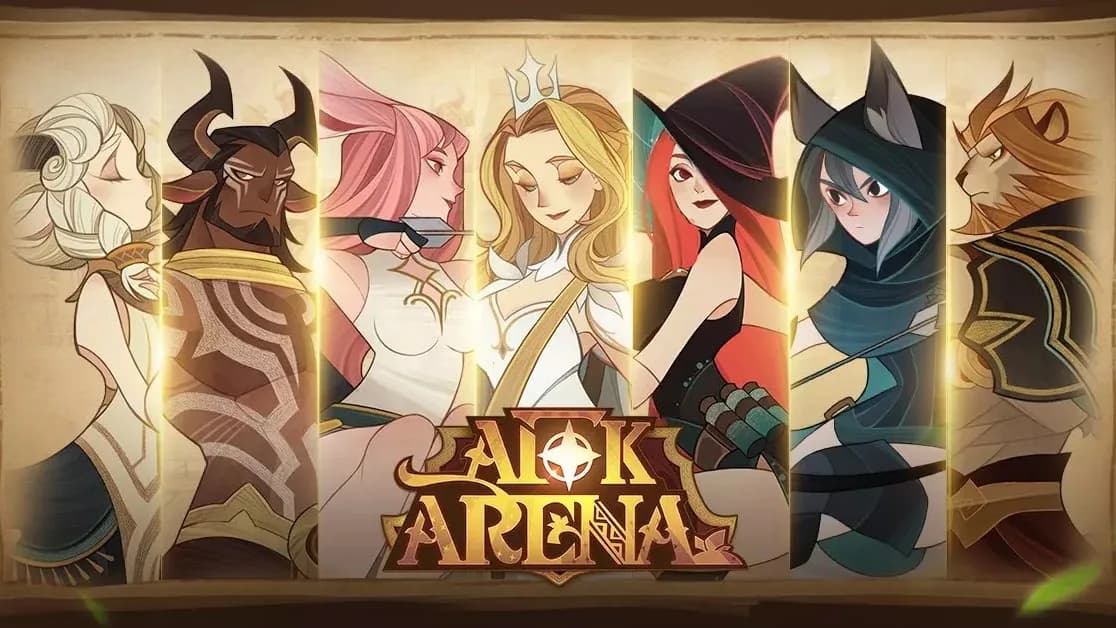

AFK Arena: How to Launch a Chinese Mobile Game in the US leveraging Gaming Influencers
Influencer MarketingCloutboost ran a six-influencer YouTube launch campaign for Lilith Games' AFK Arena in the United States, reporting YouTube Views: 15M+ (Lifetime) across the six video ads.
Case in 60 seconds
Lilith Games needed a Chinese-developed mobile title to break through a United States market the page puts at over 200 million mobile gamers, a crowding that Cloutboost describes as harder still for an Eastern developer launching in a Western market.
The campaign appears to turn on the Idle RPG format itself being the selling argument, because a game that rewards players while they are away suits the fragmented attention of casual mobile audiences rather than demanding the session length a core RPG expects.
Cloutboost built the whole campaign on YouTube rather than spreading across platforms, because video showed the game's graphics and mechanics and because YouTube placements keep reaching new viewers long after the release window.
Six YouTube macro-influencers, chosen for casual-gamer pull, mobile-game promotion history and True Reach, made six video ads in their own styles around per-influencer messaging on the Idle RPG format, with personalized branded codes tracking performance and an in-game item giveaway supporting downloads.
Cloutboost reports Google Play U.S. Launch: #13 in Free Games and App Store U.S. Launch: #26 in Free Games, with YouTube Views: 15M+ (Lifetime), Overall Reach: 20M+ and a results panel stating Total Reach 30M+.
Strategy Breakdown
Creative & Execution System
Assets & channels
- App Store
- Google Play
- YouTube
- YouTube video ads
Partners
- Cloutboost
Participation mechanic
- Viewers redeemed personalized branded codes carried by each influencer and entered a giveaway of in-game items, which Cloutboost states was implemented to lift conversion rate and downloads.
Creator role
- Brianna — creator
- Orange Juice Gaming — creator
- six YouTube macro-influencers
Results & Evidence
| Metric | Value |
|---|---|
| App Store Free Games Rank | App Store U.S. Launch: #26 in Free Games ( charting above Fortnite! ) |
| Google Play Free Games Rank | Google Play U.S. Launch: #13 in Free Games |
| Number of Influencers | # of Influencers 6 |
| Overall Reach | Overall Reach: 20M+ |
| Total Reach | Total Reach 30M+ |
| Total Views | Total # of Views 15M+ |
Why Cloutboost's strategy worked
- 1
Selecting on True Reach rather than subscriber totals reads as the load-bearing choice here, because a channel's share of active audience predicts whether a launch video converts while raw follower scale does not.
- 2
Concentrating a launch on one platform appears to trade breadth for durability, since Cloutboost frames YouTube placements as continuing to serve new viewers after release, which is what the lifetime view figure is presented to show.
- 3
Building messaging out of the product's own mechanic, a game that rewards absent players, gives creators a genuine talking point rather than a claim they must assert, which suits an audience that discounts promotional language.
- 4
Per-creator branded codes paired with a giveaway attach attribution to each placement while giving viewers a reason to act immediately, so chart position during the launch window becomes traceable to individual channels rather than to the campaign in aggregate.
Results
51.7M+
Total views
2.9M+
Interactions
17.7%
Engagement rate
Results
10M+
Views
5M+
Impressions
20K+
New followers