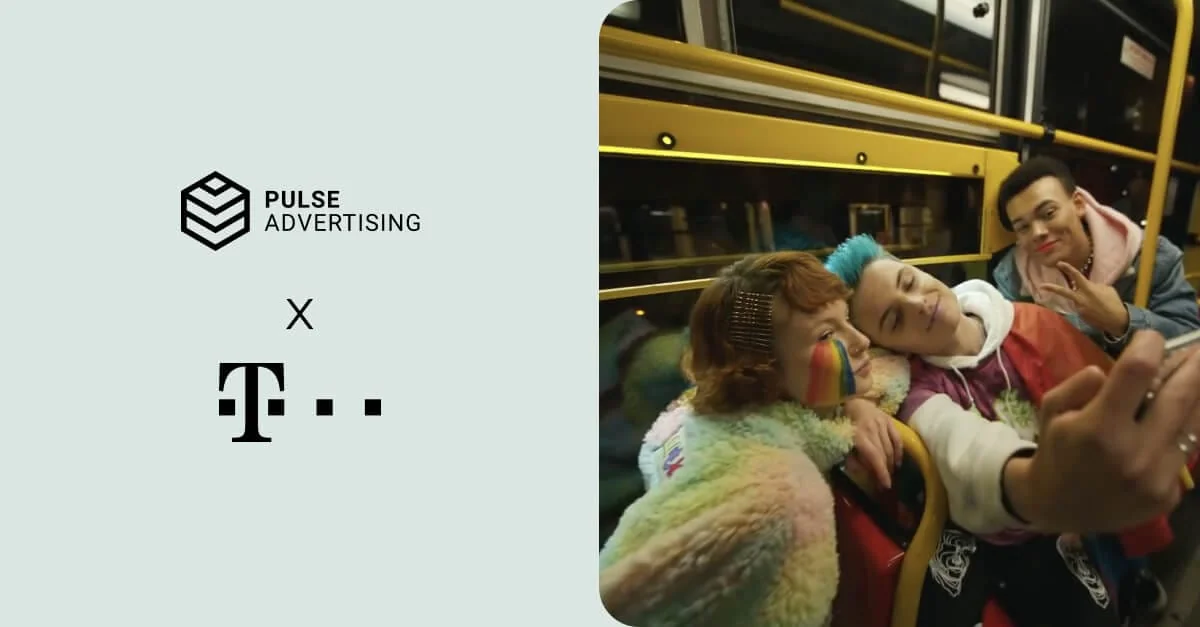

Deutsche Telekom #WhatWeDoNext
Influencer MarketingPulse Advertising ran the international #WhatWeDoNext influencer campaign for Deutsche Telekom, built around a Billie Eilish video and a face filter challenge aimed at Gen Z.
Case in 60 seconds
Deutsche Telekom wanted to reach Gen Z internationally while that generation carries a negative stereotype of being screen-obsessed and disengaged with reality, which makes a technology brand speaking to it about screens a delicate position.
The campaign appears to turn on the idea that Gen Z answers its own stereotype best through what it builds, because showing young talents using their platforms for extraordinary things rebuts the screen-obsessed label rather than arguing with it.
#WhatWeDoNext showcased inspiring and diverse Gen Z talents shaping a better future with technology, so the campaign positioned the generation's screen time as a source of contribution rather than as evidence of disengagement.
A video starring Billie Eilish championed 6 Gen Z influencers doing extraordinary things with their platforms, while Deutsche Telekom launched the #WhatWeDoNext face filter challenge to activate digital communities, with the agency listing 10 international influencers, 6 Collective members and 122 posts.
Pulse Advertising describes the centre-piece video as viral, while the only figures the page prints are 10 international influencers, 6 Collective members and 122 posts, which record the scope of the work rather than what it returned.
Strategy Breakdown
The primary strategy-learning section — interpretation, not a press-release summary.
Creative & Execution System
Partners
- Pulse Advertising (lead_agency)
Participation mechanic
- Deutsche Telekom launched the #WhatWeDoNext face filter challenge to activate digital communities, inviting the audience to take part in the campaign rather than only watch the video.
Creator role
- Billie Eilish — creator
Results & Evidence
| Metric | Value | Result type |
|---|---|---|
| international influencers | 10 International influencers | creators_count |
| Collective members | 6 Collective members | output |
| posts | 122 Posts | output |
Why Pulse Advertising's strategy worked
- 1
A brand addressing a generation's stereotype appears to gain credibility by casting young people whose own work disproves it, because the rebuttal then comes from the audience's peers rather than from the brand's own claims.
- 2
Pairing a celebrity-led video with a face filter challenge suggests a two-layer structure, in which the star draws attention to the message while the filter gives communities a way to take part rather than only watch.
Results
8M
Orders
4.9%
Conversion rate
30,300+
New membership signups