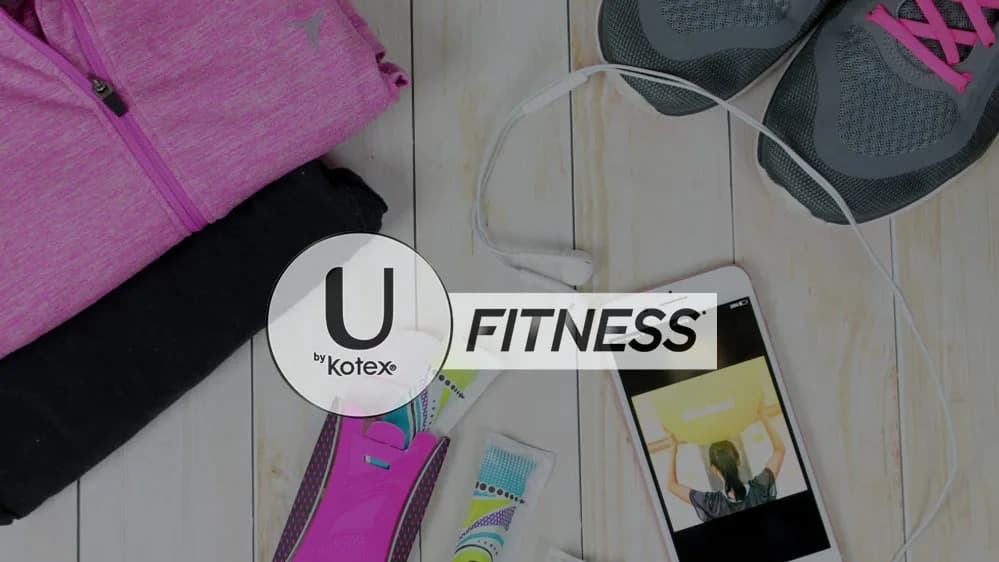

U by Kotex Fitness Walgreens Micro-Influencer Launch
Influencer MarketingLinqia connected hundreds of active micro-influencers with U by Kotex to drive Walgreens trial of the new Fitness line, reporting 23.1M potential impressions across their content.
About the campaign
U by Kotex Fitness launched at Walgreens with Linqia micro-influencers, whose content drove 23.1 million potential impressions. Kimberly-Clark built the Fitness line with a different shape and technology for active women. The brand needed education and authentic content to drive trial of a new product at Walgreens.
The agency connected U by Kotex with hundreds of micro-influencers across the US who exercise regularly. They explained the product's features, shape and protection technology to their followers. They posted in-store photography of the shelf location and shared a Dailybreak game for building virtual gym bags. The wider program also ran pre-launch television, paid social ads and an Ibotta cash back offer.
The agency reports that influencers created over 360 pieces of content, including blog stories, photographs, videos and social posts. That content earned 44,000 online engagements, 2X the program goal. Influencer-generated videos earned 46,000 views. Post analysis and attribution modeling ranked influencer marketing among the top two launch programs.
Case in 60 seconds
Kimberly-Clark was launching the U by Kotex Fitness line with a fundamentally different shape and technology, so women had to understand what the product did before they would try it at Walgreens.
Active women carry a real fear of leakage while working out on their period, so a protection claim lands harder from someone who exercises regularly than from a coupon or an advertisement.
Kimberly-Clark paired influencer education with an Ibotta cash back offer, because coupons had lost influence in feminine care and the brand wanted a new incentive that still sent shoppers into Walgreens.
Linqia recruited hundreds of US micro-influencers who exercise regularly; across blog stories, photos, videos and social posts they explained the product's shape and protection technology, photographed its Walgreens shelf and shared a Dailybreak gym bag game.
Linqia reports 23.1 million potential impressions, 44,000 online engagements at 2X the program goal and 46,000 video views, while post analysis and attribution modeling placed influencer marketing among the top two launch programs.
Strategy Breakdown
Creative & Execution System
Assets & channels
- Other
Partners
- Linqia
- Dailybreak
Participation mechanic
- Women could assemble a virtual gym bag in a game Kimberly-Clark created with Dailybreak, with U by Kotex as a key component, and could claim an Ibotta cash back offer to drive purchase.
Creator role
- Jessamyn Stanley
Results & Evidence
| Metric | Value |
|---|---|
| Potential Impressions | 23.1M potential impressions |
| Online Engagements | 44K+ |
| Engagements vs Goal | 2x the program goal |
| Video Views | 46K views |
| Content Pieces | 360+ |
Why Linqia's strategy worked
- 1
Where coupons have lost pull in a category, a cash back rebate carried by creator content gives shoppers a reason to buy that does not look like one more straight discount.
- 2
A new product format needs explaining before anyone will try it, so creators who live the use case can carry education that television and paid social ads cannot carry alone.
- 3
Photographing the exact shelf location shortens the step from post to purchase, because a follower who reaches the aisle already knows where the product sits and what the pack looks like.
- 4
Pointing every creator call to action at one retailer chosen for its pull with the target shoppers lets a launch win share of trial even while distribution is still ramping up.
Results
6.46M
Impressions
-60%
Cpm vs contracted
-70%
Cpa drop since launch


Results
+248
Content pieces
5.4M
Potential reach
3.91%
Engagement ratio