
Turning a Complex Sustainability Product Into a TikTok Shop Growth Engine
Joybyte built a creator-led TikTok Shop growth system for My-Cap, scaling affiliates and influencers into 4.2M video views and 3600 units sold.
Case in 60 seconds
My-Cap had a strong product but a complex story, and the sustainability solution demanded far more education than a typical impulse purchase, which made a cold-start TikTok Shop launch difficult to drive through commerce alone.
The campaign appears to turn on the idea that a technical product becomes purchasable once it is shown inside an existing habit, because repeated demonstrations of an ordinary coffee routine answer objections that product claims cannot.
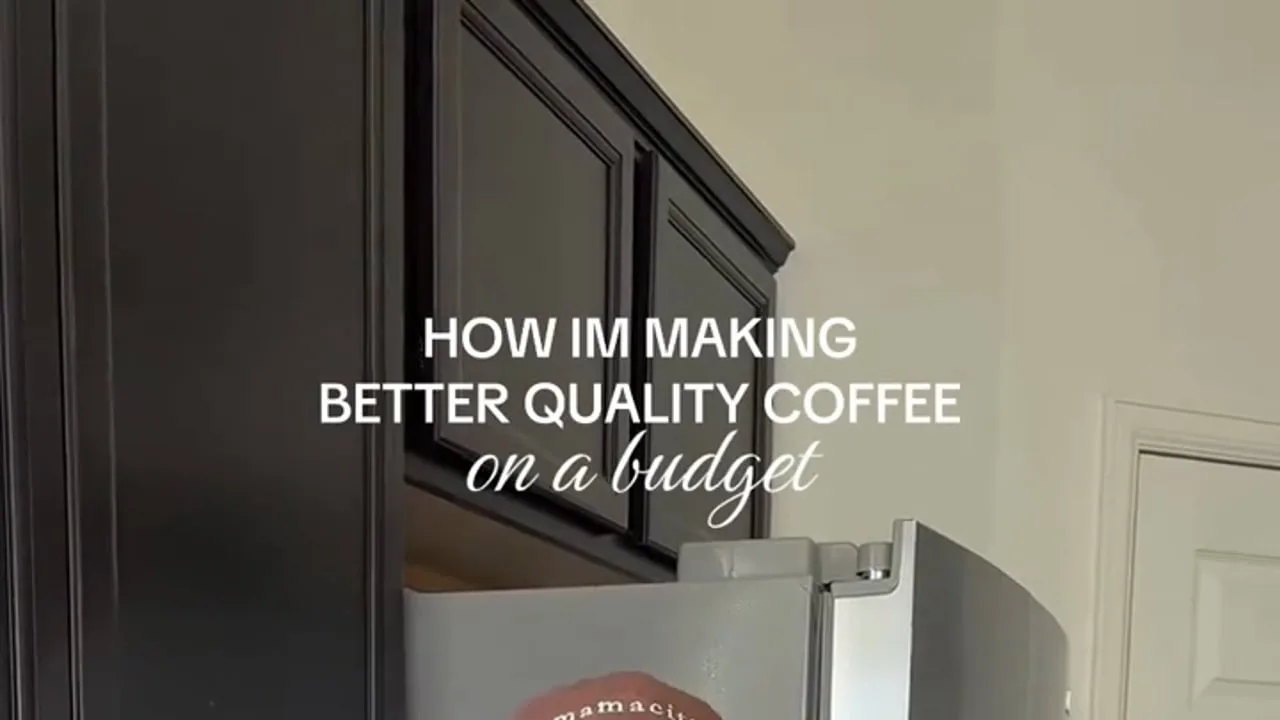
Joybyte built a creator-led growth system that educated consumers before asking them to buy, turning a technical sustainability product into a simple coffee routine that highlighted convenience, cost savings and everyday use.
Joybyte scaled affiliates and influencers together on TikTok Shop while producing owned organic content, with creators making demonstrations, coffee routines, sustainability education and "how it works" videos, and creator performance signals continuously reshaping briefs and messaging.
Joybyte reports 184 Creators, 118 Creator Assets, 23 % Follower Growth and 1.2 M Impressions under Influencer Results, with 768 Affiliates, 870 Affiliate Assets, 3600 Units Sold and 4.2 M Video Views under TikTok Shop Results.
Strategy Breakdown
The primary strategy-learning section — interpretation, not a press-release summary.
Creative & Execution System
Assets & channels
- TikTok
- TikTok Shop
- "how it works" content
- affiliate assets
- creator assets
- owned organic content
- product demonstrations
Partners
- Joybyte (lead_agency)
Creator role
- 184 Creators
- 768 Affiliates
- affiliates and influencers
Results & Evidence
| Metric | Value | Result type |
|---|---|---|
| affiliate assets | 870 Affiliate Assets | performance |
| affiliates | 768 Affiliates | performance |
| creator assets | 118 Creator Assets | content_pieces |
| creators | 184 Creators | creators_count |
| follower growth | 23 % Follower Growth | performance |
| impressions | 1.2 M Impressions | impressions |
| units sold | 3600 Units Sold | conversions |
| video views | 4.2 M Video Views | video_views |
Why Joybyte's strategy worked
- 1
Where a product requires explanation, education can be treated as the paid-media job rather than a preamble to it, because creator demonstrations carry the explanation and the sales surface in the same asset.
- 2
Running affiliates and influencers as one scaled cohort, 768 Affiliates alongside 184 Creators, suggests that volume of repeated exposure did the persuading rather than the reach of any single creator.
- 3
Treating creator performance as a messaging research input, which the page describes as informing briefs as new content enters the market, lets a launch improve its argument while it is still buying attention.
- 4
Anchoring a sustainability claim to convenience and cost savings inside a daily routine reads as a way to remove the hesitation that abstract environmental positioning tends to leave in place.
Results
+700
Claims per day
11%
Sales increase
800%
Claims increase vs traditional insurers
Results
67K
Engagement
3M
Total reach