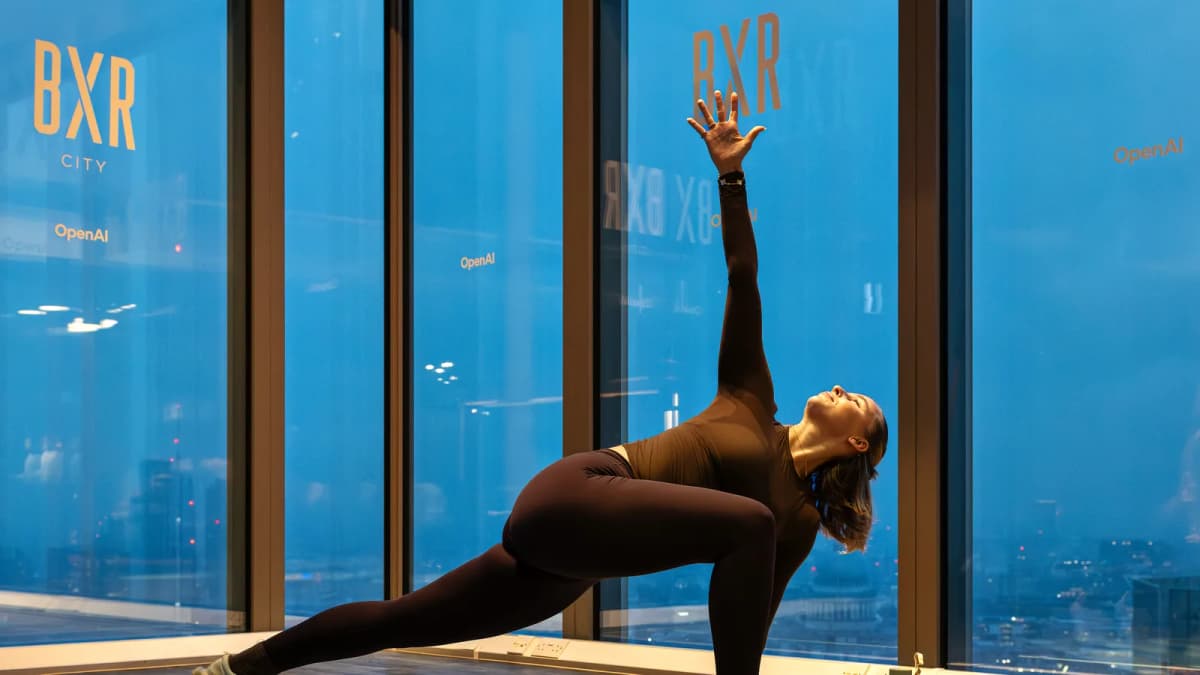

The Open Gym
Influencer MarketingThe Romans built a ChatGPT-powered workout class for OpenAI with creator Chessie King, and reports 1.7M+ combined social content reach from attendee posts and coverage.
Case in 60 seconds
OpenAI ran its first above-the-line campaign, and The Romans was briefed to amplify it by demonstrating fitness, which the agency identifies as one of the most common ways Brits are using ChatGPT.
The campaign appears to turn on the tension the agency's research names between strong winter fitness intent and growing frustration with traditional options, because a curious audience adopts a tool it sees working rather than one explained to it.
The Romans led with an experience-first strategy aimed at a younger, fitness-curious audience, partnering with fitness and lifestyle creator Chessie King to lead a workout class that came to life using ChatGPT.
Chessie King led a workout class built with ChatGPT, and attendees produced first-hand social content showing the tool supporting planning, personalisation, motivation and recovery rather than replacing traditional training. The Romans paired new research on winter fitness intent with commentary from King to carry the story into earned media, and attendees left with The Workout, by ChatGPT, a booklet of go-to prompts.
The Romans reports 27 organic posts from attendees and 1.7M+ combined social content reach, alongside 20 earned media placements and 55+ pieces of media coverage.
Strategy Breakdown
Creative & Execution System
Assets & channels
- Other
Partners
- The Romans
Participation mechanic
- Attendees took part by joining the ChatGPT-led workout class and posting from it, with 27 organic posts reported, and by taking away a booklet of prompts to run the routine themselves.
Creator role
- Chessie King — creator
Results & Evidence
| Metric | Value |
|---|---|
| Combined Social Content Reach | 1.7M+ combined social content reach |
| Pieces of Media Coverage | 55+ pieces of media coverage |
| Earned Media Placements | 20 earned media placements |
| Organic Posts From Attendees | 27 organic posts from attendees |
Why The Romans' strategy worked
- 1
An experience people attend and photograph turns a product demonstration into content the brand does not have to make itself, which is the mechanism behind the 27 organic posts from attendees the agency reports.
- 2
Commissioning research that names a frustration people already feel gives press a reason to cover a brand activation, which appears to be what carried this one to 20 earned media placements rather than a single event write-up.
- 3
A physical takeaway extends an event past its own day because it hands attendees a reason to open the product again, which is the role The Workout, by ChatGPT booklet plays here.
- 4
Positioning a new tool as support for an existing habit rather than a replacement for it lowers the objection a sceptical category raises, which is how the fitness use case was framed across the content.
Results
2,471
Irl sign ins
5,345
Students engaged
47%
Average conversion rate


Results
9M
Engagements
43M
Impressions
68K
Link clicks