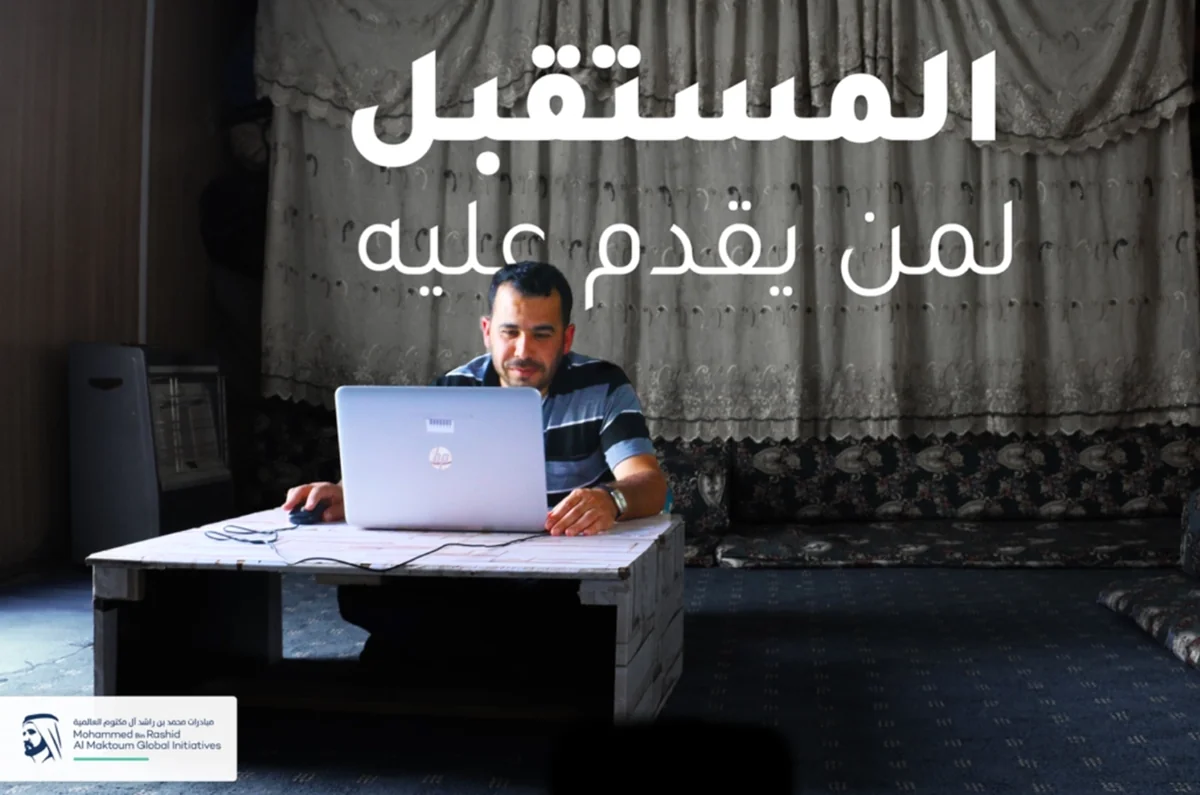
The future is bright: Coding the way for One Million Arab Coders
Influencer MarketingA multi-year creator program for Dubai Future Foundation that Sociata reports drove one million enrollments in free coding courses at 1.07 dollars each.
Case in 60 seconds
One Million Arab Coders had to convert a free coding curriculum into one million enrollments across the Arab world, a target the agency judged unreachable through brand-led paid media alone.
Coding became aspirational in the United States because coders became public figures, so the same aspiration could be built in the Arab world through social media rather than through media portrayals.
Coders are the new rock stars, told by creators the audience already followed rather than by the initiative itself.
More than 150 creators, including cultural figures, entrepreneurs, technology experts and program graduates, publishing from their own accounts, with paid media buying against those posts and remarketing behind them. Fifty five percent of budget went to creators.
Sociata reports one million enrollments, 65 percent directly attributed to creators, at 1.07 dollars per enrollment, with the millionth enrollment reached on 15 March 2021. No independent source confirms these figures.
Strategy Breakdown
Creative & Execution System
Assets & channels
- Creator-led organic content published from creator accounts
- Paid amplification of that creator content
- Remarketing to build enrollment volume over time
Partners
- Sociata
- Udacity, curriculum partner to the initiative
Participation mechanic
- Free enrollment in OMAC coding courses
- Nanodegree scholarships for the top 1,000 students
- Cash prizes of one million dollars for first place and 50,000 dollars for the top five graduates
Creator role
- Cultural figures and entrepreneurial voices building aspiration around coding
- Technology experts providing credibility
- Program graduates acting as proof of the offer
- Creators selected on proprietary engagement quality metrics the agency calls iScore
Results & Evidence
| Metric | Value |
|---|---|
| Enrollments Generated | 1M |
| Enrollments Attributed to Creators | 65% |
| Cost per Enrollment | $1.07 |
| Creators Activated | 150+ |
| Budget Allocated to Creators | 55% |
Why Sociata's strategy worked
- 1
Paying the majority of budget to creators and then buying media against their own posts keeps the source credibility that makes the content work while still buying scale.
- 2
Selecting creators on engagement quality rather than reach is what makes a low single-digit cost per action plausible for a free, low-friction conversion.
- 3
Program graduates are the strongest creators for an education product, because the recommendation and the evidence come from the same person.
- 4
A multi-year run allowed remarketing and compounding awareness to carry enrollment volume that a burst campaign could not.
- 5
The offer did real work: free certification, nanodegree scholarships and cash prizes gave creators something concrete to point at.
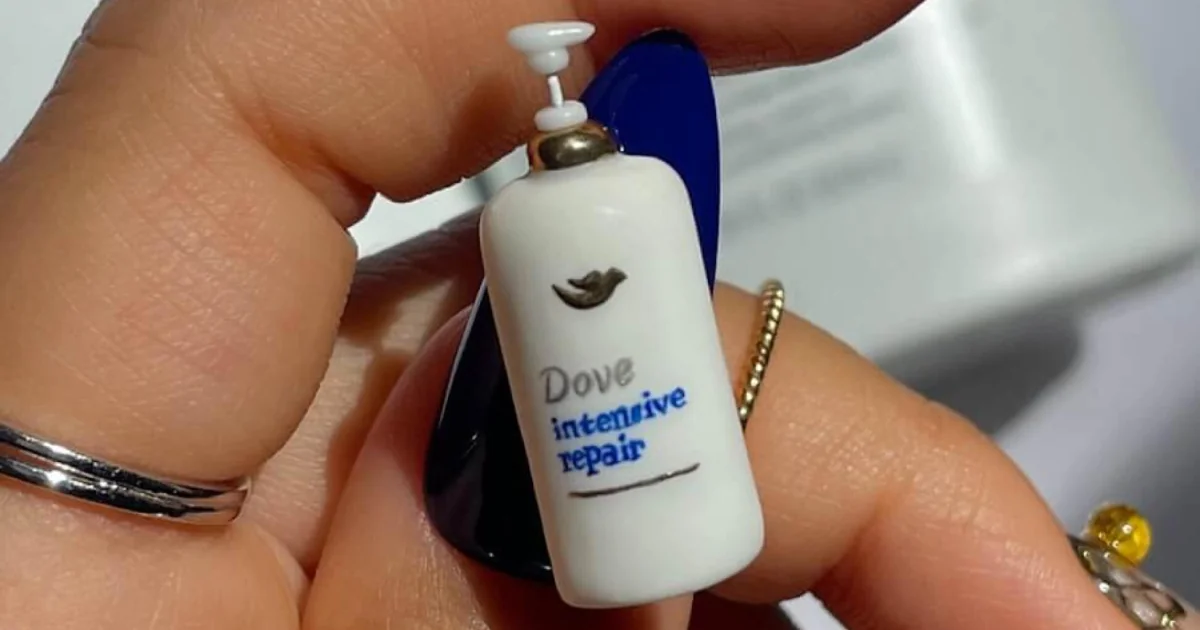

Results
10M+
Views
5M+
Impressions
20K+
New followers
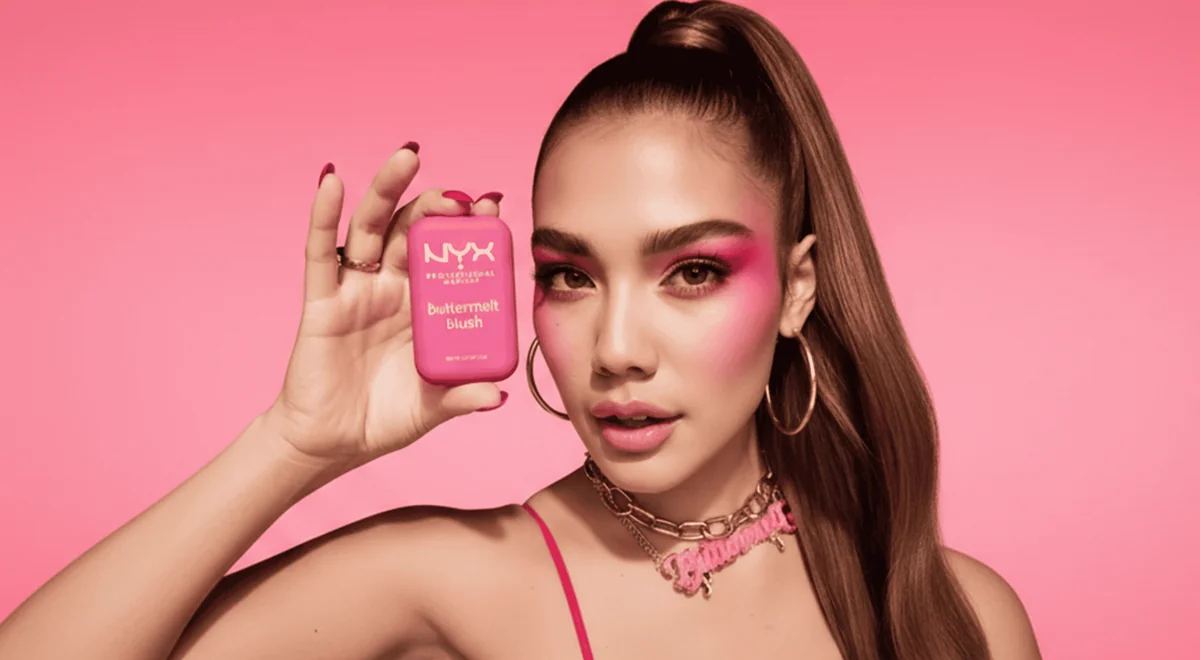
Results
51.7M+
Total views
2.9M+
Interactions
17.7%
Engagement rate