
Case in 60 seconds
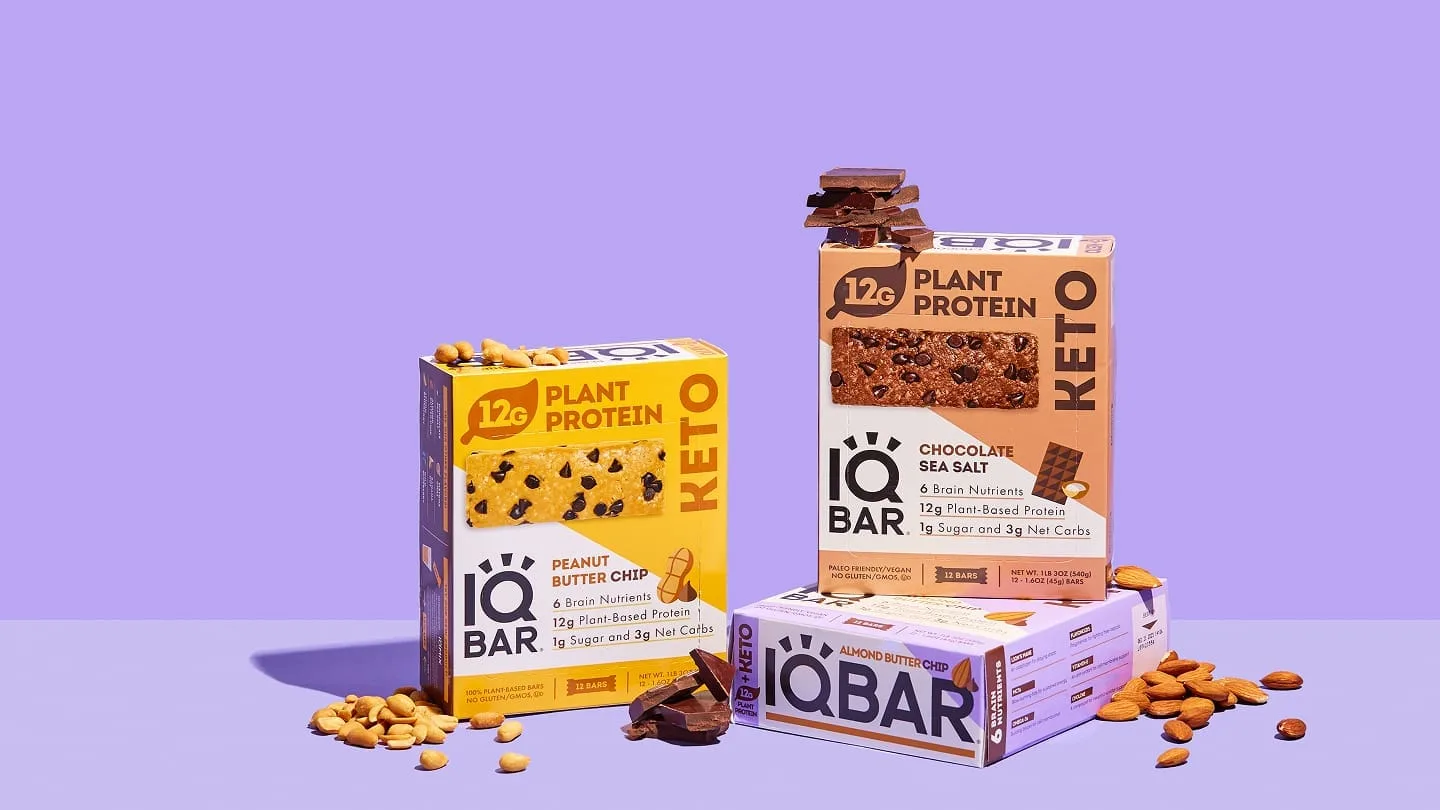
IQBAR was expanding a portfolio of functional nutrition products, and the difficulty was establishing credibility with consumers who came to health, wellness and performance from different starting points rather than simply raising awareness.
The campaign appears to turn on the reading that health-conscious buyers trust demonstration inside a routine, because a bar eaten during a workout or a rushed morning carries evidence a claim cannot.
The organizing thesis was creator-led awareness matched to specific audience segments, so athletes, recipe creators and everyday wellness advocates each carried the product to the audiences that already trusted them.
Joybyte recruited health and wellness creators who used IQBAR products in workouts, recipes, mornings and on-the-go moments, producing hundreds of creator assets that could be repurposed across paid media, organic social, ecommerce and retail marketing.
Joybyte reports that the work drove widespread product discovery, produced a library of licensed creative, and that creator advocacy contributed to increased retail visibility and expanded shelf space for IQBAR.
Strategy Breakdown
The primary strategy-learning section — interpretation, not a press-release summary.
Creative & Execution System
Assets & channels
- creator assets
- licensed creative
- outfit inspiration
- social-first content
- styling videos
Partners
- Joybyte (lead_agency)
Creator role
- 166 Creators
- 166 streetwear influencers
- athletes
- everyday wellness advocates
- fashion and lifestyle creators
- health and wellness creators
- recipe creators
Results & Evidence
| Metric | Value | Result type |
|---|---|---|
| ROI | 9 x | roi |
| assets | 425 | performance |
| creators | 166 | creators_count |
| impressions | 6.1 M | impressions |
| views | 6M views, 425 unique assets, and a 9x ROI delivered by 166 streetwear influencers. | roi |
Why Joybyte's strategy worked
- 1
Matching creators to defined audience segments rather than buying broad influencer reach appears to trade immediate scale for credibility, because a claim about performance nutrition lands differently coming from an athlete than from a generalist.
- 2
Treating creator output as a licensed content library suggests a second return on the same spend, because assets built for discovery keep working in paid media, ecommerce and retail marketing after the activation closes.
- 3
Awareness work reads as a retail argument here, because the page ties creator advocacy to shelf space, which suggests buyer conversations were part of what the content was made to support.
Results
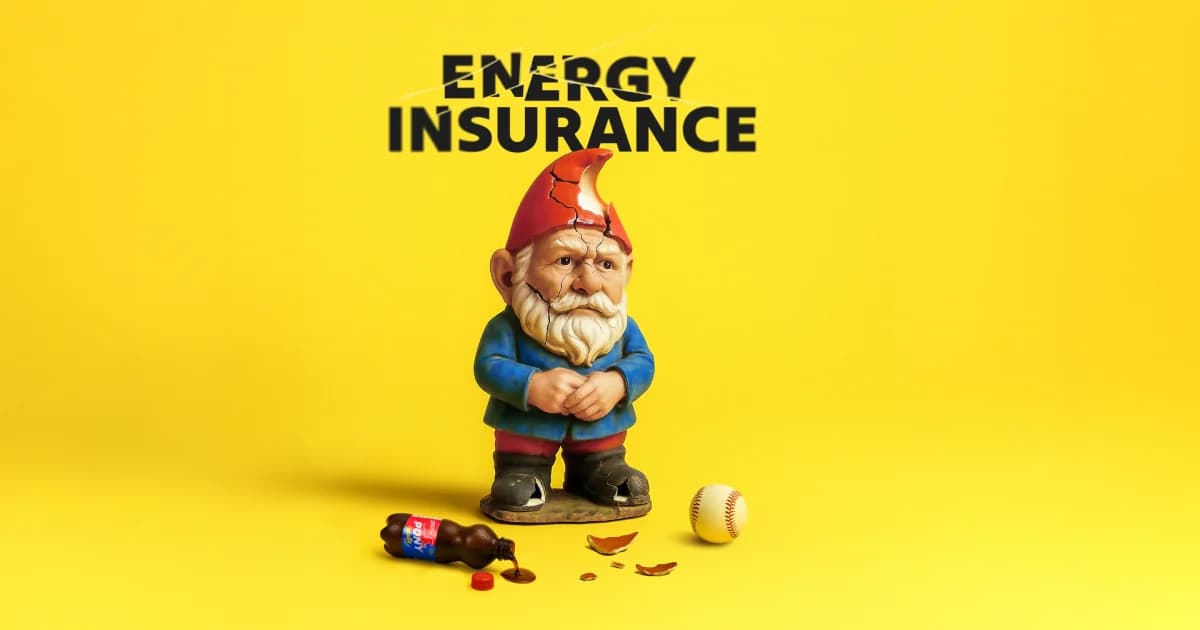
+700
Claims per day
11%
Sales increase
800%
Claims increase vs traditional insurers
Results
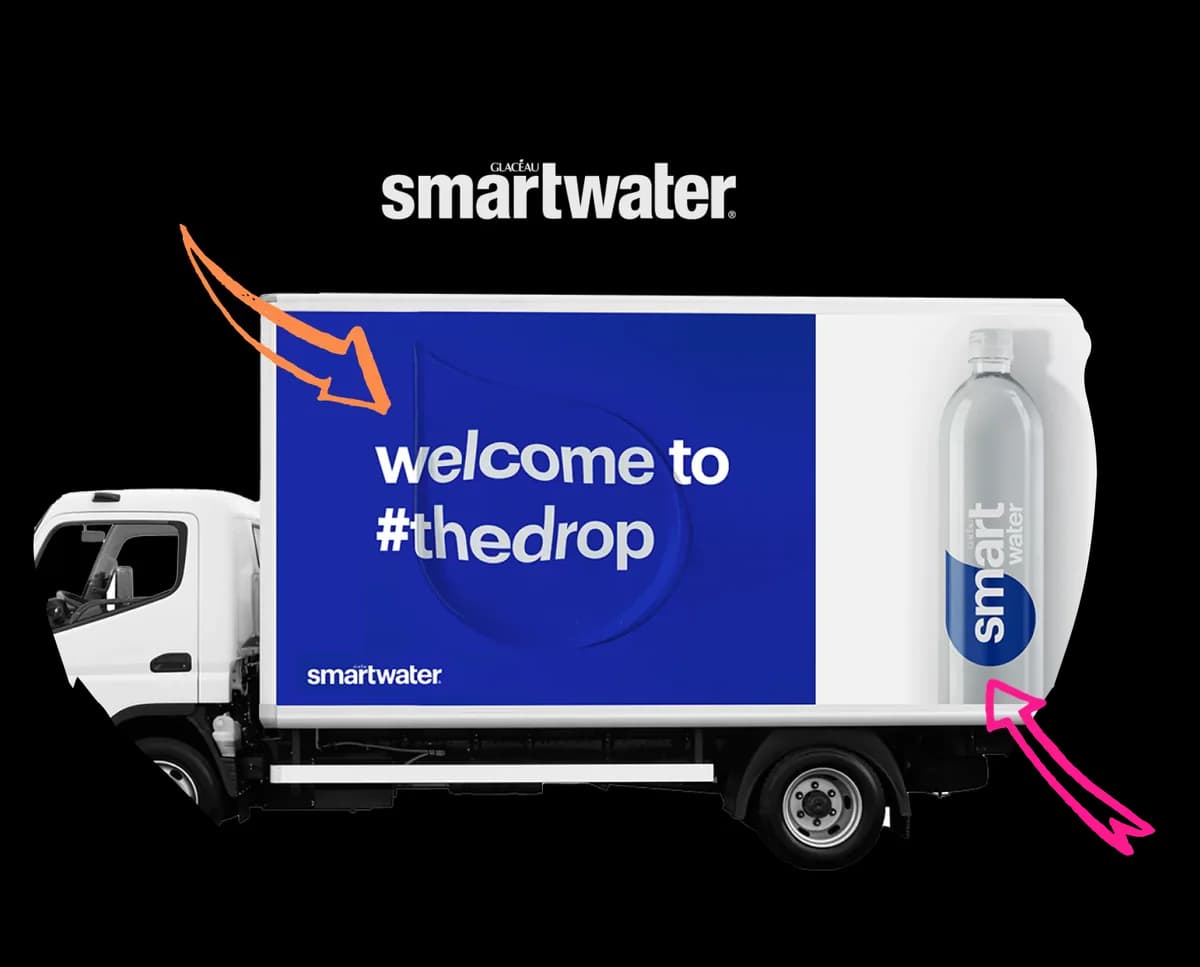
67K
Engagement
3M
Total reach