
The Sounds of Home
Influencer MarketingEdelman helped HSBC reconnect international students with home by crowd-sourcing and recording binaural soundscapes from their home countries, earning 172M media impressions.
About the campaign
HSBC needed to build a stronger emotional connection with international students, proving it understood the personal cost of studying abroad and not just the financial one, a hard claim for a bank to make credibly without a non-financial act. Edelman anchored the campaign in research: the agency reports that 92 percent of international students suffer from homesickness, and that of all the senses, sound is the one they miss most, more than taste, smell or sight.
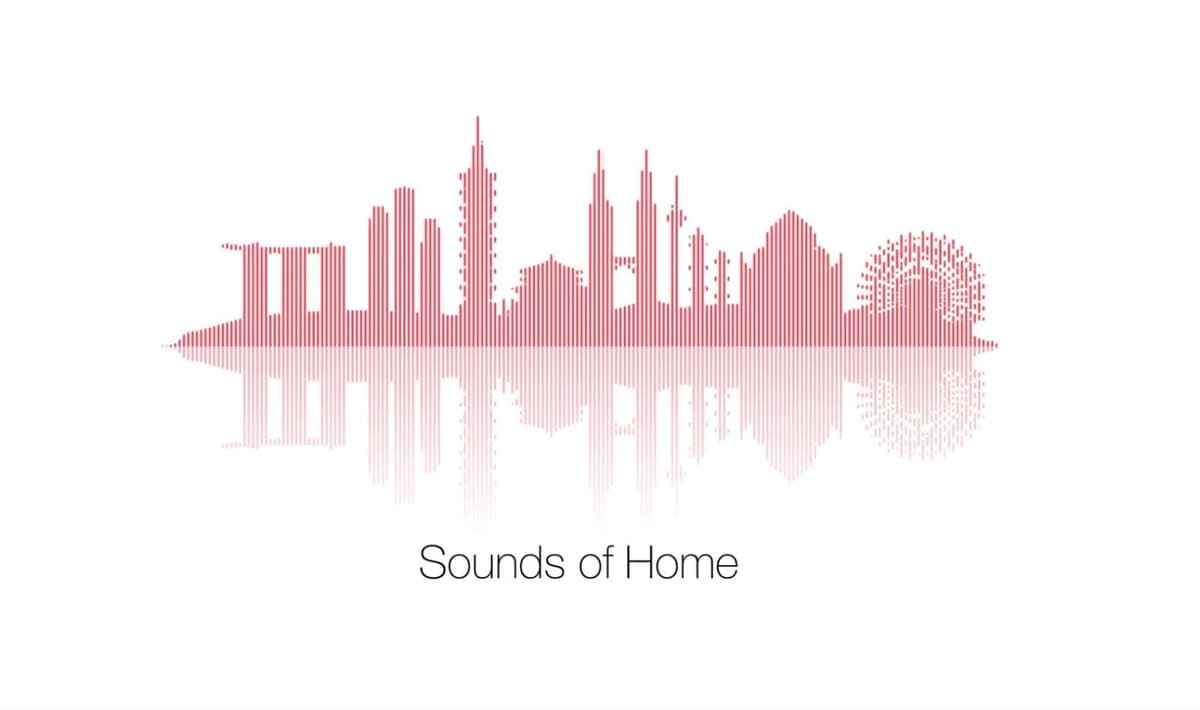
The Sounds of Home turned that finding into a service. Student influencers from Singapore, Taiwan, Malaysia, India, Hong Kong and China, the six biggest outbound student markets, asked their communities which sounds of home they missed most, then went out with microphones to record them in binaural stereo. The recordings became animated soundscapes distributed across digital platforms through September and into early October 2019, timed to when newly arrived students feel homesickness most acutely, with HSBC's Together We Thrive promise framing the brand as enabler rather than narrator.
Edelman reports 172 million earned media impressions, 54 placements in targeted global publications including the Financial Times and Bloomberg, and 86,000 engagements on more than 30 influencer posts. The campaign won the Localization category at the 12th Shorty Awards and a Bronze Honor for Creative Use of Technology.
Case in 60 seconds
HSBC needed to build a stronger emotional connection with the international student market, demonstrating it understood the personal cost of studying abroad, not just the financial one, as briefed to Edelman.
Edelman reports that 92 percent of international students suffer from homesickness, and that of all the senses, sound is the one students miss most — a finding echoed by HSBC's own research, which found nearly three-quarters of international students miss the sounds of home.
Transport students back to the places they love using the power of sound: crowd-source the specific sounds audiences missed, then record them in binaural stereo and deliver them as accessible soundscapes, as described in the Shorty Awards entry.
Student influencers from Singapore, Taiwan, Malaysia, India, Hong Kong and China asked their communities which home sounds they missed most, then went out with microphones to record those sounds in binaural stereo; the recordings were turned into animated soundscapes distributed on digital platforms throughout September and into early October 2019, timed to coincide with new students settling into university life.
Edelman reports 172M earned media impressions, 54 placements in targeted global publications, 86k influencer post engagements and 920k total impressions. The campaign won in the Localization category at the 12th Shorty Awards and received a Bronze Honor for Creative Use of Technology.
Strategy Breakdown
Creative & Execution System
Assets & channels
- Binaural stereo audio recordings of crowd-sourced home-country sounds
- Animated soundscapes (audio combined with visual animation) for digital distribution
- Influencer social posts (Instagram, WeChat) — 30 or more posts across four influencers, per Edelman
- Earned media coverage in outlets including the Financial Times and Bloomberg, per Edelman
Partners
- Edelman (lead agency) — confirmed by LBBonline and Shorty Awards
- Four student influencers (unnamed in source material) from Singapore, Taiwan, Malaysia, India, Hong Kong and China
Participation mechanic
- Influencers asked their communities to identify which sounds from home they most missed
- Influencers then went into their local areas with microphones to record the requested sounds
- Finished soundscapes were made accessible on digital platforms for the broader student audience
Creator role
- Influencers sourced community input (crowd-sourcing the brief)
- Influencers recorded the binaural audio (content production)
- Influencers shared the recording experience with followers (ongoing narrative distribution)
Results & Evidence
| Metric | Value |
|---|---|
| Earned Media Impressions | 172M |
| Placements in Targeted Global Publications | 54 |
| Influencer Post Engagements | 86k |
| Total Impressions | 920k |
Awards & Recognition
| Award show | Year | Category | Result |
|---|---|---|---|
| Shorty Awards | 12th annual (ceremony year not specified in source) | Localization | Winner |
| Shorty Awards | 12th annual (ceremony year not specified in source) | Creative Use of Technology | Bronze Honor |
Why Edelman's strategy worked
- 1
Anchoring on a specific, researchable claim — that sound is the sense students miss most — gave an emotional campaign a concrete creative device rather than a generic nostalgia message, making it easier to brief, execute and evaluate.
- 2
Recruiting influencers who were themselves international students, rather than well-known faces, meant the campaign sourced content and distribution from the same group it aimed to reach, as described in the Shorty Awards entry. This produced audience-authentic content without needing the brand to manufacture it.
- 3
The staged participation structure — ask audiences which sounds they missed, record them, deliver the finished soundscapes — gave influencers a continuous story arc to share rather than a one-off post, extending the campaign's natural lifespan across the activity window.
- 4
Timing activity to September, when new international students are settling into university life, aligned the message with the moment of maximum emotional relevance, as noted in the Shorty Awards entry.
- 5
Using binaural stereo recording gave the campaign a technical differentiator that supported the sensory promise; the format is designed to reproduce spatial sound, making the 'transport you home' claim more credible than a standard audio recording would.
- 6
The campaign enabled HSBC to act as an emotional enabler — funding and facilitating the experience — without requiring the bank to become a media producer itself. The influencers and their communities did the creative work.