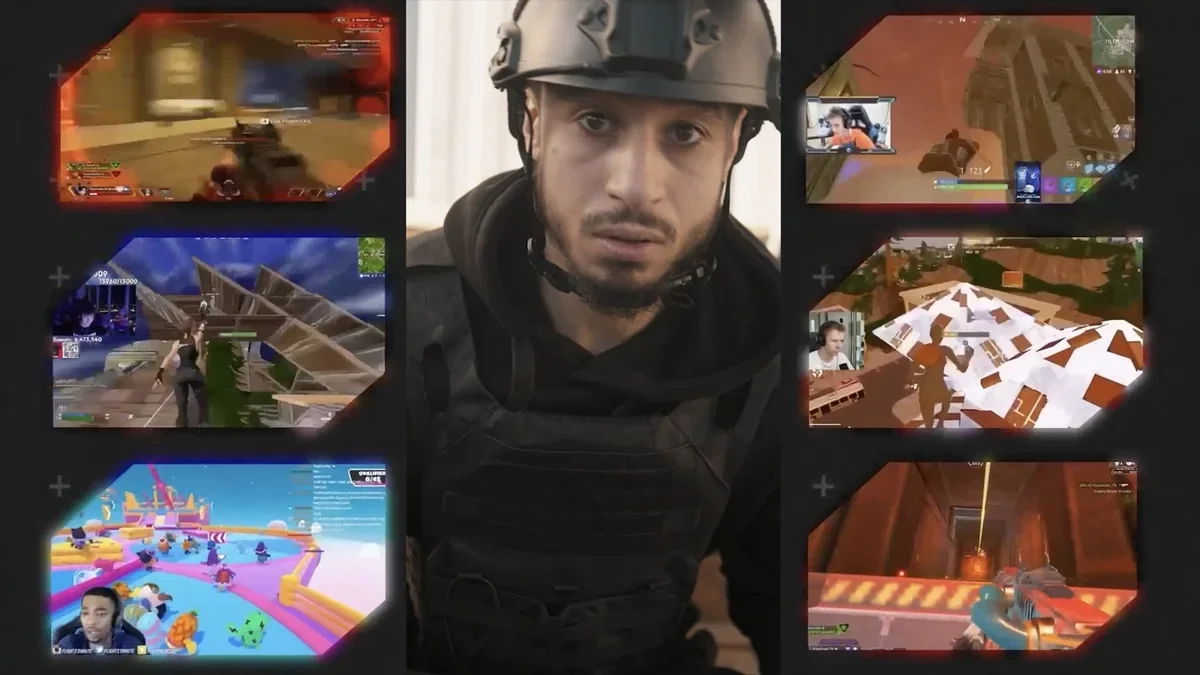

Putting Nostalgia in the Crosshairs (Return To Verdansk)
Influencer MarketingWhalar used comedy and lifestyle TikTok creators to pitch Warzone's Verdansk map as a real-world nostalgia destination, driving 47.1M views and a 10.3% lift in purchase intent across the UK, France, and Germany.
About the campaign
Activision needed to drive mass awareness and app downloads for Call of Duty: Warzone Mobile across the UK, France and Germany in 2024, re-engaging lapsed Battle Royale players and casual mobile gamers at a time when competitors had eroded the franchise's share. Whalar anchored the campaign in nostalgia: Vice's Great Vibe Shift study found six in ten Gen Z and Millennials feel nostalgic for lockdown as a time of gaming, escape and connection, the very period when Warzone became the world's most popular Battle Royale game.
Return To Verdansk framed the iconic Verdansk map not as a game setting but as a real-world nostalgia destination players could revisit, sidestepping gameplay showcase content entirely. Whalar recruited 21 comedy and lifestyle TikTok creators, five in the UK, five in France and eleven in Germany, chosen for tone rather than gaming credentials, including @samcornforth and @Heymoritz, and gave them latitude to pitch Verdansk through VFX videos, vlogs and comedy raps, with TikTok Gesture Ads and Pop-Out Showcases extending reach beyond the creators' combined base of close to 20 million followers.
The agency reports 47.1 million views, 586,000 engagements, a 9.5 percent lift in awareness and a 10.3 percent lift in purchase intent, and the work took a Silver Honor in Data & Insights at the 17th Shorty Awards.
Case in 60 seconds
Activision needed to drive mass awareness and app store downloads for Call of Duty: Warzone Mobile across the UK, France, and Germany, re-engaging lapsed Battle Royale players and casual mobile gamers without defaulting to standard gameplay content.
Vice's Great Vibe Shift study found 6 in 10 Gen Z and Millennials feel nostalgic for lockdown as a time of gaming, escape, and connection — the same period during which Warzone became the world's most popular Battle Royale game.
Return To Verdansk: frame the iconic Verdansk map not as a game setting but as a real-world nostalgia destination people could revisit in 2024, sidestepping gameplay showcase content entirely.
Whalar recruited 21 comedy and lifestyle TikTok creators — 5 in the UK, 5 in France, and 11 in Germany — chosen for tone rather than gaming credentials, and gave them room to pitch Verdansk in their own style via VFX videos, vlogs, and comedy raps. TikTok-native formats including Gesture Ads and Pop-Out Showcases extended reach beyond the creators' combined base of close to 20 million followers.
The campaign reached 47.1M views with 586k engagements, lifted brand awareness by 9.5% and intent to purchase by 10.3%, and earned a Silver Honor in Data & Insights at the Shorty Awards.
Strategy Breakdown
Creative & Execution System
Assets & channels
- TikTok creator videos (VFX-driven content, vlogs, comedy raps)
- TikTok Gesture Ads
- TikTok Pop-Out Showcases
Partners
- Whalar (lead agency and creator management)
- TikTok (platform and ad formats)
Participation mechanic
- Creators given a conceptual brief (Verdansk as real-world destination) and latitude to interpret it in their own style
- Platform-native ad formats layered on top of organic creator posts to extend reach
Creator role
- 21 creators selected for comedy and lifestyle audiences rather than gaming credentials
- Named examples: @samcornforth (UK) and @Heymoritz (Germany)
- Creators held a combined follower base of close to 20 million
Results & Evidence
| Metric | Value |
|---|---|
| Total Views | 47.1M |
| Total Engagements | 586k |
| Brand Awareness Lift | +9.5% |
| Intent to Purchase Lift | +10.3% |
Awards & Recognition
| Award show | Year | Category | Result |
|---|---|---|---|
| Shorty Awards | 2025 | Data & Insights | Silver Honor |
Why Whalar's strategy worked
- 1
Anchoring nostalgia to a specific, shared artifact — the Verdansk map — gave the campaign a concrete emotional hook rather than a generic throwback tone, making the feeling actionable and the product the means of re-accessing it. Whalar's case study and the Shorty Awards entry both identify this specificity as central to the brief.
- 2
Selecting creators for comedic and lifestyle tone rather than gaming credentials allowed the campaign to reach entertainment-first feeds, widening the potential audience beyond the core gaming community that would have been over-served by a standard gameplay showcase approach. Whalar notes that the 21 creators held close to 20 million combined followers, many outside gaming.
- 3
Framing a game map as a 'destination to revisit' gave non-gaming creators a genuinely usable creative brief, enabling diverse content formats — VFX videos, vlogs, comedy raps — that each felt native to the creator's usual output rather than branded interruptions.
- 4
Layering TikTok-native ad formats such as Gesture Ads and Pop-Out Showcases on top of organic creator content extended reach beyond the creators' existing follower base without requiring additional creator volume.
- 5
The reported lifts in both awareness (+9.5%) and purchase intent (+10.3%) suggest the campaign moved audiences along the funnel rather than producing reach-only results, though the measurement methodology is not disclosed.
- 6
Using a data insight — 6 in 10 Gen Z and Millennials feel nostalgic for lockdown, per Vice's Great Vibe Shift study — as the explicit creative starting point was recognised by the Shorty Awards in the Data & Insights category, indicating the jury found the insight-to-idea link coherent.
Results
6.2M
Views
96M
Impressions
+77%
Above internal target

Results
3.5M
Reach
2.4M
Impressions
1.5M
Interactions