
Oatly Taste
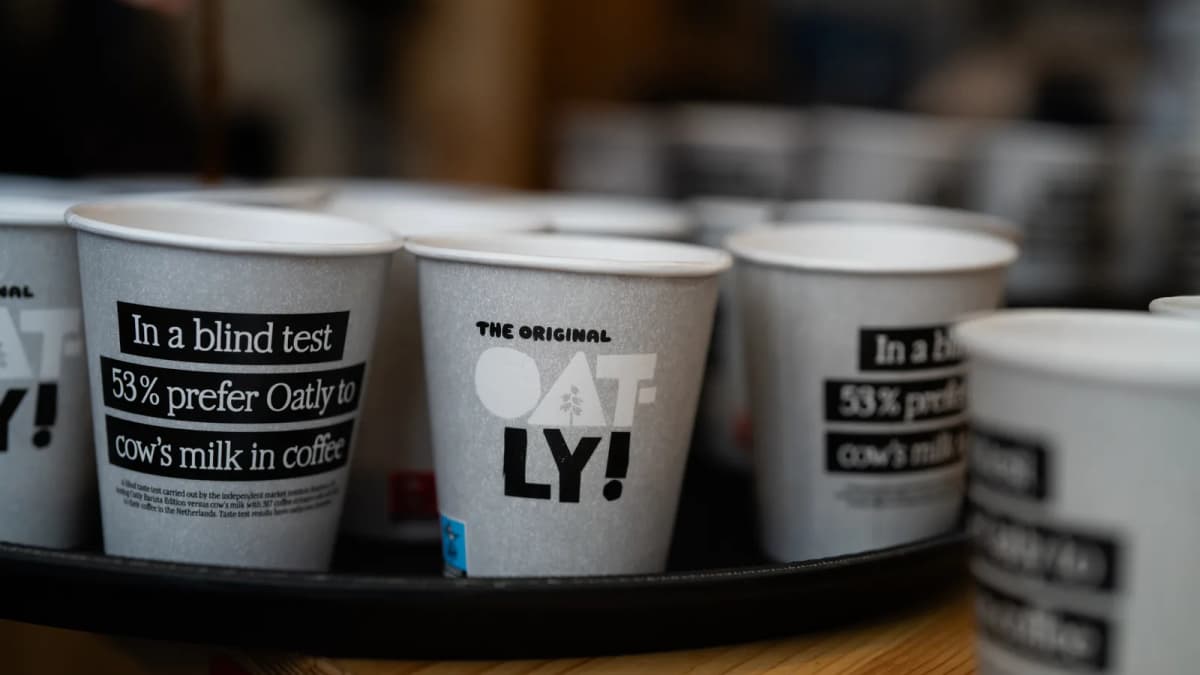
Influencer MarketingThe Romans staged a blind coffee tasting for Oatly with media and influencers at an Amsterdam bakery, with the agency reporting 4M+ media reach.
Case in 60 seconds
The Romans states the brief was to prove that plant based is not only better for the environment, but tastes better, so the work had to win on flavour rather than on environmental credentials.
The campaign appears to turn on the page's own claim that food preferences rest on deeply rooted biases, because a taster who knows which cup holds the oat milk judges the label rather than the drink.
Two coffees served side by side with the difference held back until after the choice was made, so guests committed to a preference on taste before learning that only the milk had changed.
Together with the Amsterdam bakery Scandinavian Embassy, The Romans invited media and influencers to give a twist to their Monday morning coffees, serving two different coffees and asking which one each visitor preferred. Taste guru Chantal van der Leest then guided guests through how food preferences rest on deeply rooted biases, and Oatly introduced its new signature drink, a liquid version of the Swedish pastry Semla.
The Romans reports 30+ visitors at the tasting, 4M+ media reach and 1.2M social media reach through influencers, all of them counted on the agency's own case study page.
Strategy Breakdown
Creative & Execution System
Partners
- The Romans
Participation mechanic
- Visitors were welcomed with two different coffees and asked which one they preferred, without being told that the milk rather than the coffee was the variable, so the choice itself was the demonstration.
Results & Evidence
| Metric | Value |
|---|---|
| Media Reach | 4M+ media reach |
| Social Media Reach Through Influencers | 1.2M social media reach through influencers |
| Visitors | 30+ visitors |
Why The Romans' strategy worked
- 1
A blind comparison turns a product claim into something a guest proves personally, which leaves attending media and influencers with a first hand story to tell rather than a brand assertion to repeat.
- 2
Bringing in a specialist host, here taste guru Chantal van der Leest, supplies the explanation a tasting needs, because the mechanic only lands once someone names the bias it has just exposed.
- 3
Running the test inside an established bakery rather than a branded space lends it a neutral setting, which matters when the claim being tested is that the product wins on taste alone.
- 4
Pairing the reveal with a new product, the liquid Semla drink, gives attendees a second reason to publish, so one invitation carries both a demonstration and a launch.

Results
3M+
Views
43K+
Engagement
34K
Brand social followers

Results
1.7M
Engagements
41.1M
Impressions
145%
Assets delivered