
NVIDIA GeForce RTX 30 Series Back-to-School Campaign
Influencer MarketingNeoReach directed a small group of STEM-aligned creators to Build Something Awesome on TikTok and YouTube, generating 3.3 million reported impressions for NVIDIA's RTX 30 Series Laptop.
About the campaign
Laptop advertising traditionally leads with specifications, but the STEM college students NVIDIA wanted to reach discover products through TikTok feeds where spec-first messaging reads as promotional and inaccessible. With back-to-school buying giving incoming freshmen in technology, engineering and data science fields an active purchase trigger, NeoReach built the campaign around a simple behavioural bet: this audience responds better to seeing technology do something impressive than to reading benchmark numbers.
The creative prompt, Build Something Awesome, asked a small group of creators whose audiences matched the STEM student profile to use the GeForce RTX 30 Series Laptop visibly during real or playful engineering and science projects, keeping their own humour and upbeat tone rather than following a scripted review format. Distribution centred on three TikTok posts plus one dedicated YouTube video, ForrestKnight's "I Built an AI That Shoots Me in the Face When I Get Distracted", with paid amplification applied to select posts to drive link-in-bio clicks.
NeoReach reports 3.3 million impressions, 46,700 engagements, 5,700 link-in-bio clicks and an influencer media value of $266,330, with strongly positive sentiment on the sponsored posts; the figures are agency self-reported without independent verification.
Case in 60 seconds
NVIDIA needed to communicate the real-world performance of the GeForce RTX 30 Series Laptop to STEM-oriented college students in a way that felt authentic on social media rather than specification-led.
Incoming college freshmen in STEM fields have an active hardware purchase reason at back-to-school time, and they respond better to seeing technology do something impressive than to reading benchmark numbers — a behavioural pattern that NeoReach's strategy explicitly targeted.
A Build Something Awesome creative prompt that asked creators to use the laptop visibly during real or playful engineering and science projects, demonstrating processing power in context.
NeoReach selected a small group of creators whose existing audiences matched the STEM student profile, directed them to incorporate humour and an upbeat tone, and distributed content primarily on TikTok with one dedicated YouTube video — including ForrestKnight's piece titled I Built an AI That Shoots Me in the Face When I Get Distracted — supplemented by paid amplification on select posts.
According to NeoReach's self-reported case study, the campaign generated 3.3 million total impressions, 46,700 engagements, 5,700 link-in-bio clicks, and an influencer media value of $266,330. Audience sentiment on sponsored posts was described as strongly positive. No independent verification of these figures has been identified.
Strategy Breakdown
Creative & Execution System
Assets & channels
- Three TikTok posts (primary distribution channel)
- One YouTube sponsored video (longer-form, search-discoverable)
- Paid social amplification applied to select TikTok content
Partners
- NeoReach (influencer campaign management, creator partnerships, paid social — self-reported)
- Creator: ForrestKnight (YouTube, named in NeoReach case study)
Participation mechanic
- Creators given the Build Something Awesome prompt and directed to use the RTX 30 Series Laptop visibly during engineering or science project segments
- Secondary prompt: Benefits of the Laptop, allowing creators to highlight academic and gaming use cases
- Creators retained their own tone and style; sponsorship disclosed on posts
Creator role
- Lead demonstrators: creators built or simulated projects with the laptop in active use, making performance tangible rather than stated
- Content originators: each piece matched the creator's established audience and style rather than following a scripted product-review format
Results & Evidence
| Metric | Value |
|---|---|
| Total Impressions | 3.3 million |
| Total Engagements | 46,700 |
| Link-in-Bio Clicks | 5,700 |
| Influencer Media Value | $266,330 |
Why NeoReach's strategy worked
- 1
A project-based creative prompt — Build Something Awesome — gave creators a concrete task that made laptop performance visible in action. For hardware where computational power is the main selling point, showing the product doing something impressive is more persuasive than stating specifications, as NeoReach's brief framing describes.
- 2
Allowing creators to retain their own tone and style on sponsored posts, rather than following a scripted review format, is credited by NeoReach with sustaining strongly positive audience sentiment even when sponsorship was disclosed.
- 3
Targeting incoming college freshmen in STEM fields at back-to-school time aligned campaign timing with an active purchase trigger, increasing the relevance of an awareness message at the moment of highest consideration.
- 4
A TikTok-primary model with a single complementary YouTube placement extended reach across two distinct audience behaviours — short-form discovery and longer-form search — without requiring a broad multi-platform budget. The NeoReach case study describes this as a deliberate structural choice.
- 5
Creator selection based on audience match (existing STEM student followers) rather than raw follower count increases the probability that impressions reach the intended niche, which matters more for a technically oriented product than sheer scale.
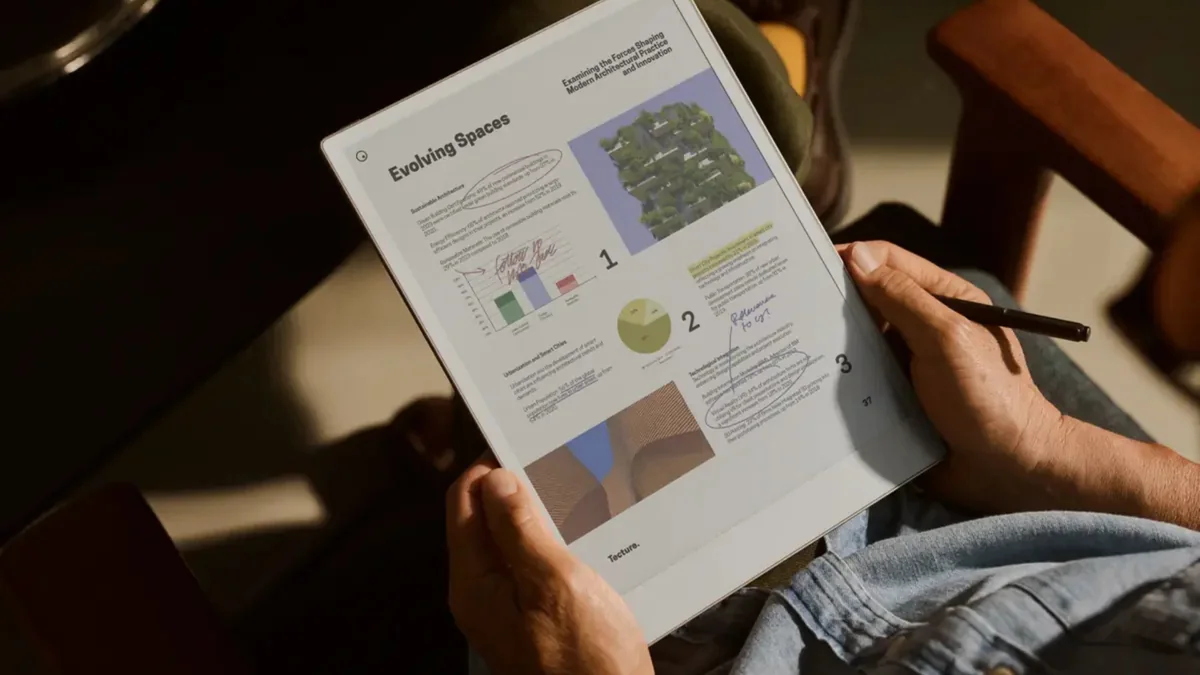
Results
732M
Impressions
2.9M
Interactions
5.5x
Return on investment
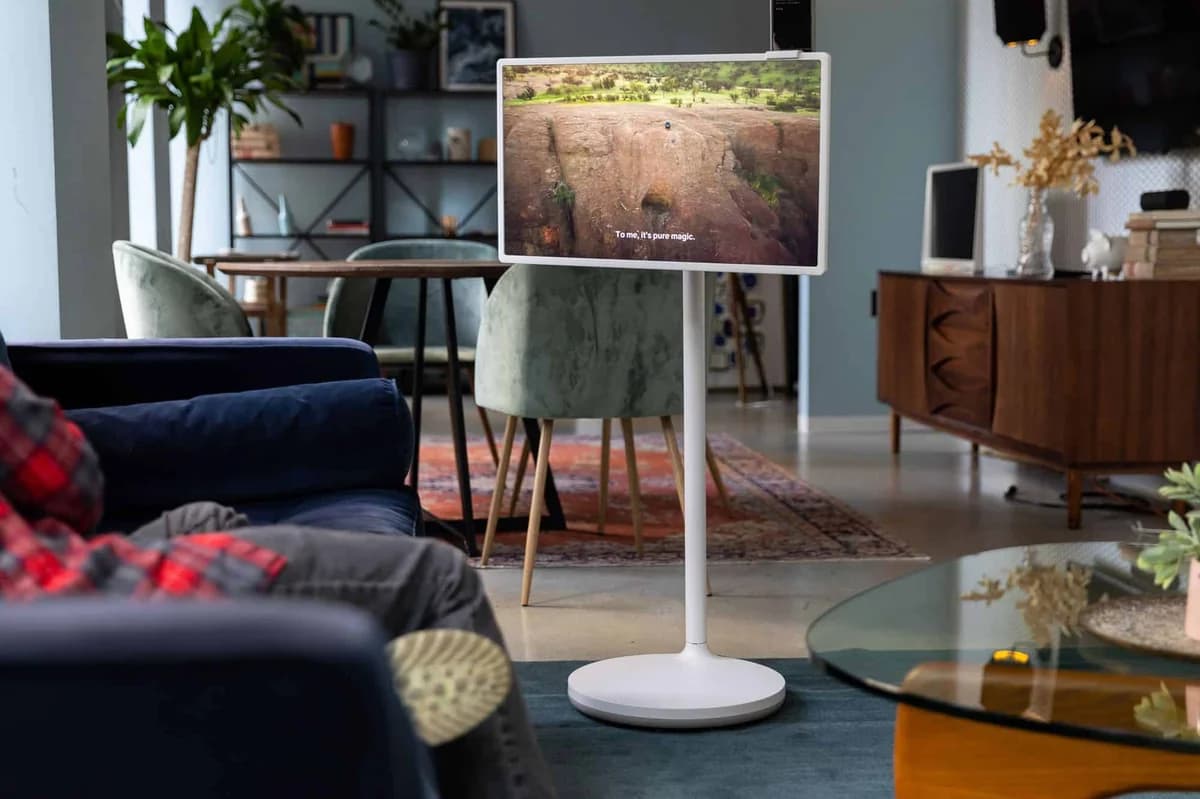
Results
155K
Engagements
26K
Link clicks
80%
Impression rate
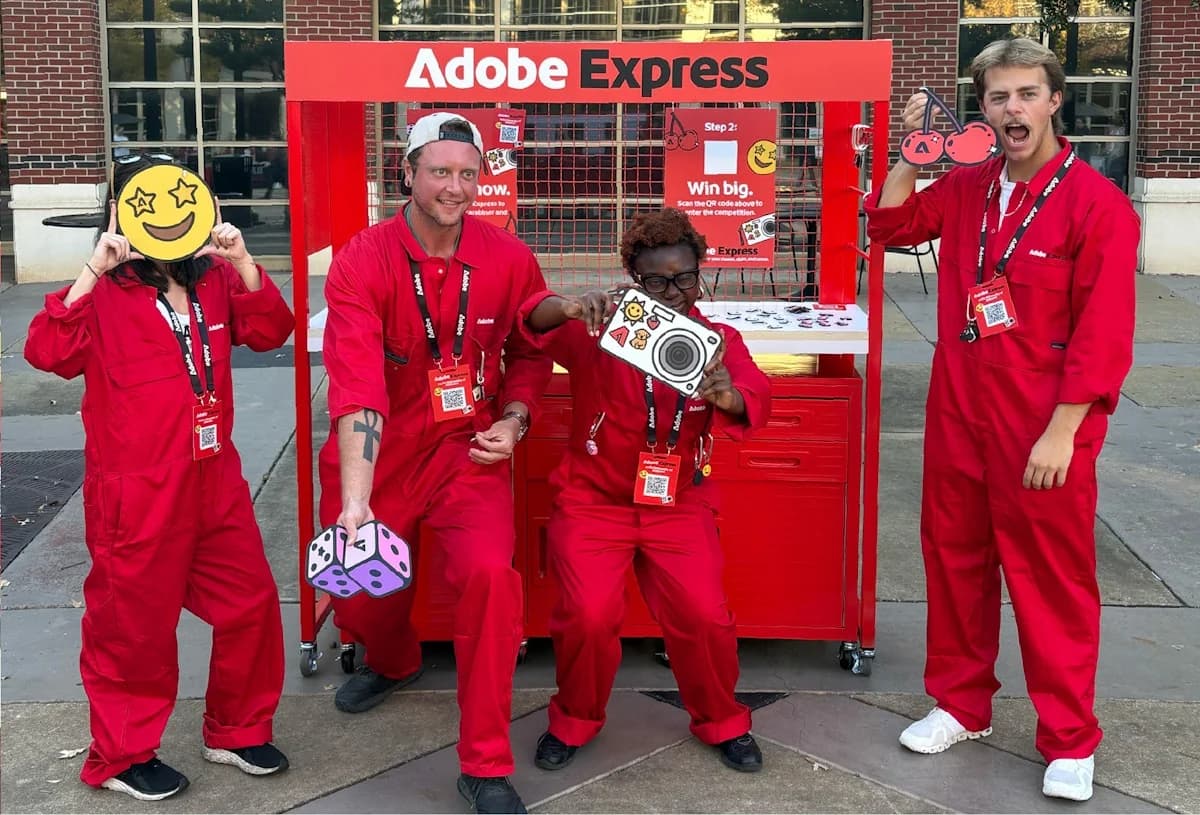
Results
2,471
Irl sign ins
5,345
Students engaged
47%
Average conversion rate