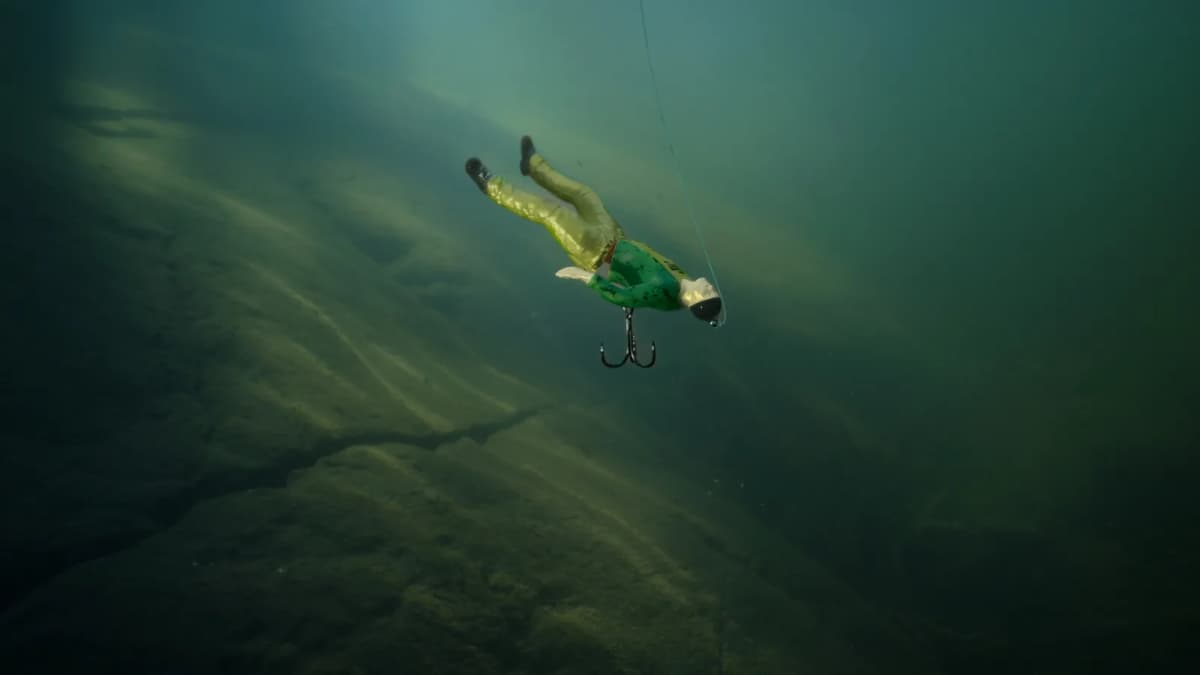

Carlsberg DrunkenBait Fishing Lure
Influencer MarketingBurson seeded a handcrafted fishing lure resembling a drowned drunk person to Swedish anglers and media for Carlsberg, and the agency reports +6% non-alcoholic beer sales.
Case in 60 seconds
Fishing is a popular Swedish pastime, yet drinking while fishing remained culturally accepted as fishing and boating drownings rose, so Carlsberg, as one of Sweden's largest beer distributors, faced a deadly norm its own category fed.
Anglers love unique lures and talk about them, so a working lure could carry a safety message onto the water and into conversation where a familiar drink responsibly advert would be ignored; the page treats the lure as an intervention rather than an ad.
The DrunkenBait was a limited edition, fully functional fishing lure resembling a drowned drunk person, co-created with bait builder Claes "Svartzonker" Claesson, which turned a sobriety warning into an object anglers would fish with rather than an advert they would watch.
Burson seeded handcrafted lures to influential anglers, national journalists and niche fishing media, ran paid influencer collaborations chosen for demographic and content-style diversity, and placed Svartzonker and Swedish Anglers Association spokespeople on national TV, radio and podcasts. Retailers sold the bait without sponsorship for water charities, and when baits sold out the campaign added online charity auctions, competitions, social media films and livestreams.
Burson reports +6% non-alcoholic beer sales, -50% alcohol related accidents, 90M earned impressions and 20M social reach, and says the lures sold out, sparking bidding wars and online forum discussions among anglers.
Strategy Breakdown
Creative & Execution System
Assets & channels
- Other
Partners
- Burson
Participation mechanic
- Anglers bought and fished with the lures, which retailers sold out, and took part in bidding wars, online forum discussions, online charity auctions and competitions as demand rose.
Creator role
- Claes "Svartzonker" Claesson
Results & Evidence
| Metric | Value |
|---|---|
| Non-Alcoholic Beer Sales | +6% |
| Alcohol Related Accidents | -50% |
| Earned Impressions | 90M impressions |
| Social Reach | 20M reach |
Why Burson's strategy worked
- 1
A functional product carries a safety message further than an advert because the audience keeps and uses it, so the DrunkenBait put the warning on the water rather than in a media slot.
- 2
Co-creating with a respected craftsman in the category lends a brand credibility it cannot claim alone, which is why Svartzonker and the Swedish Anglers Association fronted the interviews rather than Carlsberg.
- 3
Casting paid influencers for demographic and content-style diversity rather than one profile let the message travel from technical fishing expertise to lifestyle and emotional storytelling, while earned seeding held the core community.
- 4
Sending unsponsored retail proceeds to water charities kept the scarce lure from looking like merchandise, and turning sell-outs into charity auctions and competitions sustained attention once demand outran supply.
Results
3M+
Views
43K+
Engagement
34K
Brand social followers

Results
1.7M
Engagements
41.1M
Impressions
145%
Assets delivered