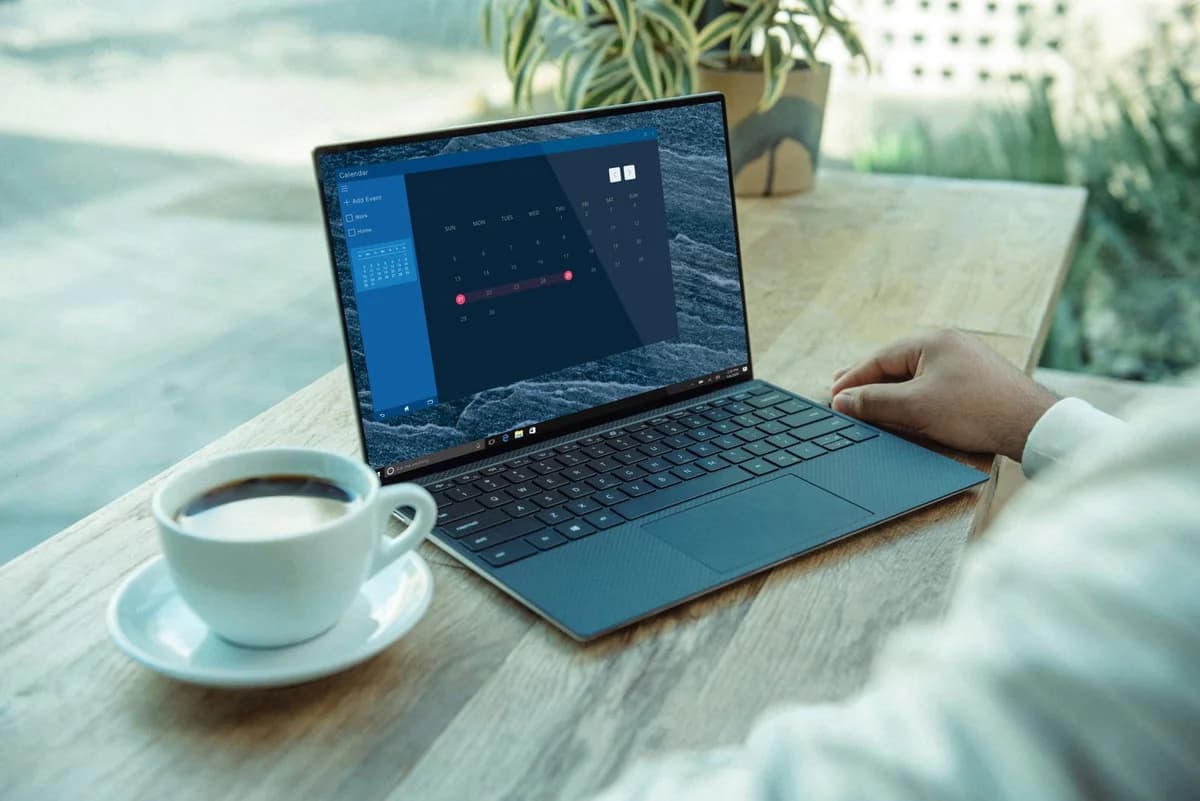

Intel Project Athena: #MoreThan
Influencer MarketingDentsu Creative paired 15 micro-influencers with a 2,500+ buy paid media campaign to build awareness and purchase consideration for Intel's Project Athena laptop certification among 13.6 million Mobile Go-Getters.
About the campaign
Intel faced a structural marketing problem with Project Athena: it is a certification program for OEM laptops rather than a consumer product, and the laptop category defaults to spec comparisons that leave lifestyle-oriented buyers cold. Intel's own research defined the target as the Mobile Go-Getter, an addressable audience of 13.6 million people who live outside conventional boundaries and prefer collected, shareable experiences, and Dentsu Creative's strategy rested on the insight that this group will seek out more information themselves if their curiosity is sparked by relatable, experience-led content rather than brand broadcast.
The agency built a network effect around 15 micro-influencers who created content surfacing the Project Athena experience in lifestyle terms, educating followers on certification features without leading with technical detail, organised under the #MoreThan hashtag on X. A substantial paid layer backed the creator work, with more than 2,500 media buys and 90,000 media placements trafficked across paid and organic social channels.
Dentsu reports the campaign delivered 370 million paid media impressions, 15 percent above goal, along with 14,600 #MoreThan mentions that rose 768 percent in the final two weeks, 90 percent positive sentiment and a measured purchase intent of 3.06 percent. All figures are self-reported by the agency, and no downstream sales data was disclosed.
Case in 60 seconds
Intel needed to build awareness and purchase consideration for its Project Athena laptop certification in a crowded technology category, without relying on spec-driven advertising that would fail to resonate with a lifestyle-oriented target audience.
Intel's defined Mobile Go-Getter audience, estimated at 13.6 million individuals, responds to shareable, experience-led content rather than product specifications, making social-first, creator-led storytelling more appropriate than broadcast advertising.
Dentsu Creative built a network effect using 15 micro-influencers to surface the Project Athena experience through lifestyle-relevant framing, organised under the #MoreThan hashtag on X and amplified by a large paid media buy.
Fifteen micro-influencers created and shared content educating the audience about Project Athena features in lifestyle terms rather than technical detail, supported by more than 2,500 media buys and 90,000 media placements trafficked across paid and organic social channels.
The campaign delivered 370M paid media impressions, 15% above goal, 14.6K #MoreThan mentions with a 768% rise in the final two weeks, 90% positive sentiment, and a measured purchase intent of 3.06%. All figures are self-reported by Dentsu Creative and have not been independently verified.
Strategy Breakdown
Creative & Execution System
Assets & channels
- Organic social content created by 15 micro-influencers
- Paid social media placements (90,000 trafficked)
- #MoreThan hashtag on X (Twitter)
- Broad paid media buy across social channels
Partners
- Dentsu Creative (lead agency, campaign strategy and management)
Participation mechanic
- Micro-influencer content creation and posting under the #MoreThan hashtag
- Audience exposure to paid and organic social content designed to prompt self-directed information seeking about Project Athena
Creator role
- 15 micro-influencers created lifestyle-relevant content surfacing the Project Athena experience and educating followers about certification features without leading with technical specifications
Results & Evidence
| Metric | Value |
|---|---|
| Paid Media Impressions | 370M |
| Impressions vs Goal | 15% above goal |
| #MoreThan Mentions on X | 14.6K |
| Hashtag Mention Increase | 768% |
| Overall Positive Sentiment | 90% |
| Measured Purchase Intent | 3.06% |
Why Dentsu Creative's strategy worked
- 1
Matching message format to audience preference: Dentsu's brief defined Mobile Go-Getters as people who favour shareable, experience-led content. Leading with micro-influencer lifestyle framing rather than specification-led advertising aligned the creative approach with the audience's stated consumption habits, which is consistent with the high positive sentiment figure reported.
- 2
Micro-influencer networks can seed branded hashtags at scale: the 15-creator network generated 14.6K #MoreThan mentions and a 768% spike in the campaign's final two weeks, suggesting that concentrated creator activity can build organic momentum that paid amplification then extends.
- 3
Pairing creator reach with a large paid buy bridges relevance and scale: the 370M impressions figure, 15% above the stated goal, indicates that the organic influencer layer and the paid media buy worked together rather than in competition, with each addressing a different constraint (credibility vs. reach).
- 4
Framing a technical certification through lifestyle benefits rather than features can make an invisible product category legible: Project Athena is a back-end certification, not a consumer-facing product, yet the campaign generated measurable purchase intent (3.06%) by connecting the certification to experiences the audience already valued.
- 5
A defined, research-backed audience segment (13.6 million Mobile Go-Getters) provides a shareable strategic anchor that aligns creative, media, and measurement decisions across a complex campaign.
Results
155K
Engagements
26K
Link clicks
80%
Impression rate
.webp&w=1200&q=75)
Results
9M
Engagements
43M
Impressions
68K
Link clicks